Project Management Skills Development: A Comprehensive Guide
Introduction:
In today’s fast-paced and competitive world, project management skills have become increasingly important. Whether you are a student looking to enhance your skill set or a professional aiming for career growth, developing strong project management skills can significantly boost your chances of success. In this guide, we will explore various aspects of project management skills development and provide valuable insights to help you on your journey.
1. Understanding Project Management:
Before diving into the specifics of skill development, it is crucial to have a clear understanding of what project management entails. Simply put, project management involves planning, organizing, executing, and controlling resources to achieve specific objectives within time and budget constraints. It requires effective communication, leadership abilities, problem-solving techniques, and strategic thinking.
2. Identifying Key Project Management Skills:
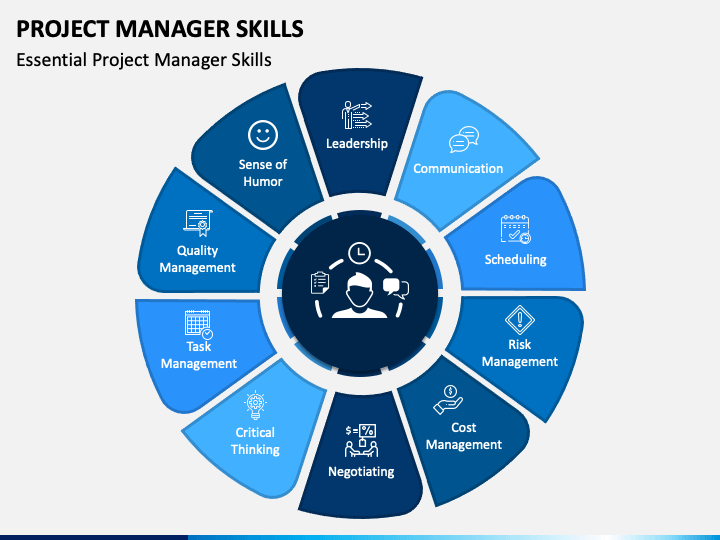
To excel in project management roles, certain key skills need to be cultivated:
a) Communication: This encompasses both verbal and written communication skills. As a project manager, you must effectively convey ideas and information to team members and stakeholders at all levels.
b) Leadership: Strong leadership qualities are essential for guiding teams towards successful outcomes. This includes motivating team members, resolving conflicts effectively, and driving collaboration.
c) Time Management: Efficiently managing time ensures that projects stay on track with deadlines met promptly. Effective prioritization and delegation are critical components of this skillset.
d) Problem Solving: Being able to identify problems early on and implementing appropriate solutions is vital in managing projects successfully.
e) Risk Management: Anticipating potential risks or obstacles allows for proactive planning while minimizing disruptions during the course of a project.
f) Adaptability: The ability to adapt quickly in dynamic environments enables effective decision-making when faced with unexpected challenges or changes in scope.
3. Developing Project Management Skills:
Now that we have identified key skills required for successful project management let’s discuss ways they can be developed:
a) Formal Education: Pursuing a project management degree or certification program from a recognized institution can provide a solid foundation. These programs often cover essential concepts, methodologies, and best practices.
b) On-the-Job Experience: Gaining practical experience in project management is invaluable. Seek opportunities to take on smaller projects or assist experienced project managers within your organization.
c) Professional Development Courses: Numerous online platforms offer specialized courses and workshops focused on enhancing project management skills. These courses often provide hands-on exercises and real-world case studies for practical application.
d) Networking and Collaboration: Engaging with other professionals in the field allows for knowledge sharing, idea generation, and exposure to diverse perspectives. Joining industry-specific groups or attending conferences can help build connections and expand your network.
e) Self-Study: There are numerous books, blogs, podcasts, and webinars available that delve into various aspects of project management. Engage in self-study to supplement formal education and stay updated with emerging trends.
4. Applying Project Management Skills:
Once you have developed strong project management skills, it’s important to apply them effectively:
a) Volunteer for Projects: Look for opportunities within your organization or community where you can showcase your newly acquired skills. Volunteering allows you to gain practical experience while demonstrating your abilities to potential employers or clients.
b) Seek Feedback: Request feedback from mentors or supervisors on your performance as a project manager. This will help identify areas of improvement while reinforcing existing strengths.
c) Continuous Learning: The field of project management is dynamic; hence continuous learning is crucial for staying relevant. Stay up-to-date with emerging technologies, methodologies, tools, and industry standards through ongoing professional development activities.
Conclusion:
Developing strong project management skills requires time, effort, dedication, and continuous learning. By understanding the core aspects of project management and focusing on key skill areas such as communication, leadership, time management,
problem-solving,risk-management,and adaptability, individuals can enhance their abilities to successfully manage projects. By combining formal education, practical experience, professional development courses, networking opportunities, and self-study, one can develop a well-rounded skill set that will open doors to various project management roles across industries. Remember to apply your skills in real-world scenarios and seek feedback for growth and improvement. With these strategies in place, you’ll be well on your way to becoming a proficient project manager.
 Alternative Amie
Leave a comment