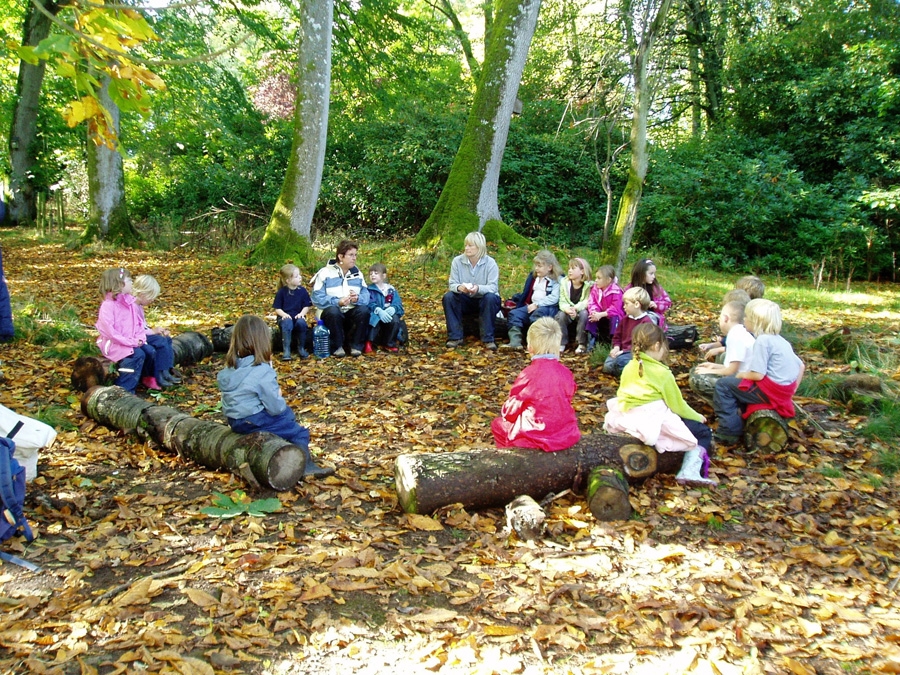
Forest schools, also known as outdoor education programs, have gained significant popularity in recent years. These alternative schooling approaches prioritize outdoor learning experiences and provide numerous benefits for children’s development. By immersing children in nature and allowing them to explore and engage with their surroundings, forest schools offer a unique educational experience that fosters holistic growth.
One of the key advantages of forest schools is the opportunity they provide for hands-on learning. Unlike traditional classrooms where students learn primarily through textbooks and lectures, forest schools encourage active participation. Children are given the freedom to interact with their environment, observe plants and animals up close, touch different textures, and discover natural phenomena firsthand. This experiential learning promotes curiosity, critical thinking skills, problem-solving abilities, and enhances overall cognitive development.
In addition to academic growth, forest schools contribute significantly to a child’s emotional well-being. Spending time outdoors has been proven to reduce stress levels and promote mental health. The calming effect of nature helps alleviate anxiety while providing an outlet for self-expression and creativity among students. Moreover, being surrounded by greenery improves attention span and focus while reducing symptoms associated with attention deficit hyperactivity disorder (ADHD). Forest school settings give children the space they need for free play which fosters social interactions essential for building friendships.
Physical health is another area where forest schools excel compared to traditional classrooms. Outdoor activities such as climbing trees or hiking trails enhance physical strength, balance coordination skills while promoting an active lifestyle from an early age. The abundance of fresh air aids respiratory health while exposure to sunlight ensures adequate vitamin D absorption necessary for bone health.
Forest schools also foster environmental awareness among children by instilling a deep respect for nature from a young age. Through regular contact with the environment, students develop a sense of stewardship towards their surroundings that cultivates eco-friendly attitudes later in life.
Moreover, these outdoor education programs facilitate inclusive learning environments where every child can thrive regardless of their individual strengths or weaknesses. The non-competitive nature of forest schools encourages cooperation, teamwork, and empathy among students. This holistic approach to education ensures that children develop not only academically but also emotionally and socially.
In conclusion, forest schools provide a multitude of benefits for children’s development that are often overlooked in traditional educational settings. By immersing students in nature and allowing them to engage with their surroundings, these alternative schooling approaches promote hands-on learning experiences, emotional well-being, physical health, environmental awareness, and inclusive learning environments. As more parents seek diverse educational options for their children, the popularity of forest schools is likely to continue growing as they offer a unique and enriching educational experience.
 Alternative Amie
Leave a comment