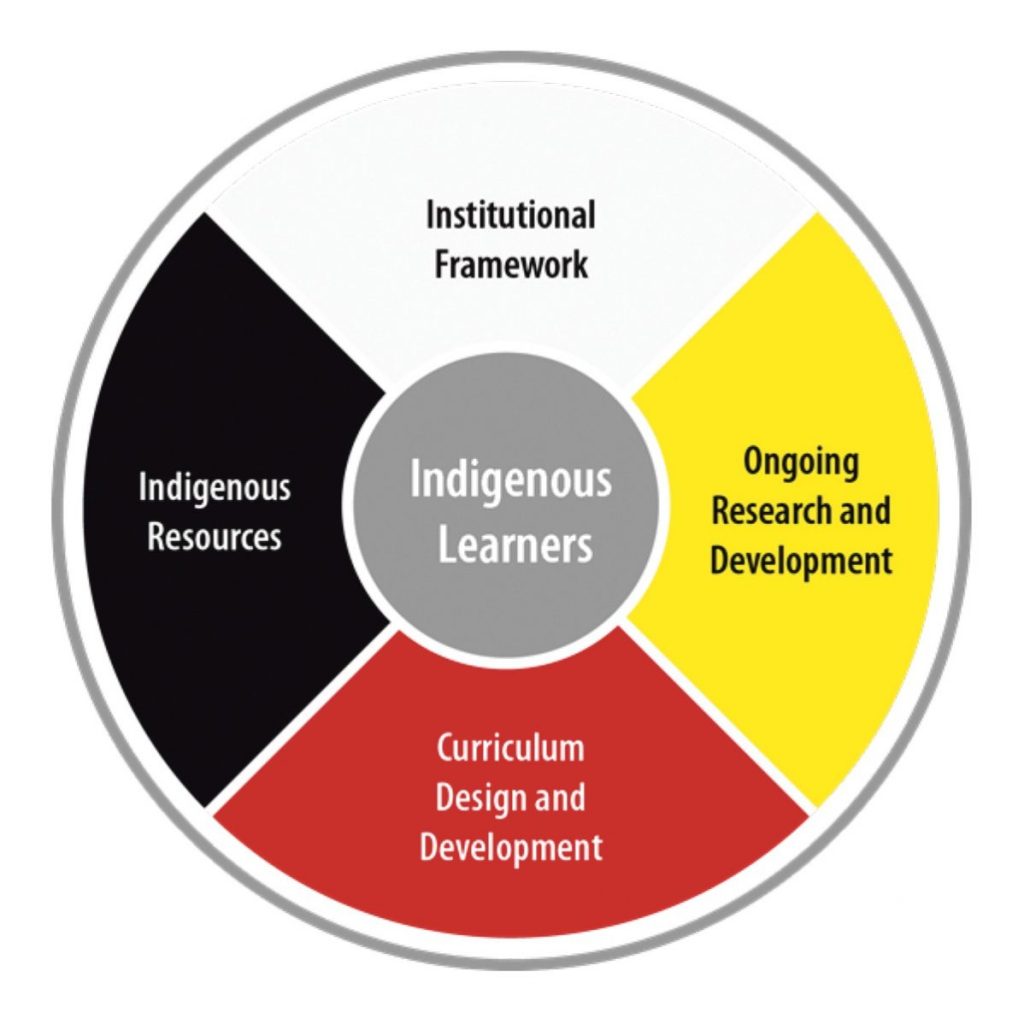
Integrating Indigenous Knowledge into Science Curriculum
Introduction:
In recent years, there has been a growing recognition of the importance of incorporating indigenous knowledge into mainstream education. This is particularly relevant in the field of science education, where traditional Western perspectives have often dominated the curriculum. Integrating indigenous knowledge not only enriches students’ understanding of science but also promotes cultural diversity and respect for different ways of knowing. In this article, we will explore why and how indigenous knowledge can be integrated into science curriculum, and discuss some practical examples.
The Importance of Indigenous Knowledge:
Indigenous cultures around the world have developed rich bodies of knowledge about their environments through centuries of observation and interaction with nature. This traditional ecological knowledge encompasses valuable insights into local ecosystems, sustainable practices, medicinal plants, weather patterns, and more. By integrating indigenous knowledge into science curriculum, we can provide students with a broader understanding of scientific concepts while fostering an appreciation for diverse cultural perspectives.
1. Acknowledging Traditional Ecological Knowledge:
One way to integrate indigenous knowledge is by acknowledging its existence and value within the classroom. Teachers can start by inviting local elders or community members to share their wisdom about the natural world during guest lectures or workshops. Students can learn firsthand from these experts about topics such as plant identification, animal behavior, land management practices, or traditional technologies.
2. Incorporating Indigenous Perspectives in Scientific Inquiry:
Another approach is to incorporate indigenous perspectives into scientific inquiry projects. For example, students could investigate how different communities use local resources sustainably or compare traditional agricultural methods with modern techniques in terms of sustainability and resilience. This not only broadens students’ awareness but also encourages critical thinking as they analyze multiple viewpoints.
3. Connecting Science Concepts with Cultural Contexts:
Teachers can also bridge connections between scientific concepts and cultural contexts by using examples that resonate with indigenous communities’ experiences. For instance, when teaching about biodiversity loss or climate change, teachers could draw on stories from native cultures that highlight the interconnectedness of all living beings and emphasize the importance of environmental stewardship.
4. Collaborating with Indigenous Communities:
To ensure a respectful integration of indigenous knowledge, it is crucial to collaborate with local communities throughout the curriculum development process. This involves seeking input from community members, elders, or cultural experts to co-create learning materials that accurately represent their knowledge systems. By involving indigenous voices in decision-making, we can avoid perpetuating stereotypes or misrepresentations.
5. Promoting Cultural Exchange and Understanding:
Integrating indigenous knowledge into science curriculum also provides an opportunity for cultural exchange and understanding among students from diverse backgrounds. Through collaborative projects or classroom discussions, students can learn about different worldviews, challenge assumptions, and develop respect for other cultures’ ways of knowing.
Case Study: Integrating Traditional Ecological Knowledge in Environmental Science Class
In a high school environmental science class located near an indigenous reservation in North America, the teacher collaborated with local tribal leaders to integrate traditional ecological knowledge into the curriculum. Students learned about biodiversity conservation by studying traditional land management practices used by the tribe for centuries. They explored how controlled burns were used to promote forest health and prevent wildfires while supporting wildlife habitats.
The students also conducted interviews with tribal elders who shared stories about sustainable fishing practices on nearby rivers and lakes. These insights helped students understand not only scientific concepts related to ecosystem dynamics but also culturally appropriate ways of engaging with nature.
Additionally, as part of their final project, students worked closely with members of the tribal community to design a sustainable gardening initiative that incorporated both traditional agricultural techniques and modern permaculture principles. The project allowed them to apply scientific knowledge while respecting local customs and traditions.
Conclusion:
Integrating indigenous knowledge into science curriculum brings multiple benefits – it enriches scientific understanding by providing diverse perspectives; promotes cultural diversity; fosters respect for different ways of knowing; encourages critical thinking; and nurtures empathy towards other cultures. As educators strive for a more inclusive and holistic approach to education, integrating indigenous knowledge becomes an essential component of science curriculum. By doing so, we can create a more equitable and culturally responsive learning environment that prepares students to be global citizens.
 Alternative Amie
Leave a comment