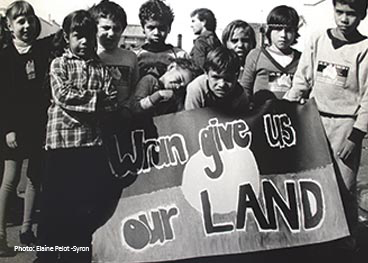
Indigenous land rights have long been a contentious issue, as the struggle for self-determination and preservation of cultural heritage continues worldwide. Recognizing and respecting Indigenous land rights is crucial to fostering social justice and promoting equality. In this article, we will delve into ten key aspects of Indigenous land rights that are essential for understanding their significance in today’s society.
1. Historical Context:
Understanding the historical context surrounding Indigenous land rights is essential. Colonization and forced relocation have greatly impacted Indigenous communities worldwide, leading to years of marginalization and dispossession.
2. Sovereignty:
Indigenous groups often seek recognition of their sovereignty over ancestral lands, asserting their right to govern themselves without interference. This principle acknowledges their unique political systems and cultural practices.
3. Land Stewardship:
Indigenous communities have a deep spiritual connection with the land, seeing themselves as stewards rather than owners. Their traditional ecological knowledge plays a vital role in sustainable resource management practices that benefit all people on Earth.
4. Traditional Territories:
Recognition of traditional territories ensures that Indigenous peoples’ ancestral lands are respected and protected against encroachment or exploitation by others.
5. Free Prior Informed Consent (FPIC):
The principle of FPIC requires obtaining consent from affected Indigenous communities before any development or activity takes place on their lands or territories – be it mining projects, infrastructure developments, or even scientific research initiatives.
6. Cultural Preservation:
Land forms an integral part of Indigenous culture, providing them with identity, language, spirituality, customs, and traditions handed down through generations. Recognition of land rights safeguards these important cultural aspects from erasure or assimilation.
7. Reconciliation:
Acknowledging past injustices committed against Indigenous peoples is the first step towards reconciliation efforts around the world today – including addressing historical grievances related to stolen lands and reparations for losses suffered due to colonization.
8. International Frameworks & Legislation:
International instruments like the United Nations Declaration on the Rights of Indigenous Peoples (UNDRIP) and the International Labor Organization’s Convention No. 169 provide guidelines for states to uphold Indigenous land rights.
9. Land Restitution:
Land restitution involves returning lands that were taken from Indigenous communities, often through violent means. This process aims to rectify historical injustices by restoring their connection to ancestral territories.
10. Collaborative Partnerships:
Developing collaborative partnerships between governments, non-governmental organizations, and Indigenous communities paves the way for meaningful dialogue and shared decision-making processes regarding land use and resource management.
Ensuring the recognition of Indigenous land rights is a crucial step towards promoting social justice, fostering cultural preservation, and achieving reconciliation. By educating ourselves about these issues and advocating for change, we can contribute to a more equitable society where all people have equal access to their rights and cultural heritage – including the right of Indigenous peoples to control their lands and territories.
 Alternative Amie
Leave a comment