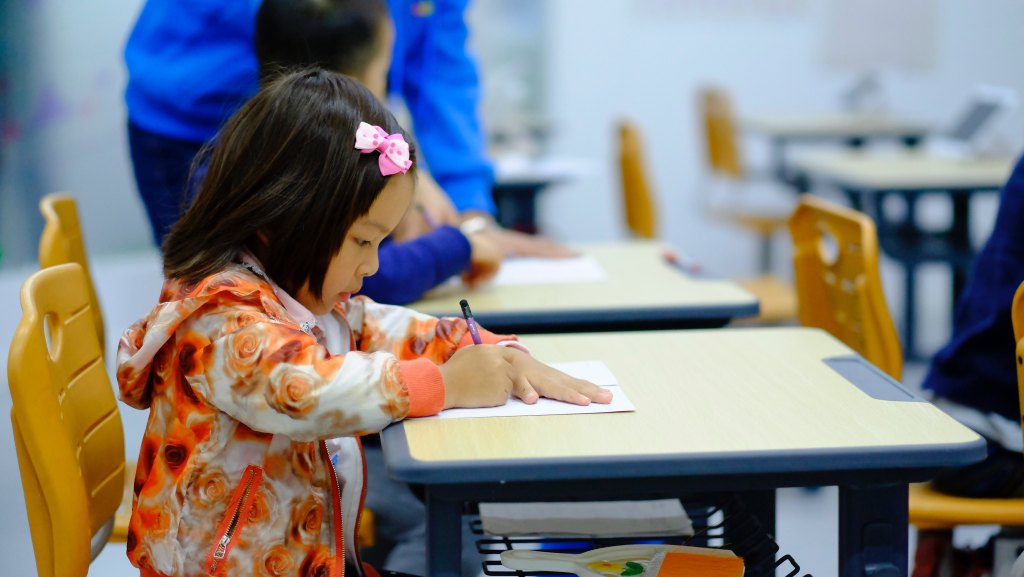
Twice-exceptional students, often referred to as 2e students, are a unique group of individuals who possess both exceptional abilities and learning disabilities. These students may excel in specific areas such as academics, arts, or athletics while simultaneously struggling with certain aspects of their education. As a writer and journalist specializing in alternative schooling and education, I have had the privilege of meeting several twice-exceptional students throughout my career. In this memoir-style post, I would like to share some insights into the experiences of these remarkable individuals.
When I first encountered twice-exceptional students, I was struck by their immense potential that seemed to be hidden beneath layers of challenges. It became evident that they faced a struggle not only in navigating traditional educational systems but also in finding an environment that catered to their unique needs. These students were often misunderstood and overlooked due to the paradoxical nature of their abilities and disabilities.
One particular student named Emma stands out in my memory. She possessed an incredible gift for mathematics; her ability to solve complex equations at lightning speed was truly awe-inspiring. However, she struggled with reading comprehension and written expression skills. Emma’s teachers initially classified her solely based on her weaknesses rather than recognizing her exceptional mathematical talent.
It was during my conversation with Emma’s parents that I learned about the concept of twice-exceptionality. They explained how difficult it had been for Emma to find adequate support within the traditional school system because her strengths masked her weaknesses. They decided to enroll her in an alternative school specifically designed for twice-exceptional learners.
This alternative school provided a nurturing environment where Emma’s talents could flourish while addressing her learning difficulties through tailored interventions. The curriculum embraced flexibility, allowing Emma and other 2e students to explore topics deeply or accelerate their learning when necessary.
Another student I encountered on this journey was Daniel—an exceptionally gifted artist who struggled with ADHD (Attention Deficit Hyperactivity Disorder). Despite his artistic brilliance, Daniel found it challenging to concentrate for extended periods and often faced difficulties in completing assignments. Traditional schools failed to recognize his artistic talents as they were overshadowed by his behavioral struggles.
However, at an alternative school focused on nurturing the creative abilities of twice-exceptional students like Daniel, he found a supportive community that celebrated his unique gifts. The school provided him with strategies to manage his ADHD symptoms and allowed him to express himself through various art forms. Witnessing Daniel’s transformation from a frustrated student to a confident artist was truly inspiring.
These stories highlight the importance of recognizing and supporting twice-exceptional students within our education system. It is crucial for educators and parents alike to understand that these individuals require tailored approaches that acknowledge both their strengths and weaknesses.
Alternative schooling options specifically designed for 2e students can play a vital role in meeting their needs effectively. These schools often employ specialized teachers who are well-equipped to address the diverse challenges faced by this exceptional group of learners. By creating personalized learning plans, implementing individualized interventions, and fostering a supportive community, these schools empower twice-exceptional students to thrive academically, socially, and emotionally.
Moreover, it is essential for educators to cultivate inclusive classrooms where all types of learners feel welcomed and supported. By adopting flexible teaching methods that accommodate different learning styles and providing appropriate accommodations such as extra time or assistive technology tools when needed, teachers can help unlock the full potential of their 2e students.
Parents also play a critical role in advocating for their twice-exceptional children’s needs within educational settings. Building strong partnerships with teachers and administrators ensures that their child’s unique strengths are recognized while necessary support strategies are put into place.
In conclusion, understanding the experiences of twice-exceptional students sheds light on the need for alternative schooling options tailored specifically towards meeting their diverse needs. These remarkable individuals possess incredible talents alongside specific challenges that traditional educational systems struggle to address adequately. By embracing their strengths, accommodating their weaknesses, and creating inclusive learning environments, we can empower twice-exceptional students to reach their full potential and make significant contributions to society.
 Alternative Amie
Leave a comment