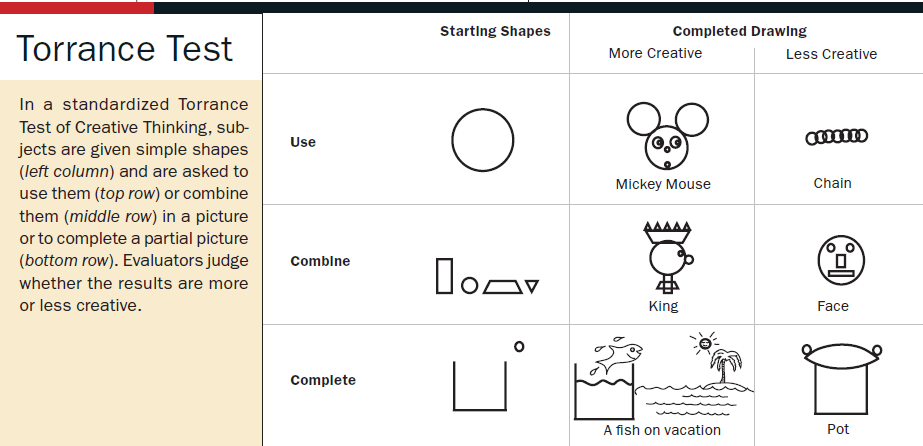
Assessing Creativity and Critical Thinking Skills in Alternative Schooling
In the realm of alternative schooling, traditional assessment methods may not effectively capture the unique skills and abilities that students develop through creative and critical thinking. As such, it is crucial to explore alternative methods for assessing these important aptitudes within non-traditional educational settings.
Creativity and critical thinking are essential skills that enable individuals to analyze complex problems, generate innovative ideas, and make informed decisions. In traditional education systems, these skills are often overlooked or undervalued in favor of standardized testing or rote memorization. However, alternative schools prioritize holistic development and recognize the significance of creativity and critical thinking in preparing students for a rapidly changing world.
One effective way to assess creativity is through open-ended assignments or projects that allow students to showcase their imagination, originality, and ability to think outside the box. For example, instead of giving a multiple-choice test on a specific topic in literature class, an alternative school might ask students to create their own short stories or poems inspired by a particular theme. This type of assessment encourages divergent thinking while also evaluating students’ understanding of literary concepts.
Similarly, critical thinking can be assessed by presenting students with real-world scenarios or complex issues that require them to analyze information from various sources critically. Instead of providing predetermined answers, instructors can encourage students to develop evidence-based arguments or propose solutions based on sound reasoning. This approach fosters independent thought while also gauging students’ ability to evaluate information objectively.
In addition to open-ended assignments and scenario-based assessments, portfolios offer another valuable tool for assessing creativity and critical thinking skills in alternative schooling environments. Portfolios allow students to compile samples of their work over time across different subjects or disciplines. They can include essays demonstrating analytical reasoning abilities, artwork showcasing innovative ideas or problem-solving strategies applied during group projects.
Peer assessment is another strategy employed within alternative education models as it allows for collaborative learning experiences and the evaluation of creativity and critical thinking in a social context. Students can provide feedback to their peers on projects or presentations, reflecting on each other’s ideas, approaches, and problem-solving methods. This process not only enhances students’ ability to evaluate others’ work but also fosters self-reflection as they consider how their own contributions compare.
It is important to acknowledge that assessing creativity and critical thinking skills in alternative schooling comes with its challenges. Unlike standardized assessments with clear-cut answers, evaluating these complex abilities requires a more nuanced approach. Rubrics and criteria-referenced assessments can be helpful tools for providing consistent evaluation criteria while still allowing for individuality and diverse perspectives.
Furthermore, it is essential to address equity issues related to assessment-based grading practices within alternative education systems. Culturally responsive assessment strategies should be employed to ensure fair evaluation of diverse learners from different backgrounds. Teachers must consider multiple ways of demonstrating creativity and critical thinking that may align with students’ unique experiences or cultural contexts.
In conclusion, assessing creativity and critical thinking skills in alternative schooling requires a departure from traditional assessment methods while embracing innovative approaches such as open-ended assignments, portfolios, peer assessment, and culturally responsive evaluations. By adopting these methods, alternative schools can better capture the holistic growth of students while preparing them for success in an ever-evolving world that values innovation and critical thought.
 Alternative Amie
Leave a comment