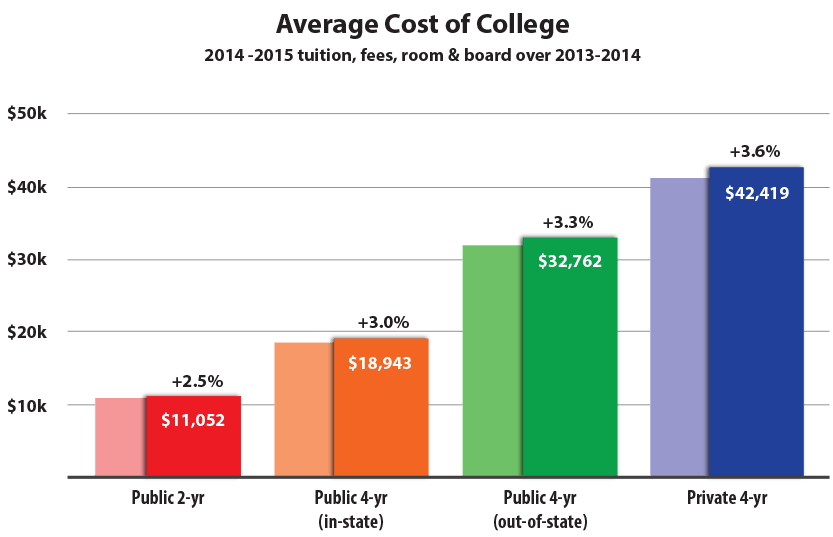
In recent years, the issue of tuition fees has become a topic of heated debate and controversy. With the rising cost of education, many students and their families are struggling to afford higher education. While some argue that tuition fees are necessary to maintain quality education, others believe that these fees create barriers and limit access for those from lower socioeconomic backgrounds. In this article, we will explore both sides of the argument surrounding tuition fees and discuss potential alternatives to this system.
On one hand, proponents of tuition fees argue that they are essential for funding educational institutions and ensuring high-quality education. Universities rely on these fees to cover operational costs such as faculty salaries, infrastructure maintenance, research facilities, and academic resources. Without adequate funding through tuition fees, universities may struggle to attract talented professors or offer state-of-the-art facilities.
Furthermore, supporters claim that paying for education instills a sense of responsibility in students. By investing in their own education through financial contributions, students are more likely to take their studies seriously and make the most out of their time at university. This perspective maintains that without a financial commitment from students themselves, there may be a lack of motivation or dedication towards academic pursuits.
However, opponents argue that tuition fees hinder social mobility by creating economic barriers to higher education. The ever-increasing cost can dissuade prospective students from pursuing an advanced degree or attending university altogether. This disproportionately affects individuals from low-income backgrounds who already face systemic disadvantages when it comes to accessing quality education.
Moreover, an overemphasis on finances can lead students into making decisions based solely on earning potential rather than personal passions or interests. When faced with mounting debt upon graduation, individuals may feel pressured to choose career paths solely based on monetary gains rather than pursuing fields they are truly passionate about.
The burden of student loan debt is another significant concern associated with high tuition fees. Many graduates find themselves saddled with substantial amounts of debt before even entering the workforce fully. This can limit their financial freedom, delaying important life milestones such as homeownership or starting a family. Additionally, the stress caused by debt can have negative effects on mental health and overall well-being.
In exploring alternatives to the current tuition fee system, some countries have implemented free education models. These countries argue that investing in education benefits society as a whole and should not be limited to those who can afford it. For instance, Germany offers free higher education for both domestic and international students at public universities.
Another alternative is income-contingent loans, which tie loan repayments to an individual’s income level after graduation. This approach ensures that graduates only begin repaying their loans when they are financially capable of doing so. Australia has successfully implemented this model with its Higher Education Loan Program (HELP).
Scholarships and grants also play a crucial role in making education more accessible. By providing financial assistance based on merit or need, scholarships help alleviate the burden of tuition fees for deserving individuals who may otherwise struggle to fund their studies.
Additionally, online learning platforms have emerged as an affordable alternative to traditional brick-and-mortar institutions. These platforms offer flexible learning options at reduced costs compared to physical campuses. While there are still debates about the quality and credibility of online degrees, they provide an avenue for individuals who may not have access to traditional educational opportunities due to location or financial constraints.
It is important to acknowledge that finding a suitable solution regarding tuition fees is complex and multifaceted. Balancing the financial needs of educational institutions while ensuring equal access for all students requires careful consideration and collaboration between stakeholders including governments, universities, students themselves, and funding bodies.
In conclusion, tuition fees continue to be a contentious issue in modern society with arguments made from both sides of the debate. While proponents argue that such fees are necessary for maintaining high-quality education and student commitment towards academics; opponents believe these fees create barriers limiting access particularly among disadvantaged communities while burdening graduates with overwhelming debt. Exploring alternatives such as free education models, income-contingent loans, scholarships, and online learning platforms offers potential solutions to make education more accessible. Ultimately, finding the right balance between funding educational institutions and ensuring equal opportunity for all remains a challenge that needs to be addressed collectively by society.
 Alternative Amie
Leave a comment