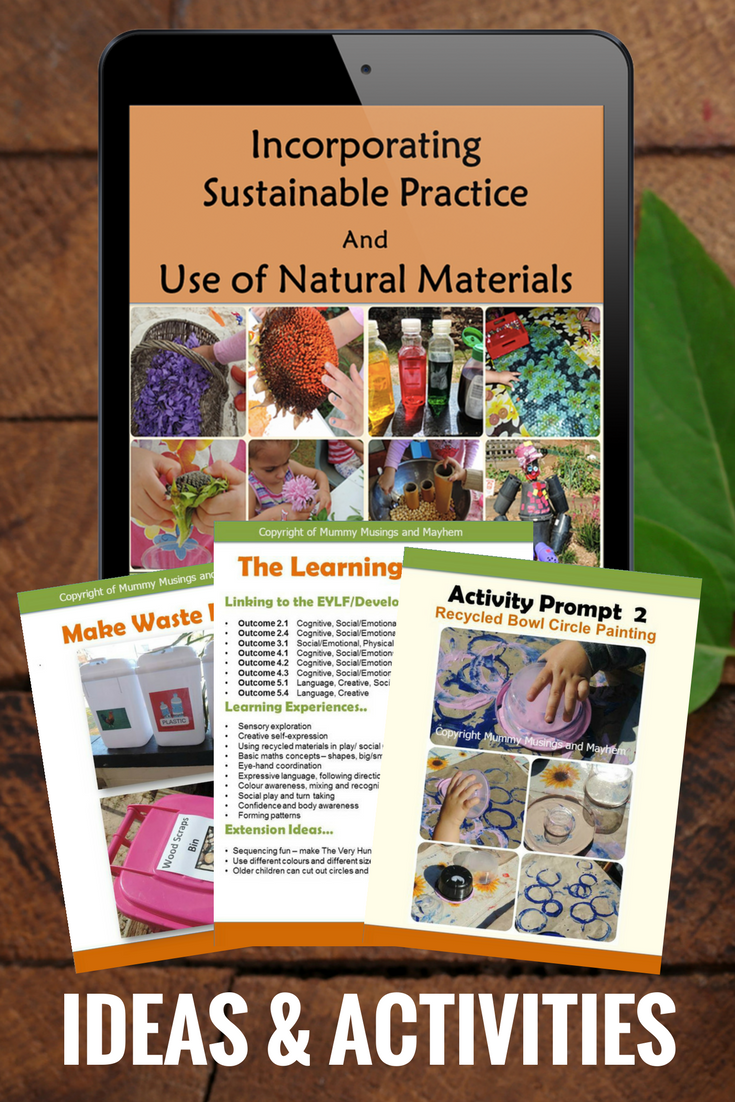
Roadschooling, also known as homeschooling on the road or worldschooling, is a unique approach to education that offers numerous benefits for children with special needs. It allows families to combine travel and hands-on experiences with traditional academics, creating an enriching and personalized learning experience. In this case study-style post, we will explore the advantages of roadschooling for children with special needs and provide practical tips on how to incorporate different aspects of learning into this alternative educational model.
1. Benefits of Roadschooling for Children with Special Needs
Roadschooling can be particularly beneficial for children with special needs due to its flexible nature and individualized approach. Here are some key advantages:
Customized Learning Environment: Roadschooled children have the opportunity to learn in a comfortable and familiar environment that suits their unique needs. They can avoid sensory overload or other triggers commonly found in traditional classroom settings.
Personalized Curriculum: In roadschooling, parents act as educators and have the freedom to tailor their child’s curriculum based on his/her strengths, interests, and learning style. This flexibility ensures that each child receives an education that meets their specific requirements.
Increased Flexibility: Children with special needs often require additional time for therapies or medical appointments. Roadschooled students have greater flexibility in scheduling these activities without sacrificing their education.
Reduced Stress: For many children with special needs, navigating social interactions in a traditional school setting can be challenging and stressful. Roadschooling provides a more relaxed atmosphere where they can focus on learning at their own pace without feeling overwhelmed by peer pressure.
Enhanced Socialization Opportunities: Contrary to popular belief, roadschooled children do not miss out on social interactions. Through participation in homeschool co-ops, local community events, online groups, or even meeting other travelers while on the road, roadschooled children have ample opportunities to develop meaningful relationships and build social skills.
2. Incorporating Hands-On Learning into Roadschooling
One of the greatest advantages of roadschooling is the ability to incorporate hands-on learning experiences into everyday lessons. This approach not only enhances engagement but also helps children with special needs better understand and retain information. Here are some practical ways to integrate hands-on learning:
Science Experiments: Visit science museums, national parks, or nature reserves where children can engage in experiments related to their current science topics. For example, collecting rocks and identifying different types can be a fun and educational activity.
Historical Reenactments: While traveling, seek out historical sites or events that allow children to immerse themselves in history through reenactments or guided tours. Encourage them to dress up in period costumes or participate in interactive exhibits.
Cooking and Cultural Exploration: Use cooking as a way to explore different cultures and traditions. Research traditional recipes from various countries you plan on visiting, buy local ingredients, and have your child assist in preparing the dishes.
Artistic Expression: Engage children’s creativity by visiting art galleries, attending workshops led by local artists, or encouraging them to create artwork inspired by their travel experiences.
3. Exploring Different Cultures and Traditions Through Roadschooling
Roadschooling provides an excellent opportunity for children with special needs to gain firsthand knowledge about diverse cultures and traditions around the world. Exposure to different ways of life fosters empathy, understanding, and appreciation for diversity. Here are some suggestions:
Language Learning: Utilize online resources like language-learning apps or hire local tutors during your travels so that your child can learn new languages while immersing themselves in various cultures.
Cultural Festivals: Plan your travels around cultural festivals celebrated in different regions. These events offer rich cultural experiences including music performances, traditional dances, arts & crafts exhibitions, storytelling sessions, etc.
Local Cuisine: Explore authentic cuisine from different regions by dining at local restaurants or participating in cooking classes taught by locals who can share their traditional recipes and cooking techniques.
Historical Sites: Visit historical landmarks, museums, and cultural centers to learn about the history, traditions, and heritage of different cultures. Many institutions offer special programs or exhibits designed for children.
4. Tips for Maintaining a Healthy Social Life While Roadschooling
Maintaining a healthy social life is essential for children’s overall development, regardless of whether they attend traditional schools or are roadschooled. Here are some tips to ensure your child has opportunities to interact with peers:
Homeschool Co-ops: Join local homeschool co-ops or support groups in the areas you visit. These organizations often offer educational activities, field trips, and social events specifically designed for homeschooled children.
Online Communities: Utilize online platforms such as forums or social media groups dedicated to families who are on the road or engaged in alternative education methods. These communities provide an opportunity to connect with other roadschooled children around the world.
Local Recreation Centers: Take advantage of community recreation centers that often offer classes, sports teams, clubs, and other activities open to all children within the area.
Volunteer Opportunities: Engage in volunteer work during your travels. This allows your child to contribute positively while also providing an avenue for meeting locals and forging new friendships.
5. Incorporating Technology and Online Resources in Roadschooling
Technology plays a significant role in modern education, including roadschooling. It provides access to diverse learning resources and facilitates remote communication with educators or therapists if needed. Here’s how technology can be utilized effectively:
Virtual Field Trips: Take advantage of virtual tours available online that allow students to explore museums, historical sites, national parks through interactive multimedia experiences from anywhere in the world.
Educational Apps & Websites: Use educational apps tailored towards specific subjects like math drills or language learning games alongside online resources such as Khan Academy or TED-Ed videos that cover various topics across multiple disciplines.
Online Tutoring or Therapy: If your child requires additional academic support or therapy, explore online options that provide remote access to qualified professionals who can offer personalized guidance and assistance.
Digital Portfolio: Encourage your child to document their experiences through blogs, vlogs, or digital portfolios. This not only enhances their creativity and communication skills but also serves as a record of their educational journey.
6. Roadschooling on a Budget: Cost-effective Travel Tips
Roadschooling doesn’t have to break the bank. With careful planning and budget-conscious choices, families can embark on this educational adventure without compromising their finances. Here are some cost-effective travel tips:
Travel during Off-Peak Seasons: By avoiding peak travel times, you can take advantage of lower accommodation rates and fewer crowds at popular attractions.
Camping & RV Living: Consider camping in national parks or opting for RV living if feasible for your family. These options often provide affordable accommodations while allowing you to experience nature firsthand.
Work Exchange Programs: Engage in work exchange programs where families volunteer their time in exchange for food and accommodation. Websites like Workaway or HelpX connect travelers with hosts seeking help in various fields.
Budget-Friendly Activities: Look for free or low-cost activities such as hiking trails, public parks, community events, or local museums that offer discounted admission days/times.
Meal Planning & Cooking: Opt for self-catering accommodations that allow you to cook your meals instead of dining out regularly. This saves money while providing an opportunity to explore local markets and ingredients unique to the regions you visit.
7. The Role of Parents as Educators in Roadschooling
Parents play a crucial role as educators in roadschooling by creating an engaging learning environment tailored specifically to meet their child’s needs. Here are some strategies parents can implement:
Develop a Flexible Curriculum: Design a curriculum that aligns with state standards while incorporating the child’s interests and strengths into lessons. Flexibility allows for adjustments as needed.
Set Clear Goals: Establish specific learning goals and objectives at the beginning of each semester or academic year. This helps parents track progress and ensures that the child is meeting educational milestones.
Utilize Local Resources: Take advantage of local libraries, museums, historical sites, or community centers in each location visited to supplement lessons with hands-on experiences and resources.
Encourage Independent Learning: Foster your child’s independence by assigning projects or research tasks relevant to their interests. This promotes critical thinking skills and self-directed learning.
Seek Professional Support: Consult with professionals such as therapists, tutors, or subject-matter experts if required to ensure a well-rounded education in areas where parents may lack expertise.
8. Balancing Academics and Adventure in Roadschooling
Finding a balance between academics and adventure is essential to make roadschooling successful. Here are some strategies for achieving this balance:
Develop a Flexible Schedule: Create a schedule that allows for both structured academic time and free exploration of new surroundings. This flexibility enables children to learn from real-life experiences while still dedicating time to formal studies.
Incorporate Real-World Experiences into Lessons: Use travel experiences as opportunities for practical application of knowledge gained through traditional subjects like history, geography, science, etc. For example, visiting ancient ruins can enhance understanding of historical events studied earlier.
Prioritize Core Subjects: Identify core subjects that require consistent attention regardless of location (e.g., mathematics or language arts) and allocate dedicated study time accordingly while allowing more flexibility with other subjects.
Take Advantage of Travel Downtime: During long drives or flights between destinations, utilize audio books or podcasts on educational topics to keep learning engaged even during transit periods.
9. Creating a Flexible Curriculum for Roadschooling
One significant advantage of roadschooling is the ability to create a flexible curriculum tailored specifically to meet the needs of each child. Here are some tips for developing an effective and flexible curriculum:
Identify Educational Priorities: Determine the core subjects that align with your child’s educational goals. These may include mathematics, reading/writing, science, social studies, and foreign languages.
Utilize Online Resources: Take advantage of online resources like Khan Academy or other educational websites to supplement lessons in various subjects. These platforms often provide structured learning paths based on grade level or specific topics.
Tap into Local Expertise: Seek out local experts or professionals who can offer specialized knowledge relevant to your child’s interests. This could involve arranging interviews, attending workshops, or participating in cultural activities led by locals.
Allow for Student Choice: Incorporate student choice within the curriculum whenever possible. For example, let them choose a book from a list of recommended readings or select an area of interest within a broader topic for further exploration.
Regularly Assess Progress: Implement ongoing assessments such as quizzes, projects, or presentations to gauge understanding and progress. Adjust the curriculum based on these assessments to ensure continued growth.
10. Exploring National Parks and Natural Wonders Through Roadschooling
One of the greatest advantages of roadschooling is the ability to explore national parks and natural wonders around the world. These experiences provide children with special needs unique opportunities for hands-on learning while fostering a love for nature and environmental stewardship. Here are some ways to incorporate this aspect into your roadschooling journey:
Research Before Visiting: Encourage your child to research about each national park or natural wonder before visiting by utilizing guidebooks, online resources, documentaries/videos related to these destinations.
Create Field Guides: Develop personalized field guides where children can document their observations about flora, fauna, geological formations encountered during visits using drawings/photographs along with written descriptions.
Participate in Ranger-Led Programs: Many national parks offer ranger-led programs specifically designed for homeschoolers that allow students to learn about various topics including wildlife conservation efforts or geology through interactive sessions led by park rangers.
Join Junior Ranger Programs: Take advantage of junior ranger programs available at most national parks, which provide activities and opportunities for children to learn about the environment, complete hands-on tasks, and receive badges/certificates as recognition of their achievements.
11. Roadschooling as a Means of Sustainable Living and Environmental Education
Roadschooling can serve as a means to educate children about sustainable living practices and environmental conservation. By incorporating eco-friendly habits into their daily lives on the road, families can instill valuable lessons in their children. Here are some strategies:
Practice Responsible Travel: Teach your child about responsible travel practices such as minimizing waste generation, conserving water and energy resources while staying at accommodations or camping sites.
Reduce Single-Use Plastics: Encourage your child to adopt habits like carrying reusable water bottles, bags, cutlery sets so that they can actively reduce single-use plastic consumption during travel.
Explore Eco-friendly Initiatives: Seek out eco-parks or nature reserves where children can learn about local biodiversity preservation efforts or participate in volunteer activities focused on habitat restoration or wildlife conservation projects.
Visit Environmental Centers & Museums: Include visits to environmental education centers or museums dedicated to sustainability topics like renewable energy sources, recycling processes, climate change impact assessment in your itinerary.
12. Homeschool Co-Ops and Support Networks for Roadschoolers
Being part of a homeschool co-op or support network is beneficial not only for socialization but also for sharing resources and expertise with other roadschooling families. Here are some ways these communities can enhance the roadschooling experience:
Cooperative Learning Opportunities: Participate in cooperative learning experiences like group projects or field trips organized by homeschool co-ops where students work together towards common goals while fostering teamwork skills.
Resource Sharing: Exchange educational materials, textbooks, curriculum plans with other roadschoolers within your community. This helps save costs while providing access to diverse teaching methodologies and resources.
Expertise Exchange: Collaborate with other families who may have expertise in certain subjects or skills. This allows for specialized instruction, mentorship, or workshops conducted by parents or professionals within the co-op network.
Socialization: Homeschool co-ops offer regular opportunities for children to interact with peers, form friendships and build a sense of community. Regular meetings, picnics, field trips foster social connections among both students and parents.
13. The Impact of Long-Term Travel on Children’s Education and Development
Long-term travel through roadschooling can have a profound impact on children’s education and development. Experiencing different cultures, languages, landscapes contributes to their personal growth in numerous ways:
Cultural Competence: By encountering diverse cultures and traditions firsthand during travels, children develop cultural competence—increasing their understanding of global perspectives while fostering empathy towards others.
Adaptability & Resilience: Roadschooling requires adaptability as families must adjust to new environments frequently. Children learn to navigate unfamiliar situations independently while developing problem-solving skills along the way.
Global Awareness & Perspective: Living amidst different communities worldwide broadens children’s horizons beyond their immediate surroundings. They gain a deeper appreciation for diversity and are more likely to embrace varied perspectives throughout life.
Independence & Self-Confidence: Roadschooling encourages independence as children take an active role in their educational journey alongside managing day-to-day activities while on the road. This nurtures self-confidence as they overcome challenges outside traditional comfort zones.
Open-Mindedness & Flexibility: Exposure to various cultures fosters open-mindedness as children learn that there are multiple ways of living and thinking about the world. They also develop flexibility by embracing change readily due to frequent transitions between locations.
14. Incorporating Physical Fitness and Outdoor Activities into Roadschooling
Physical fitness is an essential component of holistic education for all children regardless of schooling method chosen. Here are some ways to incorporate physical fitness and outdoor activities into roadschooling:
Daily Exercise Routine: Dedicate a specific time each day for physical exercise. This can include stretching, yoga, cardio exercises, or engaging in team sports if facilities are available.
Outdoor Recreation: Take advantage of the natural surroundings while exploring different destinations. Engage in hiking, biking, swimming, kayaking or any other outdoor activities that children enjoy.
Participate in Local Sports Programs: Enroll your child in local recreational sports programs or community clubs where they can engage with local children and participate in organized sporting events.
Nature Study & Exploration: Incorporate nature study into science lessons by going on nature walks to observe plants, animals or participating in citizen science projects like bird counting.
15. Teaching Life Skills Through Practical Experiences While on the Road
Roadschooling offers numerous opportunities for teaching life skills through practical experiences outside traditional classroom settings. Here are some examples:
Budget Management: Involve your child in financial planning and budgeting throughout the journey. Allow them to keep track of expenses and discuss choices made regarding accommodations, transportation, meals within specified budgets.
Navigation Skills: Teach your child how to read maps and navigate using various tools like GPS devices or compasses during travel expeditions.
Cuisine Exploration & Cooking Skills: Encourage your child’s involvement in meal planning, grocery shopping based on local flavors encountered during travels. Assist them as they learn cooking techniques from different cultures.
Time Management & Planning Abilities: Involve your child actively when creating an itinerary for each destination; this helps develop their ability to manage time effectively while prioritizing activities of interest within specified timelines.
Problem-Solving & Decision-Making Skills: Encourage decision-making opportunities during travel-related challenges such as missed connections or unexpected changes requiring quick adaptation.
16. Roadschooling During Transitional Periods
Transitional periods such as moving from one location to another can pose unique challenges for roadschoolers. Here are some strategies to ensure continuity in education during these periods:
Plan Ahead: Research educational opportunities available at the new location well in advance. Familiarize yourself with local homeschooling regulations, support networks, and resources.
Online Education Platforms: Utilize online platforms such as virtual classrooms or e-learning programs that can provide stability and continuity of education during transitional periods.
Maintain Routine: Stick to a consistent routine by allocating dedicated study time each day for core subjects regardless of location changes. This helps children adapt more easily during transition phases.
Engage with Local Communities: Reach out to local homeschool groups or community centers in the new area to foster connections and gain insights into educational opportunities specific to your child’s needs.
Utilize Travel Time Wisely: Use travel time between locations as an opportunity for independent learning through audiobooks, podcasts, or educational apps that are accessible offline.
Conclusion
Roadschooling offers numerous benefits for children with special needs, providing them with a customized learning environment, personalized curriculum, increased flexibility, reduced stress levels, and enhanced socialization opportunities. By incorporating hands-on learning experiences and exploring different cultures and traditions while on the road, roadschooled children can acquire knowledge beyond traditional textbooks. Maintaining a healthy social life is crucial for their development; therefore joining homeschool co-ops or participating in local activities is highly recommended. Technology plays a vital role in modern education; thus integrating it into roadschooling fosters engagement and access to diverse resources. Roadschooling does not have to be expensive; budget-friendly travel tips allow families to embark on this journey without financial strain. Parents play an essential role as educators by creating flexible curricula tailored specifically for their child’s unique needs while balancing academics and adventure. Ensuring exposure
 Alternative Amie
Leave a comment