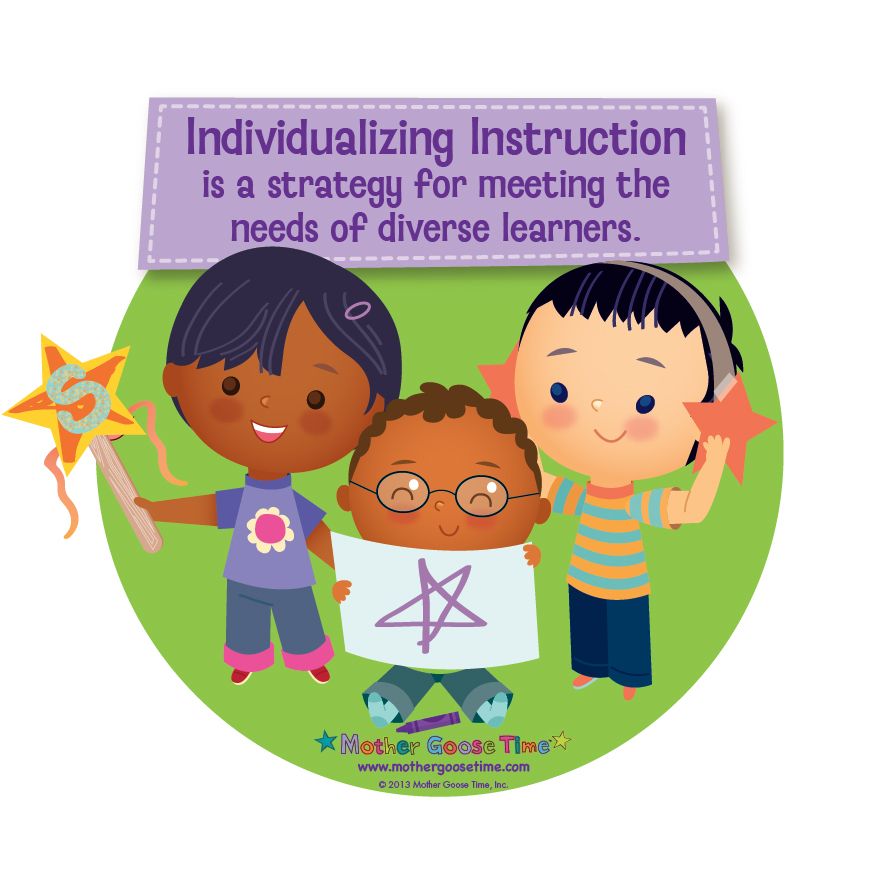
Individualized Instruction in Virtual Schools: A Retrospective
Over the years, alternative forms of education have emerged as viable options for students seeking a more personalized and flexible learning experience. One such option is virtual schooling, which has gained popularity due to its ability to provide individualized instruction.
Virtual schools offer students the opportunity to learn from the comfort of their own homes or any location with an internet connection. This flexibility allows students to set their own pace and schedule, enabling them to balance academics with other commitments such as extracurricular activities or part-time jobs.
One of the key advantages of virtual schools is the provision of individualized instruction. Unlike traditional classroom settings where teachers must cater to a diverse group of learners, virtual schools can tailor lessons and assignments based on each student’s unique needs and abilities. Through online assessments and diagnostic tools, educators can identify areas where students may require additional support or challenge.
Individualized instruction allows students to progress at their own speed. Advanced learners can move ahead quickly without being held back by their peers, while struggling students can receive targeted interventions and remediation. This approach ensures that no student feels left behind or unchallenged within the virtual school setting.
Virtual schools also offer various modes of communication between teachers and students. Online discussion boards, video conferencing platforms, email exchanges, and even one-on-one tutoring sessions provide ample opportunities for interaction and feedback. These channels allow instructors to address questions promptly, clarify concepts, provide guidance on assignments, and give constructive criticism on student work.
Furthermore, technology plays a crucial role in facilitating individualized instruction in virtual schools. Adaptive learning software programs analyze data from student performance and adjust content accordingly based on strengths and weaknesses identified through algorithms. This dynamic approach ensures that each learner receives personalized recommendations for further study while reinforcing existing knowledge gaps.
In conclusion, virtual schools have revolutionized education by providing individualized instruction tailored to meet each student’s specific needs. The flexibility, personalized learning plans, and various communication channels offered by virtual schools have contributed to the success of this alternative form of education. As advancements in technology continue to shape the future of education, individualized instruction remains a cornerstone of virtual schooling.
 Alternative Amie
Leave a comment