The Engineering Design Process: Empowering Students to Innovate and Create
In today’s fast-paced world, it is crucial for students to develop skills that will enable them to solve complex problems and think critically. One approach that has gained traction in education is the engineering design process. This systematic framework not only empowers students to innovate but also prepares them for real-world challenges.
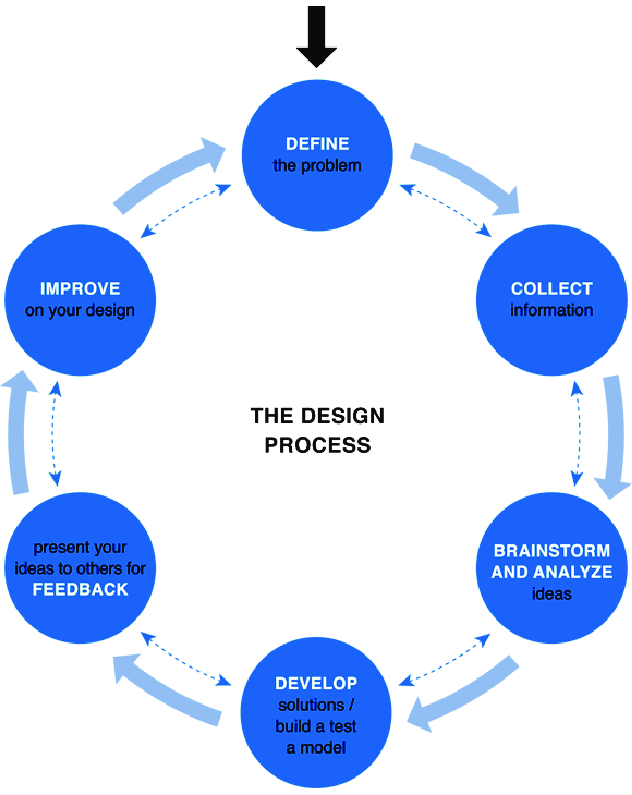
The engineering design process consists of a series of steps that guide students through problem-solving and decision-making. It begins with identifying a problem or need, followed by research and brainstorming to generate potential solutions. Next comes the prototyping phase, where students create models or prototypes to test their ideas. These prototypes are then evaluated, modified, and refined until an optimal solution is achieved.
One of the greatest strengths of the engineering design process is its emphasis on creativity and innovation. By encouraging students to think outside the box, it fosters a mindset of exploration and discovery. This approach allows for multiple iterations and encourages students not to fear failure but rather view it as an opportunity for growth.
Furthermore, the engineering design process promotes collaboration among students. As they work together on projects, they learn how to communicate effectively, share ideas, listen actively, compromise when necessary, and value diverse perspectives. These interpersonal skills are essential in today’s interconnected world where teamwork plays a pivotal role in achieving success.
Another key aspect of the engineering design process is its focus on iteration and improvement. Students are encouraged to reflect on their designs constantly; evaluate what works well and what needs refinement; make adjustments based on feedback; and strive for continuous improvement throughout the entire process. This iterative nature instills resilience in students as they understand that progress often involves setbacks but can ultimately lead them closer to their goals.
By incorporating the engineering design process into alternative schooling environments like maker spaces or project-based learning settings, educators can tap into student curiosity while fostering critical thinking skills across various subject areas such as science, technology, engineering, arts, and mathematics (STEAM). This interdisciplinary approach allows students to see the interconnectedness of different disciplines and encourages them to apply their knowledge in meaningful ways.
In conclusion, the engineering design process provides a powerful framework for alternative schooling and education. By engaging students in problem-solving, fostering creativity and collaboration, promoting iteration and improvement, this process equips them with essential skills for success in an ever-changing world. As educators embrace this approach in their teaching practices, they empower students to become active learners who are prepared to tackle real-world challenges with confidence and ingenuity.
 Alternative Amie
Leave a comment