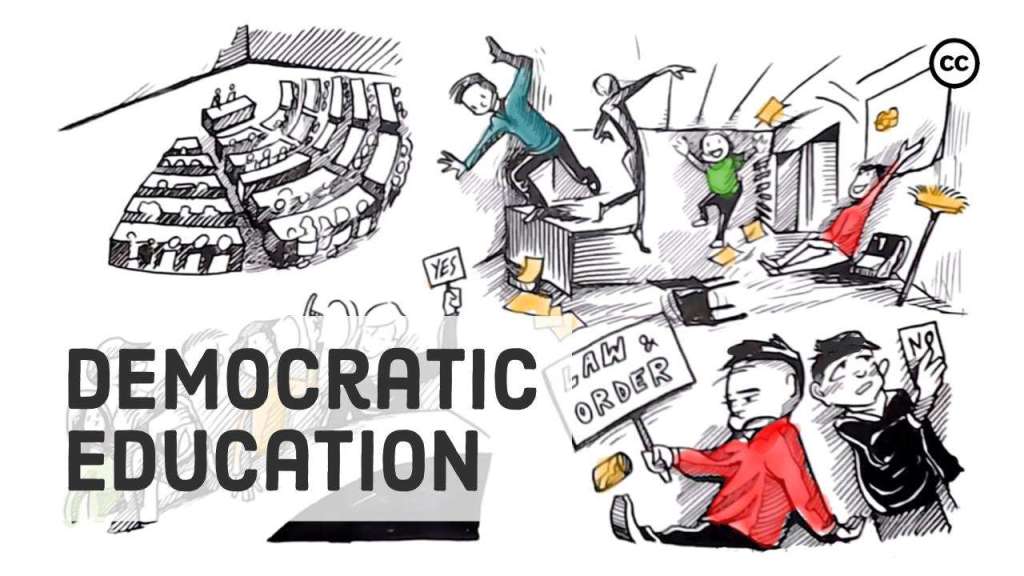
Democratic School Models: Empowering Students through Choice and Collaboration
Education is undergoing a significant transformation as the traditional model of schooling is being challenged. In recent years, alternative education approaches have gained popularity, with democratic school models emerging as powerful alternatives to conventional educational systems. These schools prioritize student agency, active participation, and self-governance, providing an environment that nurtures individuality and fosters collaboration. This article aims to provide an overview of democratic school models and highlight their potential benefits for students.
At the core of democratic schools lies the principle that students should have a say in matters that affect their education – from curriculum design to school rules and policies. By actively involving students in decision-making processes, these schools empower young individuals to take ownership of their learning journey. Democratic schools aim to create a community where every voice is valued and respected.
One prominent example of a democratic school model is Sudbury Valley School in Massachusetts, which opened its doors in 1968. Sudbury Valley operates on the premise that children are naturally curious learners who possess an innate desire to explore the world around them. At this school, students are free to pursue their interests independently or collaboratively with peers while staff members act as facilitators rather than instructors. This approach encourages self-directed learning and enables students to develop crucial skills such as problem-solving, critical thinking, and effective communication.
Another notable democratic school model is Summerhill School located in Suffolk, England. Founded by A.S Neill in 1921, Summerhill emphasizes freedom within limits – allowing students the autonomy to choose how they spend their time at school while ensuring they understand the importance of respecting others’ rights. The unique aspect of Summerhill lies in its democratic meetings where decisions regarding rules or regulations are made collectively by all members of the community – both adults and children alike.
While each democratic school may have its own distinct features or methods, there are common threads running through all these models:
1. Self-directed learning: Democratic schools provide an environment where students are encouraged to follow their passions and interests, allowing them to take charge of their own education. This approach fosters intrinsic motivation and a love for learning.
2. Collaboration: These schools value collaboration as a key aspect of the learning process. Students engage in group projects, discussions, and problem-solving activities that encourage teamwork and cooperation.
3. Equal voice: In democratic schools, the opinions of all community members – including students – hold equal weight when it comes to decision-making processes. This empowers students by instilling a sense of responsibility and ownership over their educational experience.
4. Non-coercive discipline: Discipline is approached through dialogue rather than punishment in democratic schools. The emphasis is on understanding the consequences of one’s actions and resolving conflicts respectfully.
The benefits of democratic school models are numerous:
a) Enhanced engagement: By giving students agency over their education, these models foster greater engagement with the curriculum as they pursue subjects that genuinely interest them.
b) Development of critical life skills: Democratic schools focus on equipping students with skills such as effective communication, problem-solving, decision-making, and conflict resolution – competencies crucial for success beyond academia.
c) Increased autonomy: Students attending democratic schools develop a strong sense of self-awareness and confidence in making choices independently – skills that will serve them well throughout their lives.
d) Respect for diversity: With an inclusive atmosphere that values every individual’s unique perspectives, democratic schools create an environment where differences are celebrated rather than suppressed or ignored.
e) Preparation for active citizenship: Through participatory decision-making processes within the school community, democratic school models prepare students to become informed citizens who actively contribute to society by engaging in democracy at various levels.
While it is important to acknowledge the potential challenges faced by these alternative approaches (such as issues related to assessment or accreditation), democratic school models offer valuable insights into how education can be reimagined to better suit the needs of students. By providing an environment that values student voice, collaboration, and autonomy, these models empower young learners to become active participants in their education and lifelong learners beyond the school walls.
In conclusion, democratic school models offer a refreshing alternative to traditional educational systems by emphasizing student agency and self-governance. These models promote self-directed learning, collaboration, equal voice, and non-coercive discipline – all of which contribute to enhanced engagement, critical life skill development, increased autonomy, respect for diversity, and preparation for active citizenship. As we continue to explore innovative approaches in education, democratic schools provide valuable insights into creating inclusive learning environments that nurture the potential of every individual.
 Alternative Amie
Leave a comment