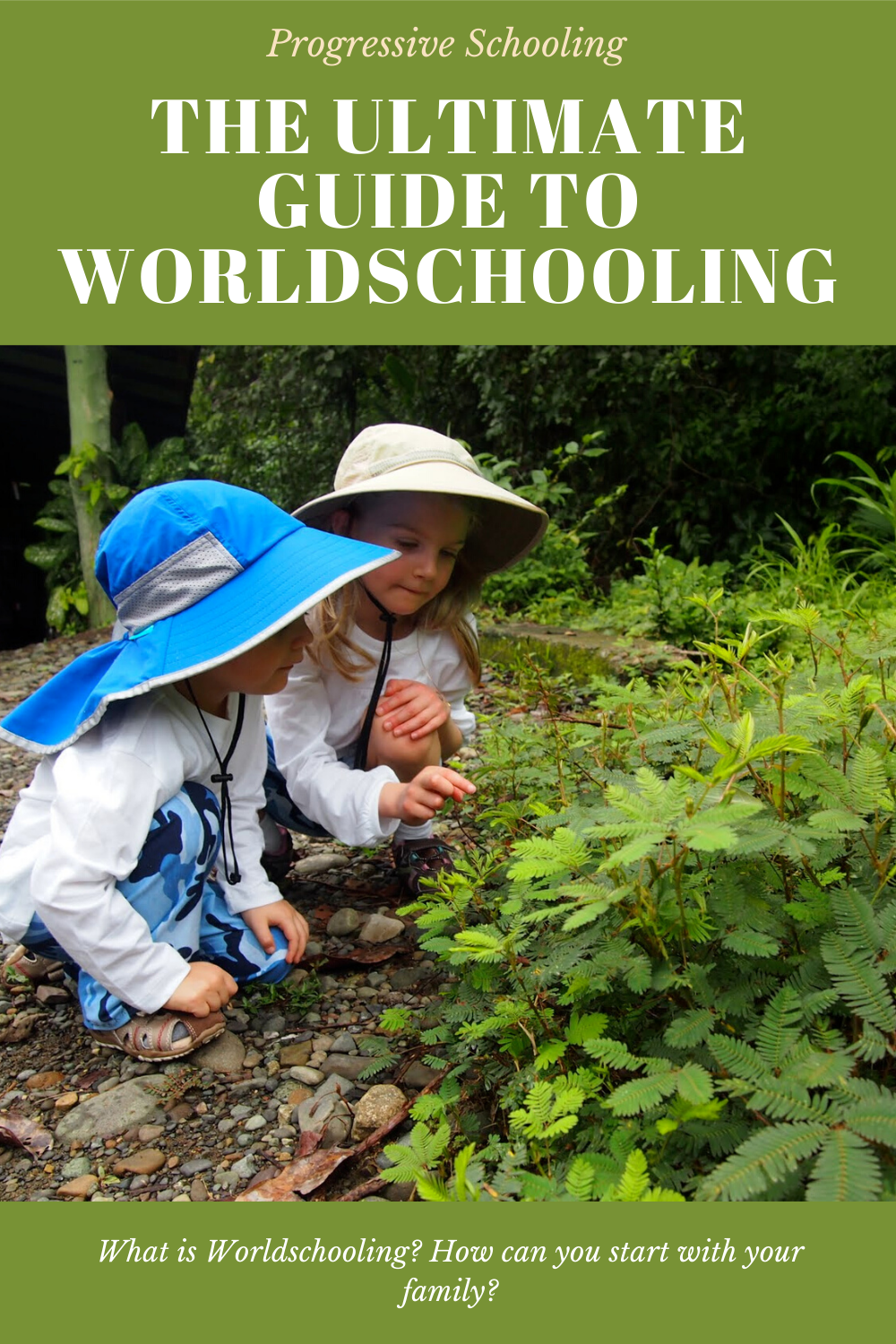
Worldschooling and Socialization: Exploring the Benefits of Learning in a Global Community
In recent years, there has been a growing trend towards alternative forms of education, with many families opting for worldschooling as a way to provide their children with an immersive and experiential learning experience. Worldschooling is a form of homeschooling that involves traveling and exploring different countries and cultures while continuing with academic studies. One common concern among skeptics is the impact on socialization when children are not attending traditional schools. However, proponents argue that worldschooling offers unique opportunities for social development that go beyond what can be achieved in a classroom setting.
Traditional schooling often provides limited exposure to diversity, both cultural and socioeconomic. In contrast, worldschooling exposes children to various cultures, languages, customs, and ways of life from an early age. This multicultural immersion fosters tolerance, empathy, adaptability, and global awareness – skills that are increasingly important in today’s interconnected world.
Worldschoolers have the opportunity to interact with people from all walks of life – local residents, fellow travelers, expatriates – resulting in diverse social circles transcending national boundaries. They learn to communicate effectively across language barriers through real-life experiences rather than relying solely on textbooks or language courses. By engaging with locals in daily activities such as shopping at markets or volunteering within communities abroad, worldschoolers develop confidence in navigating unfamiliar environments independently.
Contrary to popular belief that homeschooled children lack social interaction due to limited contact with peers within their own age group, worldschoolers have numerous opportunities for meaningful connections. Online platforms dedicated to connecting families who embrace alternative educational approaches facilitate meetups between like-minded individuals during travels or even long-term collaborations where families travel together for extended periods.
Additionally, the flexibility inherent in worldschooling allows students ample time for extracurricular activities or pursuing personal interests outside formal academics. Worldschoolers often participate in local sports, arts, and cultural clubs or take classes in subjects of their choice. These activities not only provide opportunities for skill development but also enable children to engage with peers who share common interests, fostering deep connections.
Another advantage of worldschooling is the exposure to different age groups. Traditional schools typically group students by chronological age, limiting interactions between older and younger children. In a worldschooling environment, children frequently interact with people of various ages – from toddlers to senior citizens – which promotes greater social maturity and empathy. Older children naturally assume mentorship roles while younger ones benefit from learning alongside more experienced individuals.
Worldschoolers often participate in community service projects and volunteer work during their travels. Engaging in such activities not only contributes positively to society but also provides an opportunity for meaningful socialization. Children learn about local challenges first-hand, develop a sense of responsibility towards others, and collaborate with fellow volunteers regardless of age or background.
Critics may argue that worldschoolers miss out on developing long-term friendships due to constant travel. While it’s true that maintaining relationships can be challenging when constantly on the move, technology bridges this gap significantly today. Worldschoolers use online platforms and social media to stay connected with friends made along their journeys, creating a global support network that spans continents.
In conclusion, worldschooling offers unique advantages for socialization that traditional schooling may struggle to match. The multicultural experiences encountered during travel foster tolerance and adaptability while exposing learners to diverse perspectives from around the globe. Worldschoolers have ample opportunities for meaningful interactions with locals as well as like-minded families through meetups and online communities dedicated to alternative education approaches. By engaging in extracurricular activities and community service projects abroad, they cultivate skills necessary for navigating a globalized world while building lasting connections across ages and cultures. Ultimately, worldschooling creates a rich tapestry of social experiences that go beyond the confines of classroom walls.
 Alternative Amie
Leave a comment