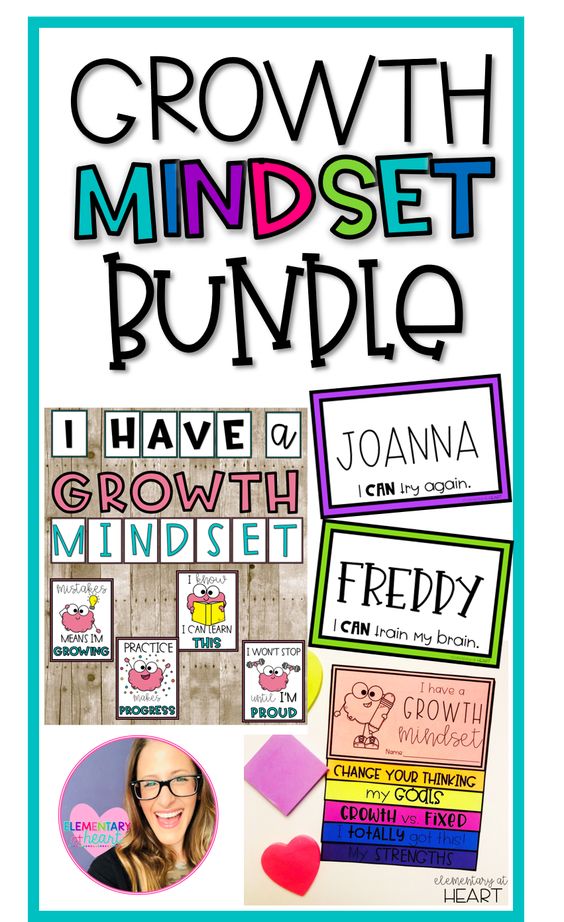
Growth Mindset: Unlocking Potential in Alternative Education
Introduction:
In recent years, there has been a significant shift in the way we perceive learning and education. Traditional methods of schooling have often focused on fixed abilities and intelligence, leaving little room for growth and development. However, alternative schools and educational models are embracing a different approach – one that nurtures a growth mindset.
What is a Growth Mindset?
Coined by psychologist Carol Dweck, a growth mindset refers to the belief that talents and abilities can be developed through dedication and hard work. It is an understanding that our intellectual capabilities are not fixed traits but can be improved with effort and persistence. In contrast, individuals with a fixed mindset believe intelligence is static; you either have it or you don’t.
The Role of Alternative Schools:
Alternative schools have long recognized the limitations of traditional education systems that promote fixed mindsets. These progressive institutions aim to foster an environment where students feel challenged yet supported in their journey towards self-discovery and personal growth.
By cultivating a growth mindset within their curriculum, alternative schools encourage students to embrace challenges as opportunities for learning rather than seeing them as barriers or threats to their self-worth. This perspective helps children develop resilience, perseverance, adaptability, and problem-solving skills – all essential qualities for success both inside and outside the classroom.
Creating Opportunities for Growth:
One of the fundamental ways alternative schools promote a growth mindset is by creating diverse learning experiences tailored to individual student needs. Unlike conventional classrooms where rigid curricula dictate what students should learn at specific times, alternative education allows flexibility in tailoring lessons according to each student’s strengths, weaknesses, interests, and pace of learning.
For example, project-based learning (PBL) is commonly employed in many alternative schools. PBL enables students to engage deeply with subjects they find interesting while simultaneously developing critical thinking skills through active exploration and collaboration. By working on projects that align with their passions, students are more likely to feel motivated and curious about the learning process.
Furthermore, alternative schools often prioritize experiential learning. This hands-on approach allows students to apply theoretical knowledge in real-world situations, fostering a deeper understanding of concepts and building practical skills. Through internships, field trips, community service projects, and apprenticeships with local professionals or businesses, students gain valuable insights into potential career paths and develop a sense of purpose beyond academic achievements.
Embracing Failure as an Opportunity:
In traditional educational settings, failure is often stigmatized and seen as evidence of incompetence. However, alternative schools embrace failure as an essential part of the growth process. By reframing failures as stepping stones toward improvement rather than personal shortcomings, students learn to persevere through setbacks and view them as opportunities for growth.
Alternative education models emphasize that mistakes are not only acceptable but also integral to the learning journey. Students are encouraged to reflect on their errors critically, identify areas for improvement, and develop strategies to overcome challenges they may encounter. This approach nurtures resilience in learners by teaching them that setbacks should be used as fuel for future success rather than reasons for giving up.
Nurturing Self-Efficacy:
Self-efficacy refers to an individual’s belief in their ability to succeed at specific tasks or challenges. Alternative schools play a crucial role in nurturing self-efficacy by providing meaningful feedback that focuses on effort rather than outcomes alone.
Instead of simply assigning grades or rankings based on final results, alternative educators prioritize constructive feedback aimed at highlighting strengths while suggesting areas for further development. By emphasizing progress over perfectionism and recognizing individual effort regardless of immediate success rates, alternative schools foster a sense of confidence amongst students that fuels continued growth.
Creating Supportive Learning Communities:
Another distinguishing feature of alternative education is its emphasis on creating supportive learning communities where collaboration trumps competition. In these environments, teachers act more like facilitators who guide students through their educational journeys rather than authoritarian figures dictating knowledge.
Through collaborative projects, group discussions, and peer-to-peer mentoring, students learn to appreciate diverse perspectives and value the contributions of their peers. This sense of community fosters empathy, compassion, and a willingness to help others succeed – all essential qualities for personal growth and social development.
Conclusion:
In a world that is rapidly evolving, it is crucial that our educational systems adapt as well. Alternative schools have recognized the limitations of traditional education models and are pioneering new approaches that foster a growth mindset among students.
By embracing challenges, reframing failure as an opportunity for growth, nurturing self-efficacy, creating supportive learning communities, and tailoring education to individual needs – alternative schools unlock the potential within each student. These progressive institutions empower learners with the belief that they can achieve greatness through dedication, effort, and resilience.
As we continue to explore different paths in education reform and advocate for alternative schooling options, let us remember the power of a growth mindset in shaping young minds towards success not just academically but also in life.
 Alternative Amie
Leave a comment