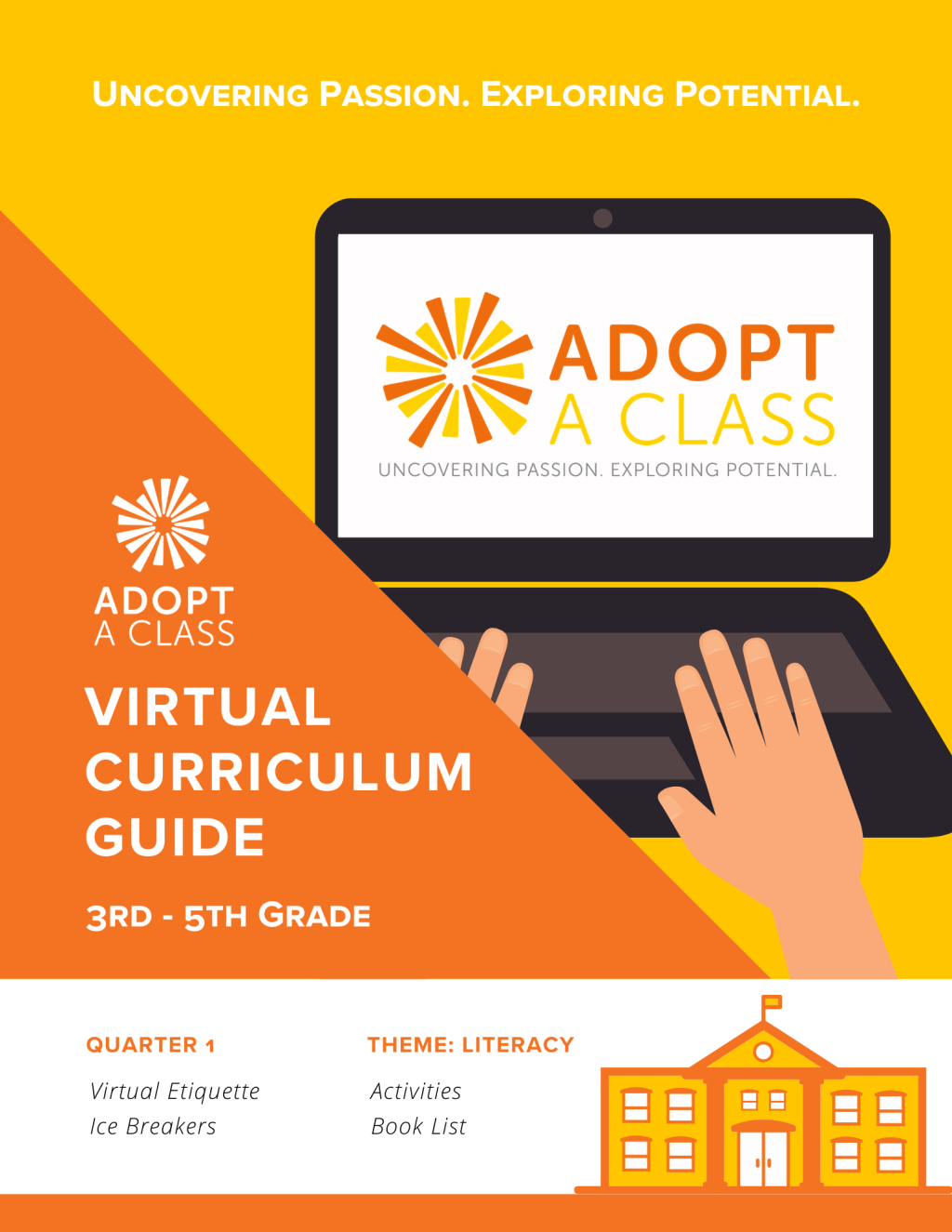
Virtual School Curriculum: A Comprehensive Overview
As technology continues to evolve, so does the way we approach education. Virtual schooling has gained significant traction in recent years as an alternative form of education that offers flexibility and personalized learning experiences. In this article, we will explore the virtual school curriculum, its benefits and challenges, and how it compares to traditional brick-and-mortar schools.
What is Virtual Schooling?
Virtual schooling, also known as online schooling or e-learning, refers to an educational program where students receive instruction remotely via the internet. It provides a flexible and accessible option for students who may not thrive in traditional classroom settings due to various reasons such as location constraints, health issues, or personal circumstances.
The Virtual School Curriculum
The virtual school curriculum encompasses a wide range of subjects similar to those taught in traditional schools. From core subjects like Math, Science, English Language Arts (ELA), Social Studies to elective courses such as foreign languages or music appreciation—virtual schools strive to offer a comprehensive educational experience for students.
One significant advantage of virtual school curricula is their ability to cater to individual student needs through personalized learning paths. Students can progress at their own pace with tailored lesson plans based on their strengths and weaknesses. This flexibility allows learners to delve deeper into topics they excel at while spending more time on challenging areas without feeling rushed or left behind.
Teaching Methods in Virtual Schools
Virtual schools employ various teaching methods designed specifically for remote instruction. These methods often include multimedia resources like videos and interactive presentations that enhance engagement during lessons. Additionally, educators utilize discussion boards and chat features within the virtual classroom environment for collaborative activities among students.
In many cases, virtual school programs incorporate live video conferencing sessions where teachers can interact directly with their students in real-time. This synchronous interaction helps foster a sense of community among learners who may otherwise feel isolated from peers due to physical distance.
Benefits of Virtual School Curriculum
1) Flexibility: Perhaps the most significant advantage of virtual school curriculum is its flexibility. Students can access their courses and assignments at any time, allowing them to work at their own pace and schedule. This flexibility is particularly beneficial for those involved in extracurricular activities or students who want to pursue other interests while still receiving a quality education.
2) Personalized Learning: Virtual schooling allows for personalized learning experiences tailored to individual student needs. This approach helps students reach their full potential by focusing on areas where they require additional support or challenging them with advanced coursework if they excel in certain subjects.
3) Accessibility: Virtual schools break down geographical barriers, providing education to students who may have limited access to quality schools due to living in remote areas or facing physical disabilities. It ensures that every student has the opportunity to receive an education regardless of their location.
4) Safety and Well-being: In situations where traditional schooling may be disrupted due to natural disasters, pandemics, or other emergencies, virtual schools offer a safe alternative that minimizes disruptions in learning. Students can continue their education from the safety of their homes without compromising their well-being.
Challenges of Virtual School Curriculum
While virtual school curriculum offers numerous benefits, it also presents some unique challenges:
1) Self-Discipline: The flexible nature of virtual schooling demands self-discipline from students. Without the structure provided by a physical classroom environment, learners must manage their time effectively and stay motivated to complete assignments independently.
2) Limited Social Interaction: One drawback of online schooling is the potential lack of face-to-face social interaction among peers. While virtual classrooms incorporate collaborative activities through discussion boards and video conferencing sessions, it may not fully replicate the interpersonal connections formed in traditional schools.
3) Technology Requirements: Access to reliable internet connection and necessary technological devices like computers or tablets is crucial for successful participation in virtual school curricula. Not all families have equal access to these resources, posing a challenge for widespread adoption.
Comparison to Traditional Schools
Virtual school curriculum and traditional schools differ in several key aspects:
1) Learning Environment: Virtual schools provide a more flexible learning environment, allowing students to work from anywhere with an internet connection. In contrast, traditional schools require students to physically attend classes at specific locations.
2) Teaching Methodologies: While both virtual and traditional schools aim to deliver quality education, the teaching methodologies employed differ significantly. Traditional classrooms prioritize face-to-face instruction and often rely on textbooks and physical resources, whereas virtual schools utilize multimedia resources and online platforms for instruction.
3) Social Interaction: Traditional schooling offers greater opportunities for social interaction among peers through extracurricular activities, clubs, sports teams, and face-to-face classroom discussions. Virtual schooling aims to simulate these interactions through digital means but may not fully replicate the same level of interpersonal engagement.
Conclusion
Virtual school curricula offer a flexible alternative that caters to individual student needs while providing comprehensive education across various subjects. The personalized learning experience, accessibility regardless of location or circumstance, and adaptability during emergencies are some of the significant benefits it offers. However, challenges such as self-discipline requirements and limited social interaction must be addressed for optimal implementation. By understanding the strengths and limitations of virtual school curriculum compared to traditional schooling models, educators can make informed decisions about the best approach for each student’s unique circumstances.
 Alternative Amie
Leave a comment