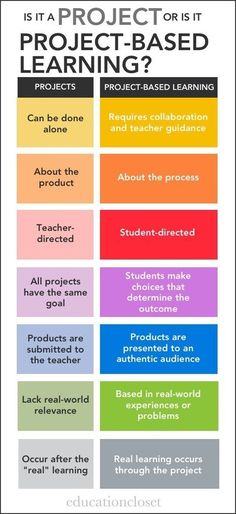
Self-directed learning is a key principle in alternative education and unschooling. It emphasizes the importance of allowing students to take control of their own learning process. Instead of following a rigid curriculum, self-directed learners have the freedom to explore their interests and pursue knowledge in their unique way. This approach encourages intrinsic motivation, independence, and a love for lifelong learning.
Project-based learning is another popular method used in unschooling. It involves engaging students in real-world projects that require critical thinking, problem-solving, and collaboration skills. Projects can range from building a robot to creating an art installation or starting a business. By working on meaningful projects, students develop practical skills while deepening their understanding of various subjects.
Unschooling philosophies reject the traditional school system’s approach to education and focus on individualized learning experiences tailored to each student’s needs and interests. Unschoolers believe that children learn best when they are allowed to follow their passions rather than being forced into predetermined academic pathways.
Personalized education plans play a crucial role in unschooling as they allow parents and students to outline specific goals, objectives, and strategies for learning. These plans provide structure while still maintaining flexibility based on the student’s interests and abilities.
Alternative assessment methods are used in unschooling instead of relying solely on tests or grades. These methods include portfolios, presentations, exhibitions, interviews, demonstrations of knowledge or skills acquired by the student throughout their educational journey.
Pursuing passions and interests is at the core of unschooling philosophy. By encouraging students to explore what they are genuinely interested in, they become more engaged with their studies and develop expertise in areas they are passionate about.
Building critical thinking skills is an essential aspect of alternative education approaches like unschooling. Students are encouraged to question assumptions, analyze information critically, evaluate different perspectives, solve problems creatively, make informed decisions independently — all valuable skills needed for success in today’s complex world.
Developing creativity and innovation is also a focus in unschooling. With the freedom to explore their interests, students have the opportunity to think outside the box, experiment with different ideas, and develop innovative solutions to problems.
Entrepreneurship for unschooled teenagers is often encouraged as it provides them with practical experience in running a business. This hands-on approach helps students develop skills such as financial literacy, marketing, communication, and problem-solving while fostering independence and self-confidence.
Socialization and community involvement are important aspects of alternative education. Unschoolers actively seek out opportunities for their children to interact with peers from various age groups and engage with their local communities through volunteering or participating in extracurricular activities.
Technology integration plays a significant role in modern-day unschooling. With access to online resources, educational apps, virtual learning platforms, and social media networks, unschooled students can connect with experts worldwide, access vast amounts of information instantly, collaborate on projects remotely, and enhance their learning experiences.
Travel and experiential learning opportunities are highly valued in unschooling. By exploring new environments and cultures firsthand, students gain valuable insights into the world around them while applying what they have learned in real-life situations.
Resources for unschooling families include online communities, support groups or forums where parents can share experiences and find inspiration or advice from other like-minded individuals. Additionally there are numerous books about alternative education methods that provide guidance on curriculum development or strategies for supporting self-directed learners.
Balancing structure and freedom is crucial when implementing an alternative education approach like unschooling. While it’s essential to give students autonomy over their learning process; some level of structure may be needed to ensure progress towards goals set by both parents/guardians/students themselves.
Mentoring and apprenticeships offer valuable guidance from experienced professionals who share knowledge in specific fields of interest. Unschooled teens can benefit greatly from these mentor relationships as they provide real-life guidance, support, and opportunities for practical learning experiences.
College admissions for unschooled students may require additional effort as they often lack traditional transcripts or standardized test scores. However, many colleges and universities now recognize alternative education methods and value self-directed learners who have developed a strong sense of ownership over their education.
Homeschool cooperatives and support networks are valuable resources for unschooling families. These groups provide opportunities for collaboration, socialization, field trips, and shared expertise among like-minded individuals.
Health and wellness play an essential role in alternative education. Unschooling allows students to prioritize their physical and mental well-being by providing them with the freedom to engage in activities that promote healthful living such as exercise, mindfulness practices, pursuing hobbies or interests outside of academics.
Financial literacy is an important skill that unschooled teenagers can develop through real-world experiences such as managing finances within entrepreneurship ventures or exploring personal finance topics independently.
Unschooling success stories highlight the achievements of individuals who have thrived under alternative education approaches. These stories serve as inspiration for both parents/guardians/students considering unschooling as a viable educational option.
Advocacy for alternative education rights is crucial to ensure that parents/guardians/students have the legal right to choose non-traditional educational paths without facing discrimination or limitations imposed by mainstream educational systems.
Unschooling in different cultural contexts recognizes that alternative education methods may need to be adapted based on cultural beliefs, values, and norms. It encourages flexibility while still honoring diverse perspectives on learning and child development.
Navigating standardized testing can be challenging for unschooled students due to differences in curriculum coverage or assessment methods compared to traditional schooling. Parents/guardians/students may need guidance on how best to prepare for these tests while staying true to the principles of self-directed learning.
Addressing common misconceptions about unschooling is essential in promoting understanding and acceptance within society. Providing accurate information about the benefits and effectiveness of alternative education approaches can help dispel myths or stereotypes surrounding unschooling.
The role of parents in supporting unschooled teenagers is crucial. Parents/guardians act as facilitators, mentors, and resources for their children’s educational journeys, providing guidance, access to resources, opportunities for exploration, and emotional support throughout the process.
 Alternative Amie
Leave a comment