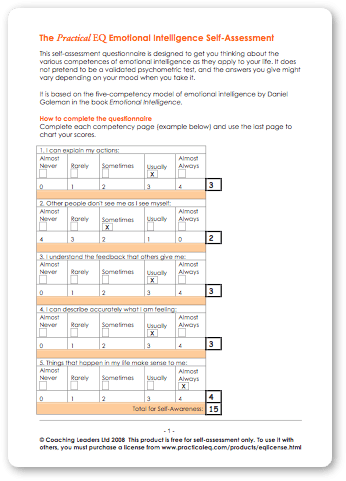
The role of emotional intelligence in self-assessment:
Self-assessment is a critical component of personal growth and development. It allows individuals to reflect on their strengths, weaknesses, and areas for improvement. While traditional forms of self-assessment focus primarily on cognitive abilities, emotional intelligence plays a vital role in this process.
Emotional intelligence refers to the ability to recognize, understand, and manage one’s own emotions as well as the emotions of others. It encompasses skills such as self-awareness, empathy, emotional regulation, and effective communication. When applied to self-assessment, emotional intelligence provides valuable insights into an individual’s internal landscape.
One aspect where emotional intelligence comes into play during self-assessment is through increased self-awareness. Emotional awareness enables individuals to identify their emotions accurately and understand how these feelings impact their thoughts and behaviors. By recognizing their emotional states during moments of reflection or evaluation, individuals can gain deeper insights into their reactions and thought patterns.
Empathy is another crucial element of emotional intelligence that enhances self-assessment. Understanding the perspectives and experiences of others helps individuals develop a broader perspective on themselves. By considering how their actions may affect others or how they would feel in similar situations, individuals can gain a more comprehensive understanding of themselves.
Effective communication is also an essential skill facilitated by emotional intelligence that aids in self-assessment. Being able to express one’s thoughts clearly and listen actively supports fruitful exchanges with others during feedback sessions or reflective conversations. These interactions provide opportunities for deepening understanding about oneself while receiving valuable input from others.
Furthermore, emotional regulation plays a key role in maintaining objectivity during the process of self-assessment. The ability to manage strong emotions allows individuals to approach evaluations with rationality rather than being overwhelmed by negative feelings like shame or defensiveness when confronted with areas needing improvement.
To incorporate emotional intelligence into the practice of self-assessment requires specific techniques tailored towards developing these skills:
1) Reflective exercises: Journaling or engaging in guided reflection activities helps individuals develop self-awareness and emotional regulation. Encouraging individuals to explore their emotions, thoughts, and reactions to different situations can lead to deeper insights.
2) Feedback loops: Regularly seeking feedback from trusted peers or mentors who possess high emotional intelligence can provide valuable perspectives on one’s strengths and areas for growth.
3) Mindfulness practices: Practicing mindfulness exercises like meditation or deep breathing techniques promotes self-awareness, emotion regulation, and empathy. These skills help individuals approach self-assessment with a calm and open mindset.
4) Emotional intelligence training: Participating in workshops or courses focused on developing emotional intelligence can provide individuals with the necessary tools to enhance their self-assessment abilities.
By acknowledging the role of emotional intelligence in self-assessment, individuals can gain a more holistic understanding of themselves. This increased awareness allows for targeted personal growth and development while fostering empathy towards others. Ultimately, incorporating emotional intelligence into the process of self-assessment leads to more authentic and meaningful outcomes that support lifelong learning.
 Alternative Amie
Leave a comment