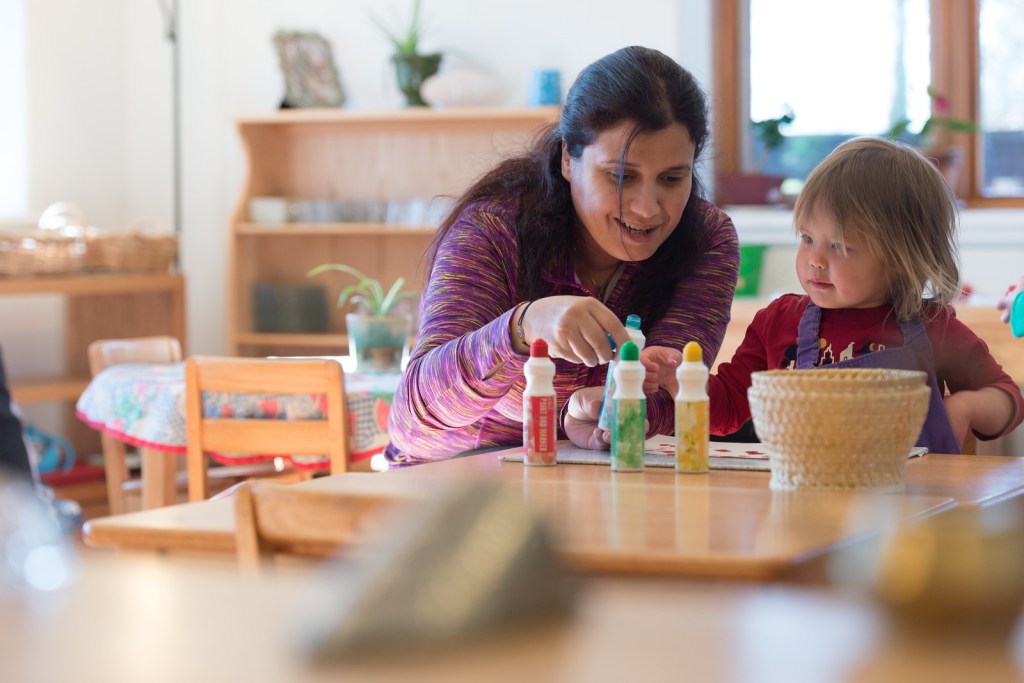
The Montessori Method: A Revolutionary Approach to Education
In a world where traditional schooling methods dominate, the Montessori method stands out as a revolutionary approach to education. Developed by Dr. Maria Montessori in the early 20th century, this alternative educational philosophy has gained immense popularity across the globe for its unique principles and techniques.
At its core, the Montessori method emphasizes child-centered learning, independence, and self-directed activity. In a traditional classroom setting, students are often passive recipients of knowledge. However, in a Montessori environment, children are encouraged to actively engage with their surroundings and take charge of their own learning journey.
One of the key features of the Montessori method is its focus on mixed-age classrooms. Instead of grouping students solely based on age, children of different ages share the same learning space. This multi-age dynamic fosters collaboration and cooperation among peers as older children become mentors for younger ones while reinforcing what they have learned themselves.
Montessori classrooms are carefully designed with specific materials that promote hands-on learning experiences. These materials are meticulously organized and arranged within reach of children so they can freely choose activities that capture their interest. From sensorial materials like colorful blocks to practical life exercises such as pouring water or tying shoelaces, each material serves a purpose in developing various skills – cognitive abilities, motor skills, language acquisition – while nurturing creativity and curiosity.
Another distinctive aspect of the Montessori method is uninterrupted work periods. Unlike traditional schools where classes follow strict schedules with limited time for independent exploration, Montessori allows children to concentrate on tasks for longer periods without interruption. This uninterrupted work time enables deep concentration and encourages children to fully immerse themselves in an activity until they feel satisfied with their progress.
The role of teachers in a Montessori classroom differs significantly from that in conventional education systems as well. Rather than being mere instructors delivering lectures at the front of class, Montessori teachers act as guides or facilitators. They observe and assess each child’s unique needs and interests, providing individualized guidance and support. This personalized approach allows students to progress at their own pace, ensuring a tailored educational experience that caters to their strengths and weaknesses.
The Montessori method also places great emphasis on the development of life skills beyond academic knowledge. Practical life activities such as cooking, cleaning, or gardening are integrated into the curriculum to teach children essential skills for everyday living. These activities not only foster independence but also promote responsibility and self-sufficiency among students.
Research has shown numerous benefits of the Montessori method on children’s overall development. Studies indicate that Montessori-educated children tend to have higher levels of creativity, critical thinking abilities, and problem-solving skills compared to their peers in traditional education settings. Additionally, they often exhibit greater social competence and emotional intelligence due to the emphasis on fostering positive relationships with classmates through collaboration rather than competition.
While the Montessori method has gained popularity worldwide, it is important to note that its implementation can vary from one school to another. Some schools may strictly adhere to Dr. Maria Montessori’s original principles, while others may incorporate elements from other educational philosophies into their programs.
In conclusion, the Montessori method offers a well-rounded alternative approach to education that is centered around fostering independence, curiosity, and holistic growth in children. By creating an environment where children actively engage in learning through hands-on experiences and self-directed exploration, this revolutionary educational philosophy continues to shape the lives of countless students across the globe by nurturing their natural love for learning while preparing them for lifelong success.
 Alternative Amie
Leave a comment