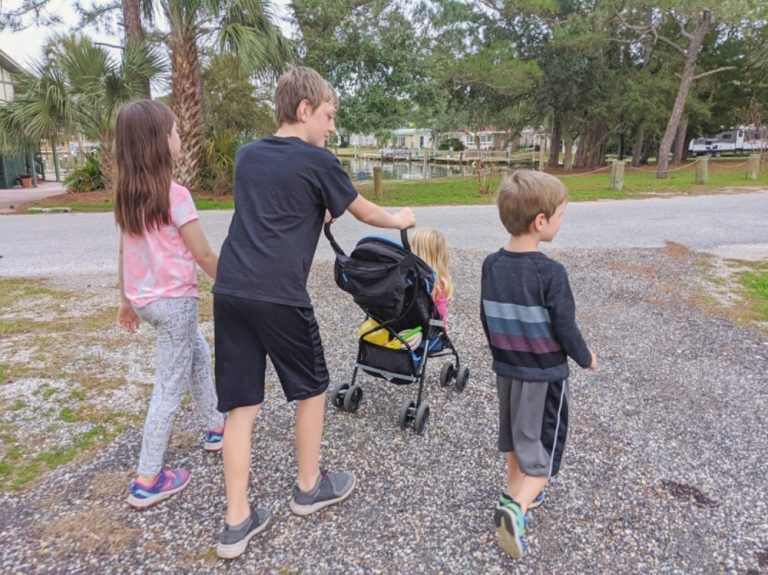
Roadschooling is a unique way of educating children while traveling on the road. It allows families to explore the world and create unforgettable experiences together. With the right curriculum options, technology integration, and community support, roadschooling can provide a well-rounded education for children of all ages and abilities.
1. Roadschooling Curriculum Options:
When it comes to roadschooling, there are various curriculum options available to suit different learning styles and educational goals. Families can choose from traditional homeschool curricula like Abeka or Calvert Education that provide structured lesson plans and textbooks. Alternatively, they can opt for more flexible approaches such as unit studies or unschooling.
Unit studies allow families to dive deep into specific topics by integrating multiple subjects into a cohesive theme. For example, if visiting a national park, children can study its history, geography, wildlife, and conservation efforts in an interdisciplinary manner.
Unschooling takes a child-led approach where learning happens naturally through real-life experiences. Children have the freedom to pursue their interests while parents facilitate resources and opportunities for exploration.
2. Incorporating Technology in Roadschooling:
Technology plays a crucial role in enriching the roadschool experience. With access to laptops or tablets and internet connectivity on the go, children have endless possibilities for learning beyond conventional resources.
Online platforms like Khan Academy offer free video lessons in subjects ranging from math to science and humanities. Educational apps such as Duolingo help children learn new languages during their travels.
Virtual field trips allow students to explore famous landmarks or museums virtually when physically visiting them isn’t possible. Platforms like Google Earth enable students to virtually travel around the globe without leaving their RVs.
3. Roadschooling for Children with Special Needs:
Roadschooling offers tremendous benefits for children with special needs as it provides an individualized approach tailored specifically to their requirements.
Parents can adapt curricula according to their child’s pace of learning while incorporating accommodations such as sensory breaks, visual aids, or assistive technology. Online support groups and forums provide a valuable network for parents of special needs children to exchange ideas and resources.
4. Roadschooling and Socialization:
One concern often raised about roadschooling is the lack of socialization opportunities. However, this can be easily addressed by actively seeking out community engagement during travels.
Families can join local homeschool co-ops or participate in organized field trips with other homeschoolers in the area. Online platforms like Meetup allow families to connect with like-minded individuals on the road.
Furthermore, engaging in volunteer work while traveling not only promotes social interaction but also teaches children the importance of giving back to communities they visit.
5. Roadschooling and Outdoor Education:
One of the greatest advantages of roadschooling is the ability to incorporate outdoor education into daily lessons. Children can explore various ecosystems firsthand, study wildlife habitats, or learn survival skills through nature hikes and camping trips.
National parks offer Junior Ranger programs where children can earn badges by completing educational activities related to conservation and park history. This hands-on approach fosters a deep appreciation for the environment and instills a sense of responsibility towards its preservation.
6. Roadschooling and Cultural Immersion:
Traveling allows families to immerse themselves in diverse cultures around the world. Roadschooled children have unique opportunities to experience different traditions, languages, cuisines, and customs firsthand.
Visiting historical sites or museums provides an excellent opportunity for cultural exploration as children learn about different time periods and civilizations throughout history.
7. Roadschooling and Language Learning:
Being constantly exposed to new environments gives roadschooled children an advantage when it comes to language learning. They have countless chances to practice speaking foreign languages with locals during their travels.
Language learning apps like Rosetta Stone or Babbel make it easier for children to grasp new languages while on the go. Additionally, online tutors or language exchange programs provide opportunities for virtual language lessons.
8. Roadschooling and History Exploration:
Roadtrips offer the perfect opportunity to explore the rich history of different regions. Children can visit historical landmarks, battlefields, or museums to learn about significant events and figures from the past.
Reading historical fiction novels related to specific time periods brings history alive while fostering a love for reading.
9. Roadschooling and Science Experiments on the Road:
Science experiments don’t have to be limited to traditional labs. On-the-road science experiments can be engaging and practical, using readily available materials found during travels.
Children can conduct simple chemistry experiments using kitchen supplies or study geological formations at national parks. Birdwatching or stargazing activities allow children to explore biology and astronomy in a hands-on manner.
10. Roadschooling and Art Appreciation through Travel:
Visiting art galleries, museums, or attending local cultural festivals exposes children to various art forms from different eras and cultures. They can gain an understanding of artistic techniques, styles, and even try their hand at creating their own artwork inspired by what they see.
Participating in workshops or taking online art classes allows children to further develop their artistic skills while on the road.
In conclusion, roadschooling offers endless possibilities for educational growth while traveling as a family. By incorporating technology, diverse curricula options, outdoor exploration, community engagement, and cultural immersion into their journeys, families can provide a well-rounded education that goes beyond traditional classroom walls.
 Alternative Amie
Leave a comment