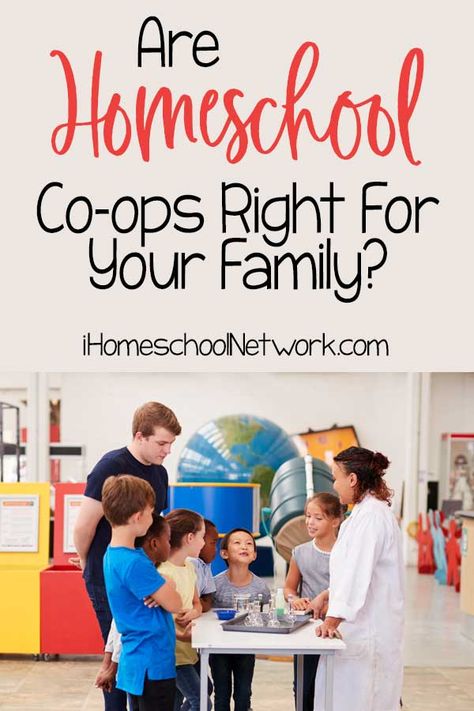
How to Start a Homeschooling Co-op
Homeschooling has become an increasingly popular choice for parents who want to take a more active role in their child’s education. One way to enhance the homeschooling experience is by joining or starting a homeschooling co-op. A homeschooling co-op is a group of families who come together to share resources, expertise, and ideas. In this article, we will explore how you can start your own homeschooling co-op.
1. Define Your Goals
Before getting started, it’s important to define your goals for the homeschooling co-op. What do you hope to achieve? Are there specific subjects or activities you would like to focus on? Consider the needs and interests of both yourself and other potential members.
2. Find Families
Reach out within your local community and online platforms dedicated to alternative schooling methods or parenting forums where you can find families interested in joining your co-op. Attend local homeschool events or create social media groups focused on connecting with potential members.
3. Determine Group Size
Decide on the ideal group size for your co-op based on factors such as available space, resources, and personal preference. Smaller groups may allow for more individualized attention, while larger groups offer diverse perspectives and opportunities for collaboration.
4. Establish Guidelines
Establish clear guidelines that outline expectations, responsibilities, rules of conduct, and any financial obligations that may arise within the co-op. This will ensure everyone understands what is expected from them upfront.
5. Choose Meeting Locations
Decide where you will hold your co-op meetings based on accessibility and availability of suitable spaces such as community centers or homes of participating families.
6. Plan Curriculum & Activities
Collaborate with other members in determining the curriculum and activities that best align with your goals as a group while considering each family’s preferences and strengths.
7. Delegate Responsibilities
Divide responsibilities among participating families according to their areas of expertise and interests. This can include teaching specific subjects, organizing field trips, or managing administrative tasks such as scheduling and record-keeping.
8. Establish a Schedule
Create a schedule that works for all families involved. Consider the availability of parents and children, balancing academic subjects with extracurricular activities, and ensuring appropriate breaks throughout the day.
9. Set Attendance Expectations
Decide on attendance expectations for members to ensure commitment to the co-op’s success while allowing flexibility for occasional absences due to personal reasons or family vacations.
10. Share Resources
Encourage families to share resources such as textbooks, educational materials, and online subscriptions. This not only helps reduce costs but also promotes collaboration among members.
11. Arrange Field Trips & Events
Organize regular field trips and events that align with your curriculum or offer unique learning opportunities outside of the classroom setting. Visit museums, science centers, historical sites, local businesses or invite guest speakers relevant to your studies.
12. Foster Social Connections
Promote socialization among homeschooling children by organizing regular playdates or group outings outside of academic settings. Encourage parents to connect through parent-led workshops or social gatherings as well.
13. Evaluate Regularly
Set aside time periodically to evaluate the progress of your co-op and make necessary adjustments based on feedback from participating families. Regular evaluations will help maintain a healthy learning environment for everyone involved.
14. Seek Professional Guidance (Optional)
If desired, you may choose to seek professional guidance from experienced homeschooling educators or consultants who can provide valuable advice and support in running a successful co-op.
Starting a homeschooling co-op can be an enriching experience both for parents and children alike. By following these steps outlined above, you’ll be well on your way towards creating a thriving community where homeschoolers can come together to learn collaboratively while enjoying the benefits of shared resources and experiences.
 Alternative Amie
Leave a comment