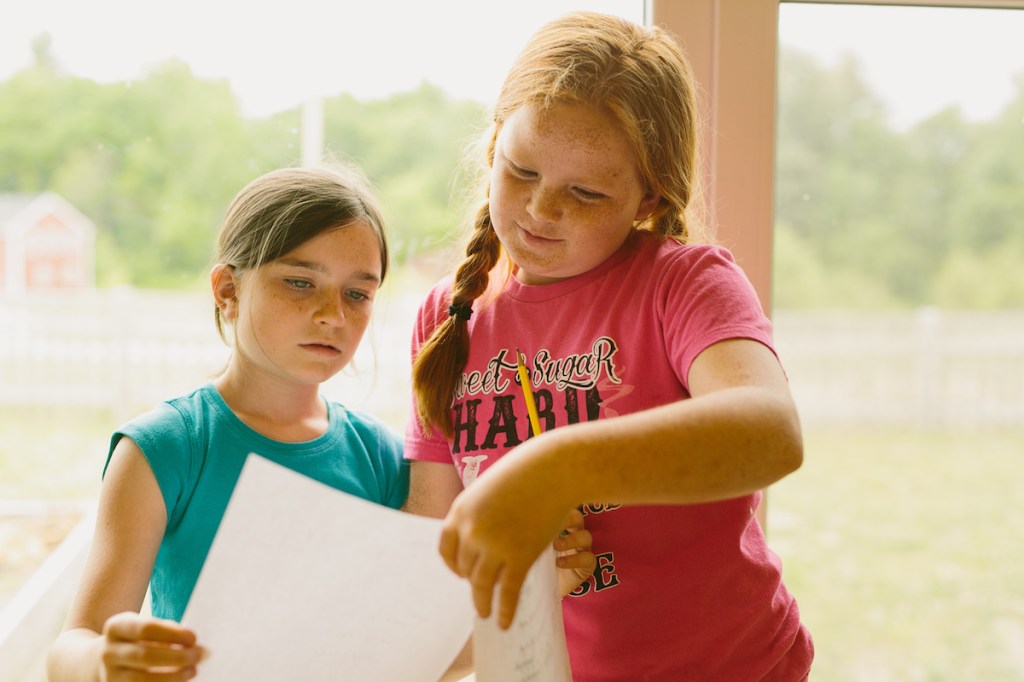
In multiage classrooms, building relationships with students is essential for creating a positive and inclusive learning environment. These classrooms consist of students from different age groups, allowing them to learn from and support each other. Here are some effective strategies for fostering strong relationships in multiage classrooms.
Firstly, it is important to establish clear expectations and rules that promote respect and cooperation among all students. This helps create a sense of community and ensures a safe space for everyone. Teachers can involve students in the process by discussing and collectively setting these guidelines.
Secondly, implementing cooperative learning activities encourages collaboration between students of different ages. Group projects or pair work allow younger children to learn from older ones while giving older children an opportunity to reinforce their knowledge by teaching others. This not only builds meaningful connections but also enhances academic skills.
Furthermore, providing opportunities for peer mentoring strengthens relationships in multiage classrooms. Older students can serve as mentors or buddies to younger ones, offering guidance and support both academically and socially. Pairing up students this way fosters empathy, understanding, and mutual respect among classmates.
Building on this idea of peer mentorship, organizing cross-age tutoring sessions benefits both parties involved. Younger learners gain valuable assistance from older peers while the older ones develop leadership skills through teaching and explaining concepts.
Additionally, incorporating team-building activities into daily routines helps build trust among students in a multiage classroom setting. These activities can include ice-breakers at the beginning of the school year or group challenges throughout the year that require teamwork to succeed.
Moreover, establishing regular one-on-one time with each student allows teachers to understand individual needs better while strengthening student-teacher relationships. This dedicated time provides an opportunity for open communication about personal interests or concerns that may arise during class.
Lastly, celebrating diversity within the classroom promotes inclusivity and creates a welcoming atmosphere for all students regardless of age or background. Teachers can incorporate multicultural materials into lessons or encourage discussions about various cultures, fostering appreciation and understanding among students.
In conclusion, building relationships with students in multiage classrooms is crucial for creating a supportive and inclusive learning environment. By setting clear expectations, promoting cooperative learning, encouraging peer mentoring and tutoring sessions, incorporating team-building activities, providing individual attention, and celebrating diversity, teachers can establish strong connections between students of different ages. These strategies not only enhance the academic experience but also contribute to the overall growth and development of each student in a multiage classroom.
 Alternative Amie
Leave a comment