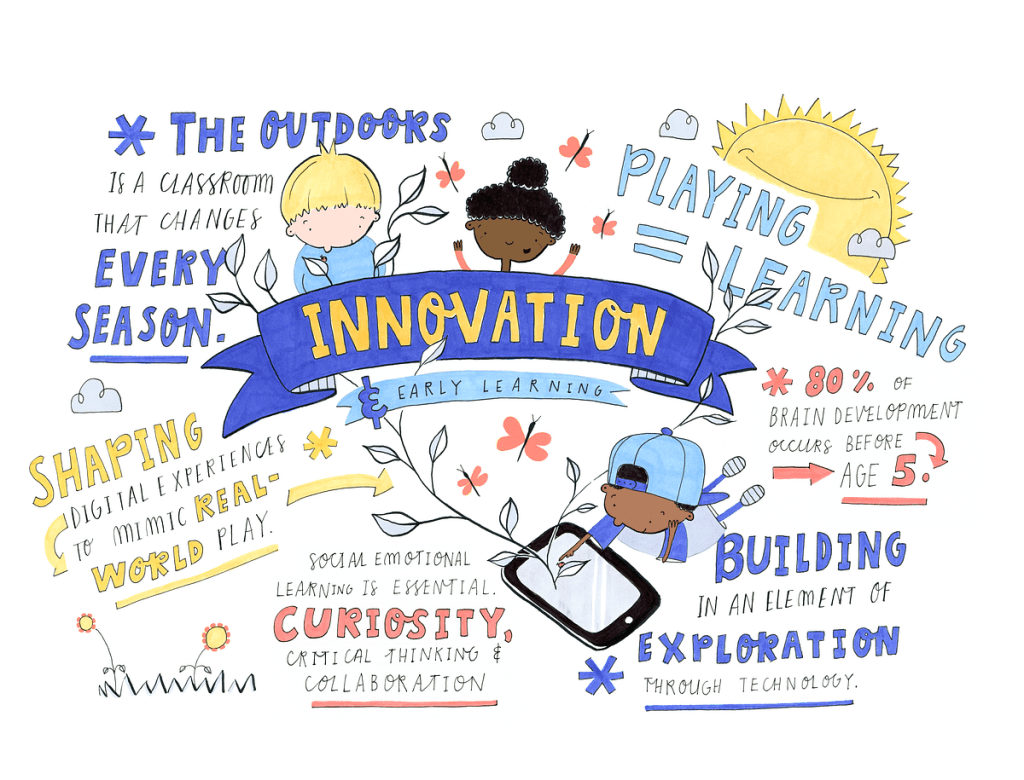
In today’s rapidly changing world, it is becoming increasingly important for educators to explore and implement alternative approaches to schooling and education. Traditional methods of teaching and learning may not always be effective or suitable for all students, which is why it is crucial to consider innovative strategies that can better meet their diverse needs. In this spotlight on organization style post, we will delve into some unique educational practices that are gaining momentum in the field of alternative schooling and education.
17. Social-emotional learning (SEL): Social-emotional learning focuses on developing students’ emotional intelligence and social skills. It emphasizes the importance of self-awareness, self-management, social awareness, relationship skills, and responsible decision-making. By integrating SEL into the curriculum, schools aim to create a supportive environment where students feel valued and empowered.
18. Culturally responsive teaching: Culturally responsive teaching recognizes and respects the cultural backgrounds of students by incorporating their lived experiences into the classroom. This approach promotes inclusivity by valuing diversity and fostering a sense of belonging among students from different ethnicities, races, religions, or socioeconomic backgrounds.
19. Personalized learning: Personalized learning tailors instruction to individual student needs, interests, strengths, and weaknesses. It allows learners to progress at their own pace while providing them with relevant content that aligns with their goals and aspirations. This approach encourages independent thinking and helps foster deeper engagement in the learning process.
20. Nature-based education: Nature-based education reconnects students with nature as an integral part of their learning experience. It takes place outdoors or incorporates natural environments into the curriculum across various subjects such as science, art, math, literature etc., allowing children to develop a deep appreciation for nature while acquiring academic knowledge.
21.Community partnerships in education: Community partnerships involve collaborating with local organizations or businesses to enrich the educational experience for students beyond traditional classroom settings.This collaboration can provide real-world context for academic concepts as well as opportunities for internships, mentorships, and community service projects.
22. Homeschooling co-ops: Homeschooling co-ops are formed by groups of families who come together to share the responsibility of educating their children. Parents take turns teaching different subjects or hire specialized tutors for specific areas of expertise. This approach provides opportunities for socialization, cooperative learning, and pooling resources while allowing parents to have more control over their child’s education.
23. Self-directed learning: Self-directed learning empowers students to take ownership of their education by allowing them to choose what and how they learn. It encourages curiosity, critical thinking skills, problem-solving abilities, and self-motivation. Teachers act as facilitators and guides rather than dictating the entire curriculum.
24. Multicultural education: Multicultural education aims to foster a greater understanding and appreciation of diverse cultures within the classroom environment. It promotes cultural competency among students by incorporating multicultural literature, history, art forms, traditions,and perspectives into the curriculum.This helps create an inclusive atmosphere where all students feel valued and respected.
25.Critical thinking skills development: Critical thinking skills are essential in today’s complex world where information is readily available but often misleading or biased.Developing critical thinking skills involves analyzing information objectively, questioning assumptions,solving problems creatively,and making informed decisions.Teachers can incorporate activities that encourage analysis,discussion,and independent thought into the curriculum across various subjects which will enable students to become independent thinkers capable of navigating through an ever-changing society.
These alternative educational practices offer fresh perspectives on teaching and learning that go beyond traditional methods.They prioritize student-centered approaches that consider individual needs,cultural backgrounds,and personal interests.As educators continue to explore new ways of engaging students,it is crucial to embrace these innovative strategies as powerful tools for cultivating lifelong learners who are prepared for success in an increasingly diverse world
 Alternative Amie
Leave a comment