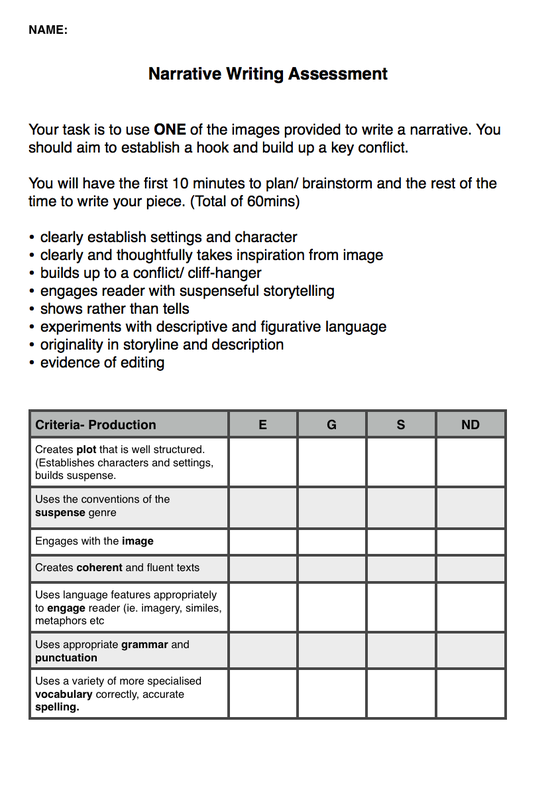
Assessments play a crucial role in evaluating student learning and growth. Traditional assessments often focus on multiple-choice questions or standardized tests, which may not capture the full range of skills and abilities that students possess. Narrative assessments offer an alternative approach to evaluate student engagement, creativity, critical thinking skills, social-emotional development, problem-solving abilities, communication skills, cultural competency, collaboration and teamwork skills, self-reflection and metacognitive abilities, resilience and perseverance.
One of the key benefits of narrative assessments is their ability to engage students in the learning process. When students are asked to share their ideas through storytelling or narratives, they become active participants rather than passive recipients of information. This can lead to increased motivation and investment in their own learning journey.
Moreover, narrative assessments provide valuable insights into students’ creativity and critical thinking skills. Traditional assessments often focus on convergent thinking – finding a single correct answer – whereas narratives encourage divergent thinking by allowing for multiple perspectives and interpretations. Through storytelling or creating narratives around a specific topic or prompt, students can demonstrate their ability to think outside the box and generate unique ideas.
Additionally, narrative assessments serve as a powerful tool for evaluating social-emotional development. By asking students to reflect on their own experiences or emotions through storytelling or writing narratives about personal growth journeys, educators can gain deeper insights into students’ self-awareness, empathy towards others’ experiences, resilience in overcoming challenges faced during the learning process.
For alternative schooling environments that prioritize creative teaching methods such as project-based learning (PBL), incorporating narrative assessments aligns well with this approach. PBL encourages students to work collaboratively on real-world projects where they must apply knowledge from various disciplines. By assessing project outcomes through narratives instead of traditional exams or quizzes allows educators to gauge how effectively students have synthesized interdisciplinary concepts while also showcasing their creativity in communicating complex ideas.
Problem-solving abilities are also easily evaluated through narrative assessment strategies. Instead of presenting problems with limited options for solutions, educators can task students with writing narratives that detail their problem-solving process. This approach allows students to think critically and reflect on the steps they took to arrive at a solution, providing insights into their analytical thinking skills.
Narratives assessments are also well-suited for evaluating growth mindset in alternative education settings. By asking students to reflect on challenges they have faced and how they have grown from them, educators can assess whether students have developed a growth mindset – the belief that abilities can be developed through effort and perseverance. Through storytelling or writing narratives about personal growth experiences, students can showcase their ability to embrace challenges and persist in the face of setbacks.
Furthermore, narrative assessments provide opportunities to evaluate communication skills. Students must effectively convey ideas and concepts through storytelling or written narratives. This requires not only strong writing skills but also the ability to organize thoughts coherently, use descriptive language effectively, and engage an audience.
Cultural competency is another important skill that can be assessed through narrative-based assessments in alternative schooling environments. By asking students to write narratives from different cultural perspectives or incorporating cross-cultural storytelling exercises into assessments, educators can gauge students’ understanding of diverse cultures and their ability to empathize with people from various backgrounds.
Incorporating student voice and choice is essential in alternative education settings where personalized learning approaches are valued. Narrative-based assessments provide an opportunity for students to express themselves authentically by choosing topics or prompts that resonate with them personally. This allows educators to gain deeper insights into individual interests, strengths, challenges faced by each student while fostering a sense of ownership over their own learning journey.
With the advent of technology in education, digital storytelling has emerged as a popular tool for narrative assessment practices in alternative schooling environments. Students can create multimedia presentations combining texts, images, audio recordings or videos which allow them to demonstrate creativity while developing technological literacy skills simultaneously.
Interdisciplinary learning is often emphasized in alternative schools as it encourages connections between various subjects. Narrative assessments offer a valuable approach to evaluate interdisciplinary learning outcomes. By asking students to create narratives that integrate concepts and ideas from different disciplines, educators can assess their ability to make meaningful connections between diverse areas of knowledge.
Environmental awareness and sustainability are vital topics in education today. Through narrative-based assessments, students can explore these issues in depth by creating stories or narratives centered around environmental themes. This allows educators to evaluate students’ understanding of environmental concepts, as well as their ability to think critically about solutions for addressing environmental challenges.
Collaboration and teamwork are essential skills for success in alternative schooling environments where group projects are often emphasized. Narrative assessments provide an opportunity for students to reflect on their collaborative experiences while working on team projects. Students can write narratives that highlight effective communication, conflict resolution, and other collaboration skills they have developed throughout the project.
In addition to evaluating academic abilities, narrative assessments also allow educators to assess self-reflection and metacognitive abilities – the ability to think about one’s own thinking processes. By asking students to reflect on their learning journey through storytelling or writing narratives about personal growth and development, educators gain insights into how well students understand their own strengths, weaknesses, and areas for improvement.
Resilience and perseverance are critical traits for success in alternative education settings where students may face unique challenges or unconventional approaches towards learning. Through narrative assessments focused on personal growth experiences or overcoming obstacles faced during the learning process, educators can evaluate how well students demonstrate resilience in dealing with setbacks.
Community engagement and service-learning activities play an important role in alternative schooling environments as they help connect classroom learning with real-world contexts. Incorporating community engagement into narrative-based assessments allows students not only to showcase what they have learned but also how they have applied this knowledge outside of the classroom setting.
Narrative assessment strategies can be powerful tools for evaluating global citizenship skills through cross-cultural storytelling exercises or narratives focused on global issues such as poverty, human rights, or climate change. By asking students to create narratives that explore these topics from a global perspective, educators can assess their understanding of diverse cultures and their ability to think critically about global challenges.
In conclusion, narrative assessments offer alternative approaches to evaluating various aspects of student learning and growth in alternative schooling environments. From assessing creativity and critical thinking skills to evaluating social-emotional development, problem-solving abilities, communication skills, cultural competency, collaboration and teamwork skills, self-reflection and metacognitive abilities, resilience and perseverance – narrative-based assessment strategies provide valuable insights into the holistic development of students. By incorporating storytelling or narratives into assessment practices in alternative education settings, educators can foster student engagement while gaining deeper insights into individual strengths, areas for improvement and unique journeys towards personal growth.
 Alternative Amie
Leave a comment