Entrepreneurship and Small Business Management in the Maker Space Industry: A Comprehensive Guide
Introduction:
In recent years, the maker space industry has gained significant traction. These collaborative workspaces offer individuals a place to create, innovate, and bring their ideas to life. As more people explore their entrepreneurial ambitions in this domain, it is essential to understand the fundamentals of entrepreneurship and small business management specific to the maker space industry. In this comprehensive guide, we will explore everything you need to know about starting and managing a successful small business in the maker space industry.
1. What is a maker space?
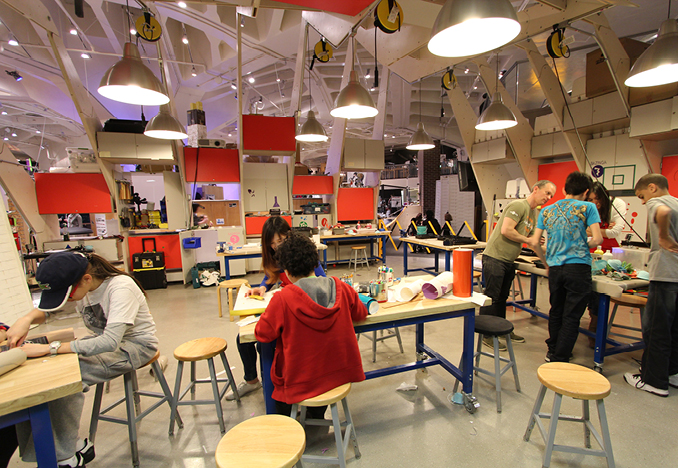
A maker space is a community-oriented facility that provides access to tools, equipment, and resources for individuals who want to design, build, or prototype various products or projects. These spaces typically offer shared workstations or private studios along with specialized equipment like 3D printers, laser cutters, woodworking tools, electronics components, etc.
2. Identifying opportunities:
Before diving into entrepreneurship in the maker space industry, it’s crucial to identify potential opportunities that align with your skills and interests. Research market trends and identify gaps where your unique expertise can add value. Consider factors such as local demand for specific products/services and target audience preferences.
3. Developing a business plan:
Once you have identified an opportunity worth pursuing within the maker space industry, it’s time to develop a solid business plan. This plan should include details about your target market segment(s), competitive analysis of existing businesses in the area or online platforms similar to yours if applicable), marketing strategies (both online and offline), financial projections (including startup costs), operational procedures (how you will manage inventory/ordering materials) etc.
4. Funding options:
Securing adequate funding is often crucial for getting any small business off the ground successfully. Several funding options are available specifically tailored for entrepreneurs entering the maker space industry:
a) Bootstrapping: Using personal savings or funds from friends/family to finance your venture.
b) Crowdfunding: Platforms like Kickstarter and Indiegogo allow you to raise capital from a large pool of individuals who support your idea or project.
c) Grants and subsidies: Many local and national organizations offer grants and subsidies for entrepreneurs in the maker space industry. Research these opportunities relevant to your location.
d) Loans and investors: Traditional bank loans or seeking investment from angel investors or venture capitalists can provide additional financial backing for your small business.
5. Setting up your maker space:
To establish a successful maker space, consider the following steps:
a) Location: Find a suitable location that is easily accessible for potential customers while also considering factors such as rent costs, zoning regulations, and proximity to suppliers if applicable.
b) Equipment and tools: Invest in high-quality equipment based on the type of projects/services you plan to offer. This may include 3D printers, CNC machines, soldering stations, woodworking equipment, etc.
c) Safety measures: Ensure compliance with safety standards by providing proper ventilation systems, fire extinguishers, protective gear (goggles, gloves), etc., depending on the nature of activities conducted within your space.
d) Staffing requirements: Assess whether you will need additional staff members to manage day-to-day operations or assist customers with their projects. Hire individuals with relevant skills/experience who align with your company’s vision.
e) Membership options: Determine different membership packages (e.g., hourly rates vs. monthly subscriptions), offering flexibility based on customer preferences. Consider tiered pricing models that cater to various budgets while ensuring profitability for your business.
6. Building a community:
One of the significant advantages of operating within the maker space industry is being part of a vibrant community of like-minded individuals passionate about creating innovative solutions. Foster this sense of camaraderie by hosting workshops/classes/seminars where makers can share knowledge and learn new skills from each other. Encourage collaboration and networking among your members by organizing regular meetups or events.
7. Marketing and promotion:
Effectively marketing your small business is vital for attracting customers to your maker space. Utilize both online and offline strategies, including:
a) Social media presence: Create accounts on platforms like Instagram, Facebook, and Twitter to showcase projects, share updates about events/workshops, and engage with potential customers.
b) Online advertising: Consider running targeted ads on platforms such as Google Ads or social media channels to reach a wider audience.
c) Local partnerships: Collaborate with local businesses/organizations that align with your target market to cross-promote each other’s services. This can include hosting joint events or offering discounts to their customers in exchange for exposure.
d) Word-of-mouth referrals: Encourage satisfied customers to spread the word about your maker space through referral programs or incentives (e.g., discounts on future memberships).
Conclusion:
Entrepreneurship in the maker space industry offers exciting opportunities for innovative individuals passionate about bringing their ideas to life. By understanding the unique aspects of starting and managing a small business within this domain, you can navigate challenges effectively while building a successful venture. Remember that adaptability, continuous learning, and fostering a supportive community are key ingredients for long-term success in this dynamic industry.
 Alternative Amie
Leave a comment