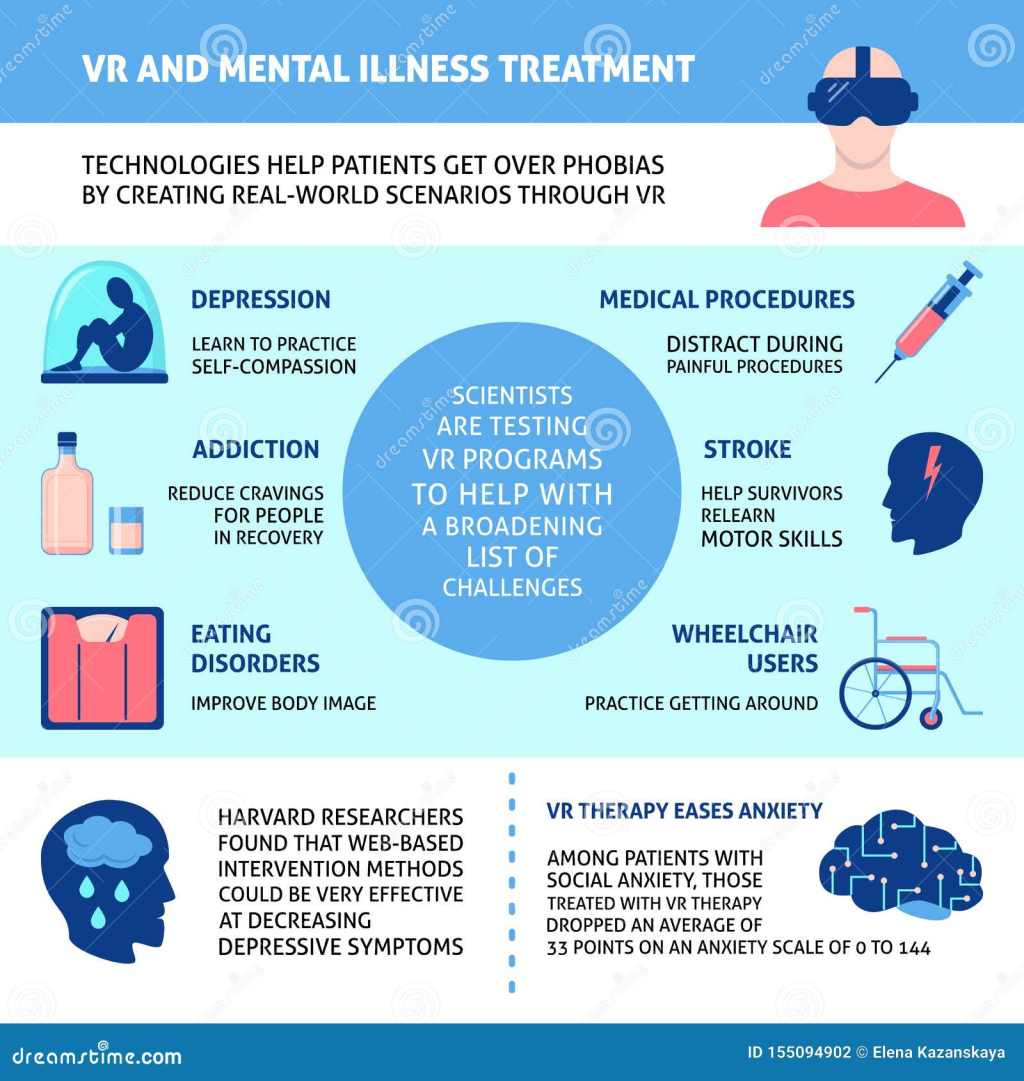
Virtual schools have become increasingly popular in recent years, offering a flexible and convenient alternative to traditional brick-and-mortar education. While virtual schools provide many benefits, it’s essential to ensure that students’ mental health needs are adequately supported in this unique learning environment. In this article, we will address some frequently asked questions about mental health support in virtual schools.
Q: How can virtual schools support the mental health of their students?
A: Virtual schools can promote mental well-being by implementing various strategies. They can offer access to qualified school counselors who are available for one-on-one consultations via video conferencing or phone calls. Additionally, virtual schools can create online communities where students can interact with peers and develop social connections, reducing feelings of isolation.
Q: Are there any specialized resources available for students struggling with mental health issues?
A: Yes, many virtual schools collaborate with external organizations or employ dedicated staff members to provide additional mental health resources. These may include access to therapists or psychologists who offer counseling services remotely or web-based platforms that provide self-help tools and resources for managing stress, anxiety, and depression.
Q: What proactive measures can virtual schools take to promote positive mental health?
A: Virtual schools should prioritize ongoing training for teachers on recognizing signs of distress or behavioral changes that may indicate a student is struggling mentally. Teachers play a crucial role in identifying these concerns early on and connecting students with appropriate support systems.
In addition, promoting healthy habits such as regular exercise breaks during the day and encouraging open communication between parents/guardians, teachers, and counselors can help create an environment where students feel comfortable seeking help when needed.
Q: How do virtual schools handle crisis situations related to mental health?
A: Virtual schools typically have protocols in place to handle emergencies regarding students’ well-being. These protocols may involve contacting emergency services if necessary or reaching out immediately to parents/guardians so they can ensure the student’s safety.
It is important for virtual schools to have clear crisis management plans and policies that are communicated with staff, students, and parents/guardians. These measures help ensure a swift response when addressing mental health emergencies.
In conclusion, mental health support is a vital aspect of virtual schooling. By offering counseling services, specialized resources, proactive measures, and crisis management protocols, virtual schools can create an environment where students feel supported in their educational journey while prioritizing their mental well-being.
 Alternative Amie
Leave a comment