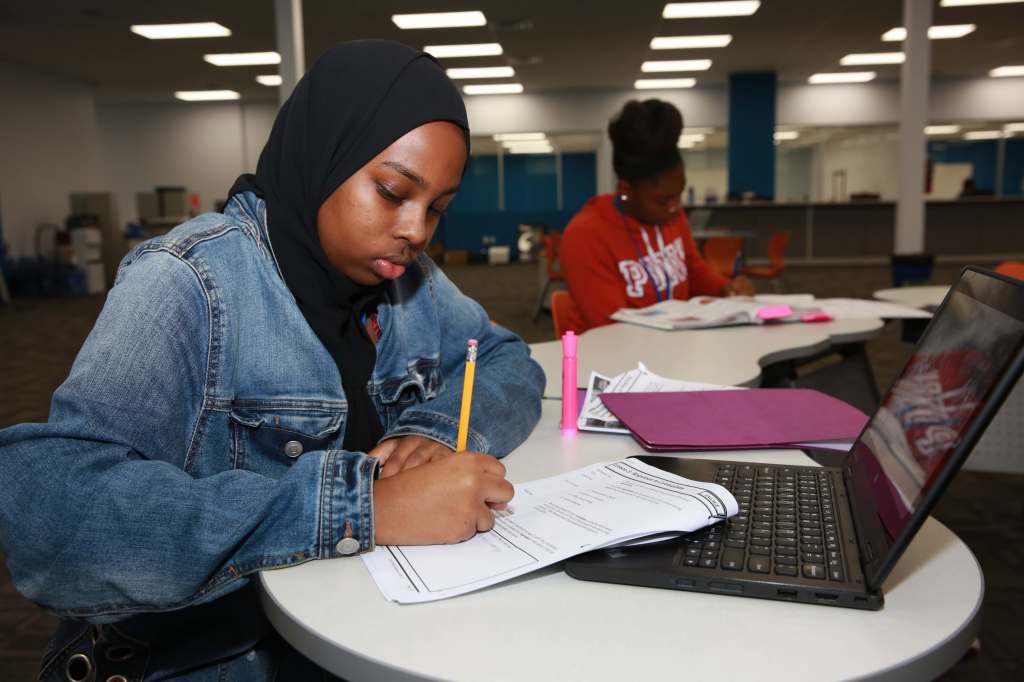
Alternative schooling has gained popularity in recent years as a viable option for students seeking a different approach to education. These schools offer unique learning environments that focus on individualized instruction, student autonomy, and hands-on experiences. While the benefits of alternative schooling are well-known, it is important to assess and evaluate various aspects of these educational systems to ensure their effectiveness. In this article, we will explore 20 different self-assessment techniques and strategies that can be used to measure and enhance various skills and competencies within alternative education settings.
1. The Impact of Alternative Schooling on Social Skills Development
Social skills development is a crucial aspect of any educational system. Alternative schools often provide opportunities for students to interact with peers from diverse backgrounds and engage in collaborative projects. To assess social skills development in these environments, teachers can use self-assessment tools such as peer evaluations or reflective journals where students can reflect on their interactions with others.
2. Self-Assessment Techniques for Project-Based Learning in Alternative Education
Project-based learning is a common approach used in alternative schools to foster creativity, critical thinking, and problem-solving abilities among students. To assess their progress in project-based learning, students can engage in self-assessment activities such as creating portfolios showcasing their work or participating in group discussions where they share their project outcomes.
3. Exploring Different Learning Styles and Self-Assessment Strategies in Alternative Schools
Alternative schools often cater to diverse learning styles by offering personalized instruction tailored to individual needs. To assess the effectiveness of this approach, teachers can encourage students to reflect on their preferred learning styles through surveys or questionnaires. This information can help educators tailor instructional methods accordingly.
4. The Role of Self-Reflection in Fostering Personal Growth in Alternative Education
Self-reflection plays a vital role in personal growth and development within alternative education settings. Students can be encouraged to engage in regular self-reflection exercises such as journaling or setting personal goals for academic or personal growth. Teachers can provide guidance and feedback to help students assess their progress.
5. Assessing Emotional Intelligence in Alternative Schooling Environments
Emotional intelligence is an important skill that contributes to overall well-being and success in life. To assess emotional intelligence, alternative schools can use self-assessment tools such as emotional intelligence questionnaires or reflection exercises that prompt students to evaluate their own emotions and reactions in different situations.
6. Self-Assessment Tools for Evaluating Creativity and Innovation in Alternative Education
Alternative schools often emphasize creativity and innovation as essential skills for future success. To assess these abilities, teachers can provide opportunities for students to engage in creative projects and then ask them to reflect on their creative process, problem-solving strategies, and the outcomes they achieved.
7. The Importance of Self-Directed Learning and Assessment in Alternative Schools
Self-directed learning is a key component of alternative education systems. To assess self-directed learning, teachers can encourage students to set goals, create action plans, track their progress independently, and reflect on their achievements through regular self-assessments.
8. Assessing Critical Thinking Skills in Non-Traditional Educational Settings
Critical thinking skills are highly valued within alternative schooling environments as they promote independent thinking and problem-solving abilities. Teachers can use various assessment techniques such as open-ended questions or case studies where students need to analyze information critically and present logical arguments or solutions.
9. Self-Assessment Methods for Evaluating Problem-Solving Abilities in Alternative Education
Problem-solving is a fundamental skill developed within alternative education settings. Students can be asked to solve real-world problems individually or collaboratively through projects or simulations while reflecting on their problem-solving approaches through self-assessments.
10. Exploring Self-Assessment Practices for Promoting Resilience and Adaptability in Alternative Schooling
Resilience and adaptability are crucial skills necessary for navigating the challenges of life successfully. Teachers can facilitate self-assessments by encouraging students to reflect on their ability to bounce back from setbacks, adapt to change, and develop strategies for personal growth.
11. Assessing Communication Skills and Collaboration Abilities within Alternative Education Systems
Alternative schools often emphasize communication skills and collaboration as essential components of a well-rounded education. Teachers can assess these skills by observing students’ participation in group discussions, engaging in peer evaluations, or providing reflective prompts that encourage self-assessment of communication abilities.
12. The Role of Self-Assessment in Developing Time Management Skills for Independent Learners
Time management is a vital skill for success in alternative schooling environments where students have more autonomy over their learning. To assess time management skills, teachers can ask students to create schedules or timelines for completing tasks and then reflect on their effectiveness through self-assessment exercises.
13. Evaluating Personal Motivation and Goal-Setting Strategies within an Alternative School Context
Personal motivation and goal-setting are key factors that contribute to academic success. Teachers can use self-assessment techniques such as goal-setting worksheets or reflection journals where students evaluate their progress towards achieving their goals and identify areas for improvement.
14. Assessing Cultural Competency and Diversity Awareness within Non-Traditional Educational Settings
Cultural competency and diversity awareness are important aspects of alternative schooling environments that promote inclusivity and understanding among students from different backgrounds. Teachers can facilitate self-assessments by using questionnaires or reflection activities that prompt students to consider their own cultural biases, interactions with others, and understanding of diversity issues.
15. Self-Assessment Techniques for Measuring Environmental Consciousness and Sustainability Knowledge in Alternative Schooling Environments
Environmental consciousness is a crucial skill cultivated within alternative education systems that aim to create environmentally responsible citizens. Teachers can use quizzes or project-based assessments that require students to demonstrate knowledge about sustainability practices while reflecting on their personal contributions towards environmental conservation.
16. Exploring Self-Assessment Practices to Foster Digital Literacy Skills among Students in Alternative Education Systems
Digital literacy is an essential skill in today’s technology-driven world. To assess digital literacy skills, teachers can provide online assessments or ask students to create digital portfolios showcasing their proficiency in using various digital tools while reflecting on their learning experiences.
17. Assessing Financial Literacy and Entrepreneurial Mindset within an Alternative School Curriculum
Financial literacy and entrepreneurship are valuable skills that empower students to navigate the complexities of the business world. Teachers can use self-assessment techniques such as financial planning exercises or reflection activities where students explore their entrepreneurial mindset, identify strengths, and set goals for improvement.
18. The Role of Self-Assessment in Promoting Physical Health and Well-being among Students Attending Non-Traditional Schools
Physical health and well-being are crucial components of holistic education. Teachers can encourage self-assessments by asking students to track their physical activity levels, monitor sleep patterns, reflect on nutrition choices, and set goals for improving overall well-being.
19. Evaluating Mindfulness Practices and Stress Management Techniques within an Alternative Education Context
Mindfulness practices promote stress reduction and improved mental well-being. Teachers can facilitate self-assessments by providing mindfulness exercises or reflective prompts that prompt students to evaluate their ability to manage stress effectively through mindfulness techniques.
20. Assessing Global Awareness and Understanding of International Issues within an Alternative Schooling System
Global awareness is a vital skill for preparing students to be global citizens in our interconnected world. Teachers can assess global awareness through self-assessment activities such as research projects on international issues or reflections on personal experiences with diverse cultures.
In conclusion, alternative schooling offers unique educational opportunities for students seeking a different approach to learning. However, it is important to evaluate various aspects of these educational systems regularly using appropriate self-assessment techniques that measure both academic progress and personal growth across different domains. By incorporating self-assessment strategies into alternative education settings, educators can ensure that they are meeting the needs of their students while promoting lifelong learning skills necessary for success beyond the classroom.
 Alternative Amie
Leave a comment