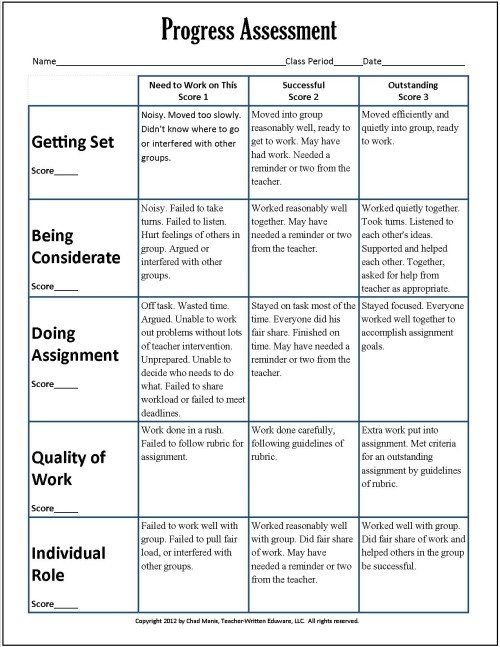
Peer Assessment: Fostering Collaboration and Empowering Students
In traditional education systems, the role of assessing students’ work has largely been held by teachers alone. However, alternative approaches to education have recognized the value of peer assessment as a powerful tool for learning and growth. Peer assessment involves students evaluating each other’s work based on predetermined criteria or rubrics.
One significant advantage of peer assessment is that it promotes collaboration among students. When students are given the opportunity to review their peers’ work, they engage in meaningful discussions and learn from each other’s strengths and weaknesses. This collaborative environment nurtures a sense of community within the classroom, where everyone feels valued as both a learner and an evaluator.
Moreover, peer assessment empowers students by giving them agency over their own learning process. By actively participating in assessing their peers’ work, students develop critical thinking skills and become more self-aware of their own abilities. They also gain confidence in giving constructive feedback, which is essential for personal development and effective communication.
Additionally, peer assessment fosters a deeper understanding of subject matter. When students evaluate others’ work using specific criteria, they must apply knowledge learned in the classroom to real-life situations. This process not only reinforces concepts but also encourages higher-order thinking skills such as analysis and synthesis.
Critics argue that peer assessment may lead to biased judgments or leniency among peers due to social dynamics or friendships within the class. However, these concerns can be mitigated by providing clear guidelines and training on how to provide objective feedback while focusing on specific criteria rather than personal preferences.
Overall, incorporating peer assessment into alternative schooling environments offers numerous benefits for student learning experiences. It cultivates collaboration, empowers learners with agency over their progress, deepens understanding of subject matter through application-based evaluation processes while simultaneously developing critical thinking skills crucial for future success beyond school walls.
 Alternative Amie
Leave a comment