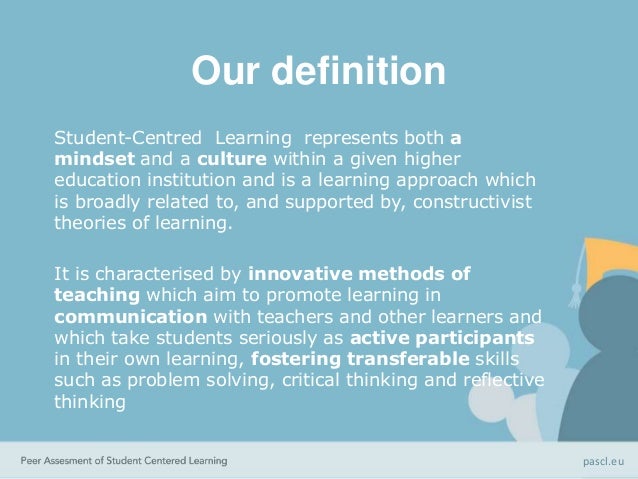
Peer assessment is a valuable tool in alternative education, as it promotes collaboration, critical thinking, and self-reflection among students. However, implementing peer assessment also comes with its own set of challenges. In this article, we will explore some of the key obstacles that educators face when incorporating peer assessment into alternative schooling and how to overcome them.
1. Lack of familiarity and understanding: One of the primary challenges in implementing peer assessment is that students may not be familiar with the concept or understand its purpose. Traditional education systems often prioritize teacher-led evaluations, making it crucial for educators to introduce and explain the benefits of peer assessment clearly.
To address this challenge, teachers can begin by discussing why peer assessment is an essential skill for lifelong learning and future professional development. They can emphasize how feedback from peers helps individuals identify their strengths and areas for improvement more effectively than sole reliance on teacher evaluation.
2. Unequal participation: Another significant challenge is ensuring equal participation from all students during the peer assessment process. Some students may feel hesitant or lack confidence in providing constructive feedback on their peers’ work.
To tackle this issue, teachers can create a supportive classroom environment that encourages open communication and mutual respect. They should emphasize that everyone’s opinions are valued and stress the importance of constructive criticism rather than personal attacks.
Furthermore, teachers can provide clear guidelines on how to give effective feedback to help ensure consistency across assessments. Teaching students specific strategies such as using “I” statements (e.g., “I think you could improve your organization by…”) instead of making generalizations helps maintain a respectful tone during discussions.
3. Bias and subjectivity: Peer assessments may be susceptible to bias due to personal relationships or preferences among students. This challenge can undermine the fairness and accuracy of evaluations if left unaddressed.
Teachers need to educate students about potential biases they might encounter during peer assessments explicitly:
– Encourage objectivity: Teach students how to assess work based on predetermined criteria rather than personal preferences. Provide rubrics or checklists that outline the specific elements to evaluate, ensuring a more objective assessment process.
– Rotate peer groups: Regularly changing peer groupings can help minimize bias stemming from familiarity or friendship. By exposing students to different perspectives, they are more likely to receive a range of constructive feedback.
4. Skill development and training: Effective peer assessment requires certain skills such as critical thinking, providing constructive feedback, and evaluating work objectively. However, not all students may possess these skills initially.
To overcome this challenge, educators should integrate explicit instruction on the principles of effective feedback within their curriculum. Teachers can model how to provide constructive criticism by using examples from real-world scenarios or samples of student work.
Additionally, dedicating time for practice sessions where students engage in mock assessments can help them develop their evaluation skills gradually. These practice sessions allow students to become comfortable with the process and gain confidence in providing meaningful feedback.
5. Time management: Incorporating peer assessment into alternative education requires careful planning and time management strategies. Assessing multiple submissions while also managing classroom activities can be overwhelming for both teachers and students alike.
To address this challenge, teachers can implement structured timelines for each step of the peer assessment process—submission deadlines for initial drafts, designated periods for reviewing peers’ work, and specific dates when final evaluations are due. Clear guidelines regarding expectations will help keep everyone on track throughout the process.
It is also essential to allocate sufficient class time for conducting assessments so that students have ample opportunity to review their peers’ work thoroughly without feeling rushed or overwhelmed.
6. Accountability and reliability: Ensuring accountability during peer assessments poses another challenge that educators must address effectively. Students need to understand the importance of taking responsibility for their evaluations seriously while maintaining honesty and integrity throughout the process.
To promote accountability:
– Establish clear guidelines: Clearly communicate expectations regarding professionalism, respectfulness, confidentiality, and ethical conduct during assessments.
– Encourage self-reflection: Ask students to reflect on their own assessments and compare them with the feedback received from peers. This reflection helps students recognize areas where they may have been biased or provided inaccurate evaluations, fostering a sense of responsibility.
– Monitor peer interactions: While it is crucial to encourage independent thinking and evaluation, teachers should also monitor the quality of feedback given during assessments. Providing periodic check-ins or reviewing a sample of evaluations ensures that students are taking the process seriously.
In conclusion, while implementing peer assessment in alternative education comes with its fair share of challenges, they can be overcome through thoughtful planning and effective strategies. By addressing issues like lack of familiarity, unequal participation, bias and subjectivity, skill development and training, time management, and accountability – educators can harness the power of peer assessment to create an environment that fosters collaboration and growth among students in alternative schooling settings.
 Alternative Amie
Leave a comment