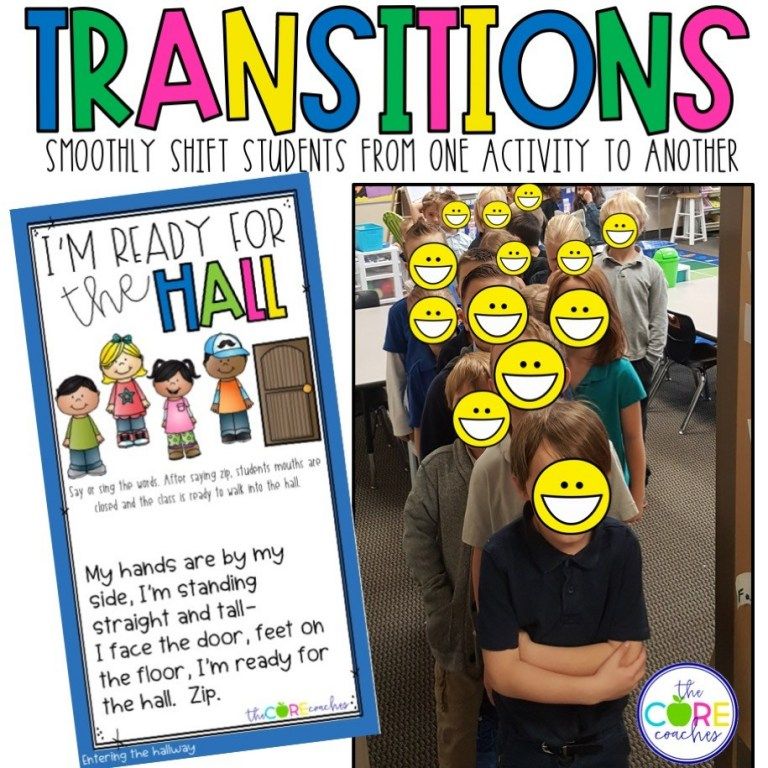
Transitioning between grade levels in a multiage classroom can be both exciting and challenging for students, parents, and teachers. Multiage classrooms are unique learning environments where students from different age groups learn together in the same space. This approach promotes collaboration, peer mentoring, and personalized learning experiences. However, it also requires careful planning to ensure smooth transitions between grade levels.
One of the key benefits of a multiage classroom is that students have the opportunity to build relationships with peers of different ages. As they progress through different grade levels within the same classroom, they develop strong connections with their classmates. These relationships provide a supportive and inclusive environment where everyone feels valued and respected.
To facilitate successful transitions between grade levels in a multiage classroom, communication plays a vital role. Teachers should openly discuss upcoming changes with their students well in advance. This can include explaining how the curriculum may differ at each level or discussing any new expectations or responsibilities they may encounter.
Parents also play an essential role in supporting their child’s transition between grades. They should maintain open lines of communication with teachers to stay informed about upcoming changes or challenges that their child might face. Additionally, parents can help by encouraging their child to embrace new opportunities for growth and development.
Teachers must plan carefully to meet the diverse needs of students across different grade levels within one class setting. They need to design instructional strategies that cater to individual learning styles while providing appropriate challenges for every student.
Incorporating project-based learning activities is an effective way to engage all learners during transitions between grade levels. By incorporating hands-on projects into the curriculum, teachers can create meaningful learning experiences that bridge gaps between concepts taught at various grade levels.
Additionally, educators should provide targeted support based on each student’s developmental stage rather than solely relying on chronological age as a determining factor for instruction. This personalized approach ensures that every student receives tailored instruction aligned with their abilities and needs.
Creating a sense of community within the multiage classroom is also essential for successful transitions. Teachers can facilitate this by organizing regular team-building activities, collaborative projects, and peer mentoring opportunities. These initiatives foster a supportive environment where students feel safe to take risks, ask questions, and seek help from their peers.
In conclusion, transitioning between grade levels in a multiage classroom requires careful planning and communication. By fostering strong relationships among students of different ages, involving parents as partners in the transition process, designing personalized instructional strategies, incorporating project-based learning activities, and creating a sense of community within the class setting, teachers can ensure smooth transitions that promote growth and development for all students.
 Alternative Amie
Leave a comment