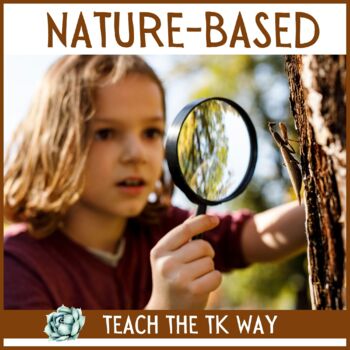
Nature-based learning is a form of education that takes place primarily in natural surroundings, allowing children to connect with and learn from the natural world around them. This alternative approach to schooling has gained popularity in recent years as parents and educators recognize the benefits it offers to children’s development.
One key aspect of nature-based learning is the emphasis on hands-on experiences. Instead of sitting at desks or listening to lectures, children are encouraged to actively explore their environment. They might go on hikes, examine plants and animals up close, build shelters, or engage in sensory activities like feeling different textures or smelling various scents found in nature. These experiences not only promote curiosity but also foster critical thinking skills as children make observations, ask questions, and draw conclusions based on their own discoveries.
In addition to hands-on experiences, nature-based learning provides numerous opportunities for physical activity. Children engage in movement as they navigate through uneven terrains, climb trees, balance on logs, or participate in outdoor games and sports. Regular exposure to fresh air and sunlight can also improve overall well-being by boosting mood and reducing stress levels.
Another benefit of nature-based learning is the promotion of environmental awareness and stewardship. By spending time immersed in nature’s beauty and complexity, children develop empathy towards living organisms and gain a deeper understanding of the interconnections between all living things. This fosters a sense of responsibility towards protecting our planet for future generations.
Nature-based learning often encourages open-ended play where children can use their imagination freely without strict guidelines or predetermined outcomes. Whether building forts out of fallen branches or creating art from natural materials like leaves and stones, this unstructured play allows for creativity to flourish while enhancing problem-solving skills.
Research has shown that immersion in nature positively impacts cognitive development as well. Studies have found that exposure to green spaces can improve attention span and concentration abilities among students. The calming effects of being surrounded by nature also reduce feelings of stress and anxiety which ultimately leads to better overall mental health.
Nature-based learning is not just limited to outdoor activities. It can be integrated into various subjects, including science, math, language arts, and even social studies. For example, children can learn about plant life cycles through hands-on gardening experiences or practice measurement skills by comparing the sizes of different rocks in a natural setting. By connecting academic concepts to real-world experiences, children are more likely to retain information and develop a deeper understanding of the subject matter.
Lastly, nature-based learning offers opportunities for social development. Children engage in cooperative tasks such as building structures together or working collaboratively on scientific investigations. They learn how to communicate effectively with their peers and develop problem-solving skills through negotiation and compromise. These interactions foster teamwork and help build strong interpersonal relationships.
In conclusion, nature-based learning provides a holistic approach to education that promotes curiosity, physical activity, environmental awareness, creativity, cognitive development, and social skills among children. By immersing themselves in the wonders of nature from an early age, students gain valuable life lessons that go beyond traditional classroom settings. Whether it’s exploring forests or tending community gardens – nature becomes their teacher while they have fun discovering our world firsthand.
 Alternative Amie
Leave a comment