Budgeting is an essential skill that everyone should possess, regardless of their circumstances. It allows us to manage our finances effectively and make informed decisions about our spending habits. For alternative schooling and education students, budgeting can be particularly important due to the unique challenges they may face.
One key aspect of budgeting is tracking expenses. This involves keeping a record of all income and expenditures, including fixed costs such as tuition fees or learning materials, as well as variable expenses like transportation or meals. By understanding where money is being spent, it becomes easier to identify areas where savings can be made.
Creating a realistic budget also means setting financial goals. Whether it’s saving for further education, investing in extracurricular activities or obtaining necessary resources, having clear objectives helps prioritize spending and avoid unnecessary purchases.
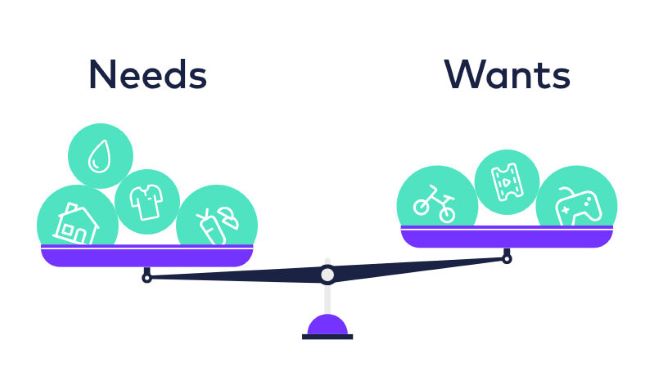
Another tip for effective budgeting is differentiating between needs and wants. While alternative schooling may require specific resources or tools for certain projects or classes, it’s crucial to distinguish between essential items and those that are merely desirable but not necessary for academic success.
Moreover, seeking out cost-effective alternatives can help stretch your budget further. This might involve borrowing textbooks from libraries instead of buying them new or exploring free online educational resources that offer similar content as paid platforms.
Lastly, adapting and adjusting your budget regularly is vital. As circumstances change throughout the school year – such as unexpected expenses or fluctuations in income – reviewing your financial plan ensures it remains relevant and achievable.
By implementing these strategies into their lives early on, alternative schooling students will develop strong financial management skills that will serve them well beyond their academic years.
 Alternative Amie
Leave a comment