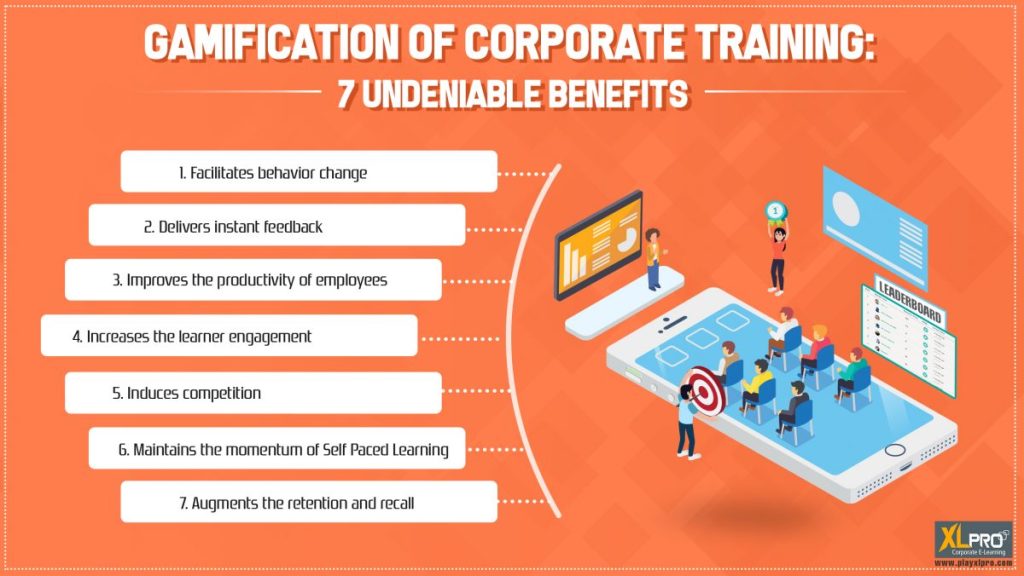
Gamification has become a popular trend in education, with many educators and schools incorporating game elements into their teaching methods. By integrating gaming principles into the learning process, teachers are finding that students become more engaged and motivated to learn. In this article, we will explore eight reasons why gamification is beneficial for education.
1. Increased Engagement: One of the primary benefits of gamification in education is its ability to capture students’ attention and keep them engaged. Games naturally have a sense of excitement and challenge, which can make learning more enjoyable for students. By making lessons interactive and turning them into games, educators can create an immersive learning environment that encourages active participation.
2. Enhanced Motivation: Gamification taps into intrinsic motivation by providing immediate feedback and rewards for accomplishments. Students feel a sense of achievement when they successfully complete a task or level up in a game-based lesson. This positive reinforcement motivates them to continue learning and striving for success.
3. Personalized Learning: Gamified education allows for individualized instruction tailored to each student’s needs and abilities. By tracking student progress within the game, teachers can identify areas where additional support is necessary or challenges need to be increased. This personalized approach helps ensure that all students are appropriately challenged without feeling overwhelmed or bored.
4. Collaboration: Many games promote collaboration among players, encouraging teamwork and cooperation skills development in an educational setting as well. Through multiplayer features or group projects integrated into gamified lessons, students learn how to work together towards common goals while improving their communication skills.
5. Problem-Solving Skills: Games often require players to think critically and strategize solutions to overcome challenges or obstacles presented throughout gameplay levels or quests similarily problem-solving scenarios come up during educational activities as well . These problem-solving skills translate directly into real-life situations outside the game context — helping students develop essential life skills such as analytical thinking, decision-making abilities, creativity, adaptability , patience etc .
6.Immediate Feedback: Gamification in education allows for instant feedback, enabling students to learn from their mistakes and make corrections quickly. This immediate response helps them understand the consequences of their actions and encourages a growth mindset by promoting continuous learning and improvement.
7. Increased Retention: Games typically involve repetition and practice to master skills or complete tasks successfully. This repeated exposure to content enhances long-term retention of information, as students are actively engaged in revisiting concepts throughout gameplay. The interactive nature of gamified lessons also stimulates different parts of the brain, making it easier for students to remember what they’ve learned.
8. Enjoyable Learning Experience: Lastly, gamification makes learning more enjoyable for students by turning potentially monotonous subjects into exciting challenges with rewards. When educational activities are transformed into games, students often view their studies as something fun rather than a chore, leading to increased enthusiasm and participation.
In conclusion, incorporating gamification into education has numerous benefits that enhance student engagement, motivation, problem-solving abilities , critical thinking etc . By creating an interactive learning environment that mirrors the elements of games we can make education more enjoyable and effective . Through personalized instruction , collaboration opportunities , immediate feedback , increased retention rates , teachers can harness the power of gamification to create a vibrant alternative schooling experience that fosters lifelong learners
 Alternative Amie
Leave a comment