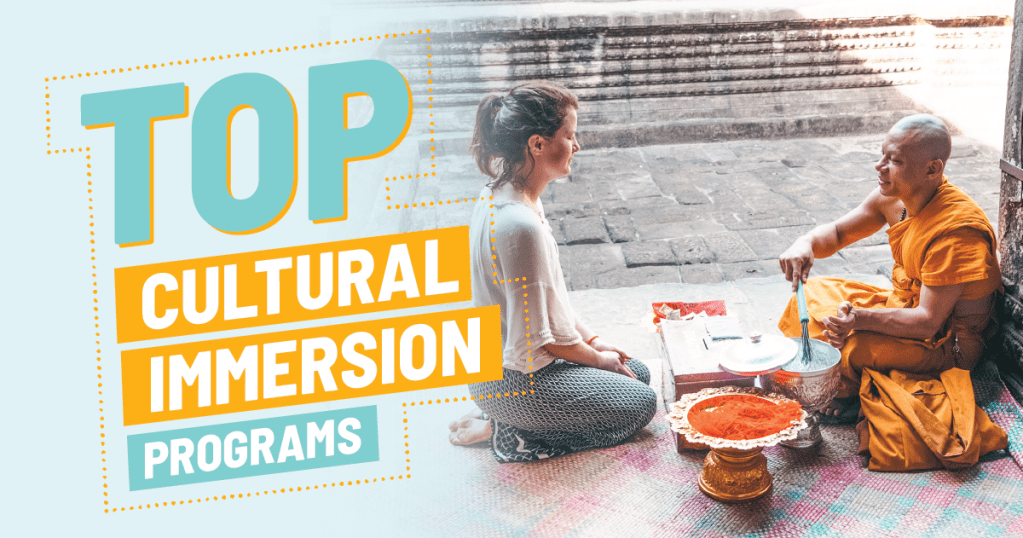
Cultural Immersion: Exploring the World Through Alternative Education
Panelists:
– Dr. Sarah Thompson, Anthropologist and Educator
– Maria Rodriguez, Parent and Advocate for Cultural Immersion
– Amara Patel, Former Student of Alternative Schooling Program
Moderator: Thank you all for joining us today to discuss the importance and benefits of cultural immersion in alternative education. Let’s start by defining what cultural immersion means within an educational context.
Dr. Thompson: Cultural immersion refers to a deep engagement with different cultures through various experiences such as living with host families, participating in local traditions, or even studying abroad. It goes beyond just learning about another culture from textbooks; it involves actively experiencing and understanding diverse perspectives firsthand.
Maria Rodriguez: Absolutely! As a parent who strongly believes in alternative education, I have witnessed how cultural immersion can broaden our children’s horizons. By exposing them to different ways of life early on, we equip them with invaluable skills like empathy, adaptability, and intercultural communication.
Amara Patel: I couldn’t agree more! My experience attending an alternative schooling program that emphasized cultural immersion was transformative. Not only did it enhance my academic knowledge but also fostered personal growth by challenging my preconceived notions about the world.
Moderator: That leads us to our next question—how does cultural immersion benefit students academically?
Dr. Thompson: Cultural immersion provides students with experiential learning opportunities that traditional classroom settings cannot offer. It encourages critical thinking skills as they navigate unfamiliar environments and engage in conversations with people from different backgrounds. This exposure also enhances their global awareness and expands their understanding of complex issues affecting our interconnected societies.
Maria Rodriguez: Additionally, when students immerse themselves in other cultures, they gain linguistic competency or proficiency in foreign languages naturally rather than solely relying on language classes or textbooks.
Amara Patel: Yes, being immersed in another culture helps students develop a deeper appreciation for the arts, history, and social sciences. It brings their studies to life and allows them to see how different cultures have shaped various aspects of society.
Moderator: What about the impact of cultural immersion on personal growth?
Maria Rodriguez: Cultural immersion fosters a sense of curiosity, open-mindedness, and tolerance in our children. By interacting with people from diverse backgrounds, they learn to appreciate diversity and value inclusivity.
Amara Patel: Absolutely! It also helps students develop self-confidence as they navigate unfamiliar environments independently. They become more adaptable, resilient, and better equipped to face challenges head-on.
Dr. Thompson: Furthermore, cultural immersion encourages introspection by challenging one’s own biases and assumptions. Students gain a deeper understanding of their own identity while respecting and valuing others’ identities.
Moderator: As we wrap up this discussion today, what advice do you have for parents or educators who want to incorporate cultural immersion into alternative education?
Dr. Thompson: Start by exposing children to diverse cultures within your local community through events or activities that celebrate different traditions. Encourage them to engage with individuals from different backgrounds and build relationships based on mutual respect.
Maria Rodriguez: Seek out alternative schooling programs that prioritize cultural immersion experiences like study abroad opportunities or partnerships with schools in other countries. These programs provide structured learning environments that facilitate transformative experiences for students.
Amara Patel: Lastly, encourage students to reflect on their experiences through journaling or group discussions. This reflection helps deepen their understanding of culture while connecting it back to their academic studies.
Moderator: Thank you all for sharing your insights today! Cultural immersion is undoubtedly a valuable aspect of alternative education that enriches both academic knowledge and personal growth in students.
 Alternative Amie
Leave a comment