Restorative Justice Practices in Schools: Creating a Safe and Inclusive Learning Environment
In recent years, there has been a growing recognition of the importance of creating safe and inclusive learning environments in schools. Traditional disciplinary measures such as suspension or expulsion have proven to be ineffective in addressing underlying issues and promoting positive behavior change among students. As a result, many educators are turning towards restorative justice practices as an alternative approach to discipline.
Restorative justice is a philosophy that focuses on repairing harm caused by misconduct rather than simply punishing the wrongdoer. It aims to foster accountability, empathy, and understanding within the school community. By involving all stakeholders – including students, teachers, parents, and administrators – in a collaborative process, restorative justice practices seek to address the root causes of conflict while promoting healing and reconciliation.
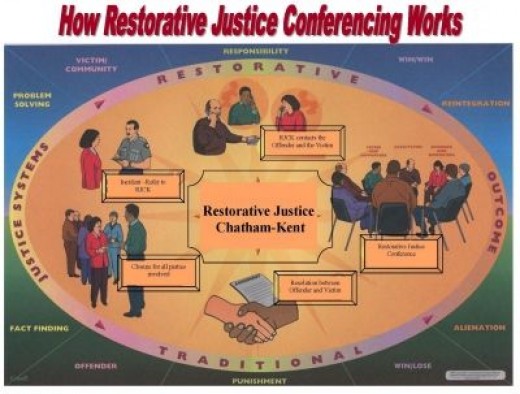
One key element of restorative justice practices is the use of circles or conferences. These structured conversations bring together individuals involved in an incident along with trained facilitators to discuss what happened, how it affected everyone involved, and what can be done to repair the harm caused. During these circles or conferences, participants are encouraged to share their feelings and perspectives openly while actively listening to others.
By giving each person equal voice and allowing them to take responsibility for their actions, restorative justice empowers students to become active participants in resolving conflicts rather than passive recipients of punishment. This approach promotes empathy as individuals gain insight into how their actions impact others. It also helps build relationships based on trust and mutual respect within the school community.
Another important aspect of restorative justice practices is the focus on repairing harm through meaningful action. Instead of serving detention or suspensions that often isolate students from their peers without addressing underlying issues, restorative justice encourages offenders to make amends directly with those they have harmed. This may involve apologies, restitution for damages incurred, or engaging in community service projects aimed at benefiting both the offender’s personal growth and broader society.
Restorative justice practices also recognize the importance of prevention and proactive measures to promote positive behavior within schools. Rather than waiting for conflicts to arise, educators using restorative justice seek to create a supportive school culture where students feel valued, respected, and connected. This can be achieved through regular community-building activities such as class meetings or restorative circles that foster relationships among students and improve communication skills.
Furthermore, restorative justice practices emphasize the importance of ongoing professional development for teachers and staff members. Training in restorative principles equips educators with the necessary tools to effectively implement these practices in their classrooms. By learning alternative strategies for managing conflict and building relationships, teachers are better equipped to create a safe and inclusive learning environment that supports the holistic development of their students.
Research has shown promising outcomes associated with the implementation of restorative justice practices in schools. Studies indicate a decrease in disciplinary referrals, suspensions, and expulsions when compared to traditional punitive approaches. Additionally, schools practicing restorative justice report higher levels of student engagement, increased attendance rates, improved academic performance, and enhanced overall school climate.
However, it is important to note that implementing restorative justice practices requires commitment from all stakeholders involved. It necessitates a shift away from punitive models towards an approach rooted in empathy, understanding, and collaboration. Schools must invest resources into training facilitators who can guide circles or conferences effectively while creating a space where participants feel safe sharing their experiences.
In conclusion, restorative justice practices offer a transformative approach to discipline within educational settings by fostering accountability while promoting healing and reconciliation. By engaging all members of the school community in respectful dialogue aimed at repairing harm caused by misconducts rather than simply punishing offenders indiscriminately; these practices contribute significantly towards creating safe and inclusive learning environments conducive to growth and success for all students involved.
 Alternative Amie
Leave a comment