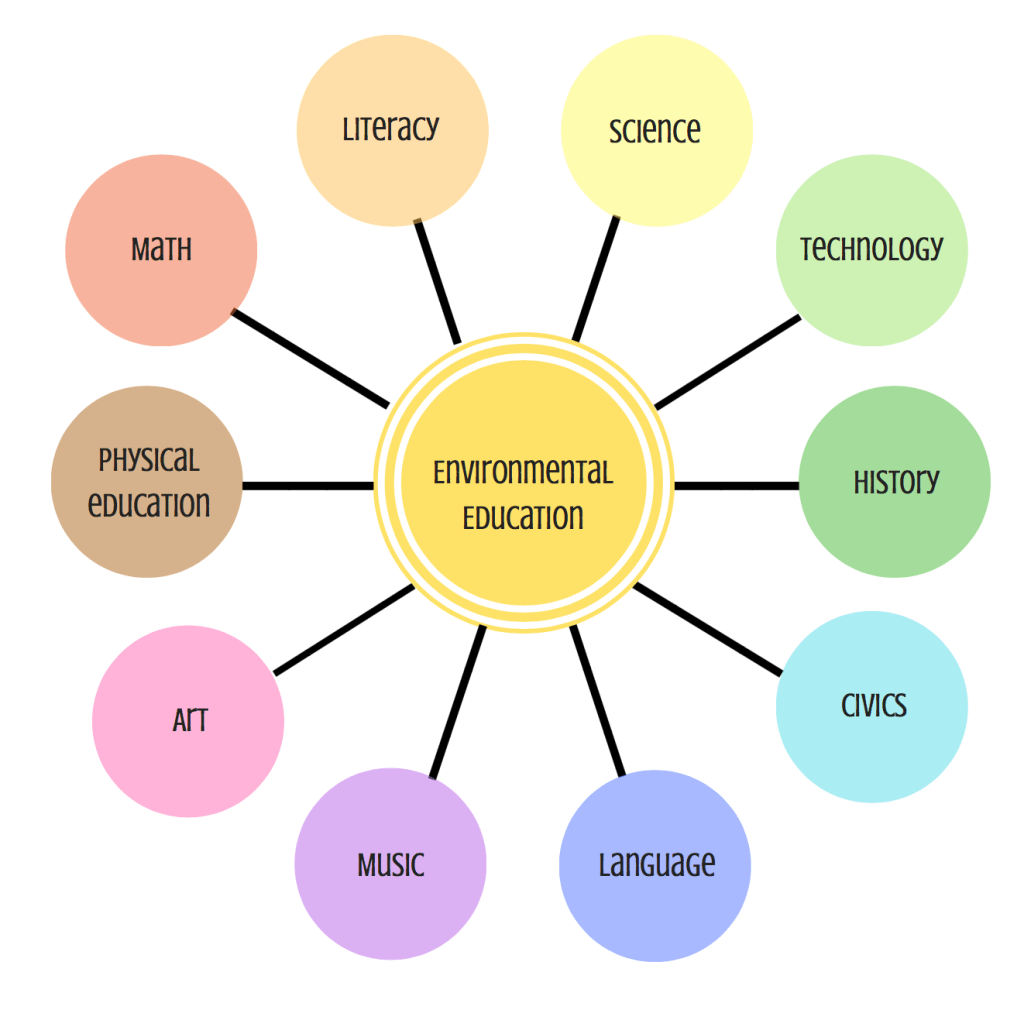
Open Educational Resources (OER) have revolutionized the way we access educational materials, making quality resources freely available to all. In the field of environmental education, OER has played a significant role in promoting sustainability and creating awareness about pressing environmental issues. From lesson plans and textbooks to videos and interactive activities, there is a vast array of OER specifically designed for environmental education.
In this article, we will explore some of the best Open Educational Resources available for environmental education. Whether you are a teacher looking for engaging classroom materials or an individual interested in learning more about the environment, these resources will provide valuable insights into various aspects of environmental education.
1. The Environmental Protection Agency’s “Teach” Website:
The United States Environmental Protection Agency (EPA) offers an extensive collection of educational resources through its “Teach” website. This platform includes lesson plans, videos, games, and other multimedia tools for teachers and students alike. The content covers topics such as air quality, water conservation, climate change, waste management, and more.
2. National Geographic Education:
National Geographic Education provides free teaching resources that focus on exploration and understanding of our natural world. Their website offers lesson plans aligned with national standards along with stunning photographs and videos that bring the subject matter to life. Additionally, National Geographic’s Learning Framework emphasizes critical thinking skills while fostering curiosity about our planet.
3. Earth Day Network:
Earth Day Network offers comprehensive educational materials related to environmental issues on their website. Their resources cover a wide range of topics like biodiversity loss, deforestation,
pollution control strategies, sustainable development practices,
and renewable energy sources.
These materials are suitable for both formal classroom settings as well as informal learning environments.
4. Khan Academy:
Khan Academy is known for its extensive library covering various subjects from math to history; however,
it also features a section dedicated to ecology and biology.
Their interactive lessons help learners understand concepts such as ecosystems,
food chains, and climate change.
Videos, quizzes, and practice exercises make the learning experience engaging and effective.
5. OpenStax:
OpenStax is a nonprofit organization that offers free textbooks and other educational materials. Their environmental science textbook provides a comprehensive overview of the subject,
covering topics like ecosystems, biodiversity,
pollution, energy resources, and climate change.
These textbooks are peer-reviewed, ensuring high-quality content for learners.
6. TED-Ed:
TED-Ed’s mission is to spread ideas through short animated videos accompanied by lesson plans.
Their environmental education collection includes thought-provoking talks from experts in the field,
which can be used as discussion starters in classrooms or as self-study material.
The accompanying lesson plans provide additional resources
to deepen understanding of the topic.
7. OER Commons:
OER Commons is a platform where educators can find and share open educational resources across various subjects,
including environmental education.
This community-driven website offers an extensive range of materials,
from full courses to individual activities on topics such as sustainability,
ecosystem conservation, renewable energy sources,
and more.
Educators can also collaborate with peers to create new resources or modify existing ones to suit their specific needs.
8. NASA Climate Kids:
NASA Climate Kids is an interactive website designed specifically for children aged 9-14 years old.
It features games, videos, articles, and hands-on activities
that help kids understand climate science concepts in a fun and engaging way.
The content covers topics like weather patterns,
ocean currents, greenhouse gases,
and how human activities affect our planet’s climate system.
9. Smithsonian Learning Lab:
The Smithsonian Learning Lab offers access to millions of digital resources from the Smithsonian Institution’s vast collections.
Teachers can search for specific environmental education-related materials or explore curated collections created by experts from various fields within the institution.
These collections often include images,
videos,
articles,
lesson plans,
and other multimedia resources, making them valuable assets for educators.
10. UNESCO’s Education for Sustainable Development (ESD) Portal:
UNESCO’s ESD Portal provides a wide range of resources aimed at promoting education for sustainable development.
Teachers and learners can access lesson plans,
policy documents,
case studies,
videos,
and other materials that highlight the importance of sustainability in all aspects of our lives.
The portal also offers opportunities to connect with educators from around the world through discussion forums and collaborative projects.
In conclusion, Open Educational Resources have significantly expanded access to quality educational materials in the field of environmental education. From government agencies like the EPA to renowned organizations like National Geographic and TED-Ed, there is an abundance of OER available for teachers, students, and anyone interested in learning more about environmental issues. By utilizing these resources effectively, we can create a generation that is well-informed about our planet’s challenges and equipped to make positive changes towards a sustainable future.
 Alternative Amie
Leave a comment