Unschooling and Self-Directed Learning: A Critique
Unschooling, also known as self-directed learning or natural learning, is an alternative approach to education that rejects traditional schooling methods in favor of allowing children to pursue their interests and learn at their own pace. Proponents of unschooling argue that it promotes creativity, independence, and a love for learning. However, critics have raised concerns about the lack of structure, accountability, and socialization opportunities associated with this approach.
One of the primary arguments in favor of unschooling is that it allows children to follow their passions and explore subjects that truly interest them. Instead of being confined to a predetermined curriculum, unschooled children have the freedom to dive deep into topics they are curious about without time constraints or external pressures. This can be particularly beneficial for gifted children who often crave intellectual challenges beyond what traditional schools can offer.
Unschooling for Gifted Children:
Gifted children possess exceptional abilities and require educational experiences that cater to their unique needs. Unschooling has gained popularity among parents seeking an educational approach that can provide more flexibility and challenge for their gifted child.
Gifted learners often face frustration in traditional school settings due to a lack of stimulation or opportunities for advanced study. Unschooling offers these high-ability students the chance to fully immerse themselves in subjects they are passionate about while tailoring their education specifically to meet their individual needs.
However, there are potential drawbacks when applying unschooling principles exclusively with gifted children. Some critics argue that unschooling may not adequately provide structured guidance or push these students outside of their comfort zones. Without appropriate support or exposure to diverse ideas, some gifted learners may become isolated within their areas of expertise.
Furthermore, proponents argue that peer interaction is important for developing social skills among all students; however, gifted learners may struggle even more so due to asynchronous development – where cognitive abilities surpass emotional maturity levels – making it crucial to provide opportunities for socialization outside of a traditional school setting.
Unschooling in Rural Communities:
Unschooling has gained traction in rural communities where access to traditional schooling options may be limited. Families living in remote areas often face challenges such as long commutes, lack of resources, and limited extracurricular activities. Unschooling offers an alternative that can overcome these barriers by utilizing available resources within the community.
In rural environments, unschooling allows children to engage with their surroundings and learn from their natural environment. For example, they can explore nature through outdoor activities or participate in local cultural events. This approach encourages a deep connection with the community while fostering independence and self-reliance.
However, it is important to acknowledge that not all rural communities have equal access to resources or support systems necessary for successful unschooling. Limited internet connectivity, inadequate libraries, and scarcity of specialized tutors or instructors may hinder a child’s ability to pursue certain subjects or interests.
Moreover, concerns about isolation persist in rural unschooling scenarios as children might have fewer opportunities for social interaction due to sparse population density. Efforts must be made by parents and caregivers to facilitate socialization through organized meetups or involvement in community groups.
Unschooling and Socialization:
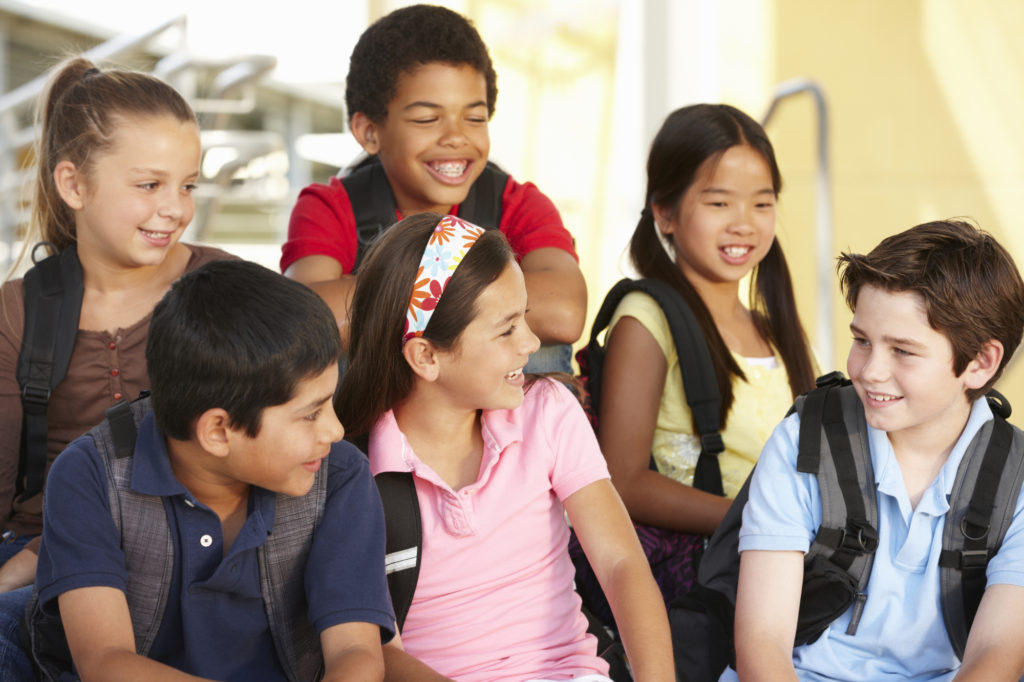
One common criticism of unschooling is its potential impact on a child’s social development. In traditional schools, children interact daily with peers from diverse backgrounds which helps them develop essential social skills such as cooperation, conflict resolution, empathy, and teamwork.
Critics argue that unschooled children may miss out on these valuable experiences since they are not regularly exposed to a large group of peers within an educational setting. However, proponents counter this argument by suggesting that there are numerous ways for unschooled children to engage with others outside of school hours.
Socialization among unschooled children can occur through participation in extracurricular activities like sports teams or clubs catering specifically to homeschoolers. Additionally, community organizations, libraries, and online platforms provide opportunities for children to connect with like-minded peers who share similar interests.
It is crucial for unschooling parents to actively seek out these socialization opportunities for their children, ensuring they have ample chances to interact and develop interpersonal skills. By doing so, unschooling can be a well-rounded educational approach that fosters both independence and healthy social relationships.
Unschooling and Technology Integration:
In today’s digital era, technology plays an integral role in education. Unschooling provides an excellent opportunity to integrate technology into the learning process by allowing children access to a wide range of resources and tools.
With the help of technology, unschooled children can explore virtual classrooms or participate in online courses tailored specifically to their interests. Online platforms offer diverse learning materials such as video tutorials, interactive games, and collaborative projects that enhance self-directed learning experiences.
However, it is important to strike a balance between screen time and hands-on experiences when incorporating technology into unschooling. Over-reliance on digital devices may hinder physical exploration or limit face-to-face interactions with peers.
Unschooling for Children with Special Needs:
Proponents of unschooling argue that this approach can be particularly beneficial for children with special needs. Traditional schools often struggle to meet the individualized requirements of these students due to limited resources or specialized support services.
Unschooling allows parents or caregivers greater control over tailoring education plans specific to their child’s abilities and challenges. Flexibility in scheduling helps accommodate therapies or medical appointments while still providing uninterrupted learning experiences at home or within the community.
However, it is essential for parents considering unschooling for their child with special needs to consult professionals specializing in their particular condition. Working closely with educators or therapists experienced in supporting learners with disabilities ensures appropriate adaptations are made while still adhering to legal requirements regarding compulsory education.
Unschooling also necessitates creating a strong support network to offer guidance and advice for parents navigating the unique challenges associated with special needs unschooling. Connecting with other families or joining online forums can provide valuable insights and resources.
Unschooling and Outdoor Education:
One of the inherent advantages of unschooling is its potential for incorporating outdoor education as a primary learning tool. Unconstrained by traditional classroom settings, unschooled children have more freedom to explore nature, engage in hands-on experiences, and develop a deep appreciation for the environment.
Outdoor activities such as hiking, gardening, wildlife observation, or camping not only promote physical well-being but also foster curiosity about science, ecology, and conservation. These real-world experiences serve as powerful teaching tools that enhance critical thinking skills while fostering an understanding of one’s place within the natural world.
However, it is crucial for parents to strike a balance between unstructured exploration and ensuring adequate academic progress. Incorporating educational goals into outdoor activities helps maintain focus on core subjects such as math or language arts while still reaping the benefits of experiential learning in nature.
Unschooling and Entrepreneurship Skills Development:
Unschooling offers a unique opportunity for children to cultivate important entrepreneurial skills such as creativity, problem-solving abilities, adaptability, self-motivation, and financial literacy. By allowing children to follow their passions and pursue projects they find meaningful, unschooled learners often develop innovative ideas from an early age.
Entrepreneurial-focused unschoolers can engage in various activities like starting small businesses (e.g., selling handmade crafts), creating digital content (e.g., YouTube channels or blogs), organizing community events (e.g., fundraisers), or even partnering with local organizations for internships or apprenticeships.
While these experiences can be highly beneficial in terms of skill development and practical knowledge acquisition outside formal schooling systems – emphasizing entrepreneurship does require careful consideration regarding balancing risk-taking opportunities with providing all-rounded exposure across different disciplines.
Unschooling and the Arts:
Unschooling provides an excellent opportunity for children to explore and develop their artistic talents. By allowing them the freedom to pursue creative endeavors, unschooled learners can engage deeply in various art forms such as music, visual arts, theater, or dance.
Music education is a prime example of how unschooling can foster artistic growth. Unconstrained by rigid curricula or standardized tests, unschooled musicians have the flexibility to experiment with different instruments, genres, or styles at their own pace. They can seek out mentors or participate in community music programs tailored specifically to their interests.
Moreover, technology integration plays a significant role in supporting artistic pursuits within unschooling. Online platforms provide access to instructional videos, virtual workshops, collaborative projects with other young artists worldwide – all enriching the learning experience while encouraging self-expression and creativity.
In conclusion, while unschooling offers many potential benefits such as personalized learning experiences and promoting independence among students – it is crucial for parents and caregivers to carefully consider its limitations regarding structure, socialization opportunities outside traditional schooling environments. Moreover ensuring access adequate resources both online offline remains paramount for successful implementation across diverse contexts

 Alternative Amie
Leave a comment