Travel-based education is an alternative approach to schooling that offers a unique and enriching experience for students. Instead of confining learning within the walls of a traditional classroom, travel-based education takes students out into the world, allowing them to explore different cultures, languages, histories, and environments.
One of the key benefits of travel-based education is its ability to foster experiential learning. Students have the opportunity to immerse themselves in real-world situations and gain hands-on experience that goes beyond textbooks. Whether it’s visiting historical sites, volunteering in local communities, or participating in cultural exchanges, these experiences help students develop a deeper understanding and appreciation for diverse perspectives.
In addition to academic growth, travel-based education also nurtures personal development. The challenges faced while traveling – such as adapting to new environments or overcoming language barriers – encourage self-confidence and resilience. Students learn valuable life skills such as problem-solving, communication, independence, and flexibility.
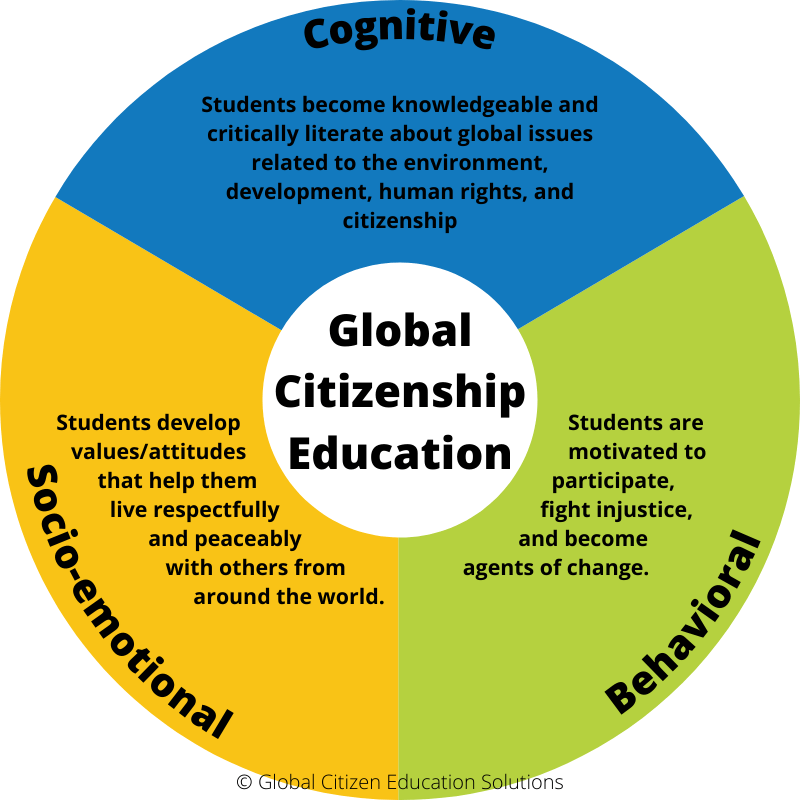
Moreover, travel-based education encourages global citizenship. By exposing students to different cultures and societies around the world, it promotes tolerance, empathy, and respect for diversity. This exposure helps break down stereotypes and fosters a sense of interconnectedness among individuals from various backgrounds.
While many may assume that travel-based education interferes with traditional academic curriculum requirements; however, this form of schooling can be easily integrated into existing educational frameworks by incorporating project-based assignments or designing courses around specific destinations.
Overall, travel-based education offers a holistic approach that combines academics with personal growth opportunities through immersive experiences. It empowers students with essential skills necessary for success in today’s globalized world while fostering an appreciation for cultural diversity.
 Alternative Amie
Leave a comment