The Impact of Sleep Patterns on Brain Function
Sleep is an essential component of human functioning, particularly when it comes to brain health and cognitive abilities. The quality and quantity of sleep can have a profound impact on various aspects of brain function, including memory, learning, attention, and creativity. In the context of alternative education programs, understanding the relationship between sleep patterns and brain function becomes even more critical as educators strive to create optimal learning environments for students.
One key area where sleep patterns significantly influence brain function is memory consolidation. During sleep, the brain undergoes a process called memory consolidation, where it strengthens newly acquired information and integrates it with existing knowledge. This process is vital for long-term retention and recall of information.
Several studies have shown that individuals who experience disrupted or inadequate sleep often exhibit difficulties in forming new memories or retrieving previously learned information. This can be particularly problematic for students in alternative education settings who may already face unique challenges related to their learning styles or educational backgrounds.
When students do not get enough sleep or experience poor-quality sleep due to irregular schedules or other factors, they are likely to struggle with attention span and concentration during class time. Lack of focus impairs their ability to absorb new material effectively and engage in classroom activities fully.
Furthermore, research has shown that adequate sleep plays a crucial role in enhancing creative thinking skills. During the REM (rapid eye movement) stage of sleep – when most dreaming occurs – the brain engages in associative thinking processes that can lead to innovative ideas and solutions. Without sufficient REM sleep, individuals may find it difficult to think outside the box or generate novel ideas.
In alternative education programs that prioritize creativity as part of their curriculum design, ensuring students receive enough restful REM sleep becomes paramount. Incorporating strategies such as flexible scheduling or providing opportunities for napping during breaks can help optimize students’ cognitive functioning by allowing them to access their creative potential.
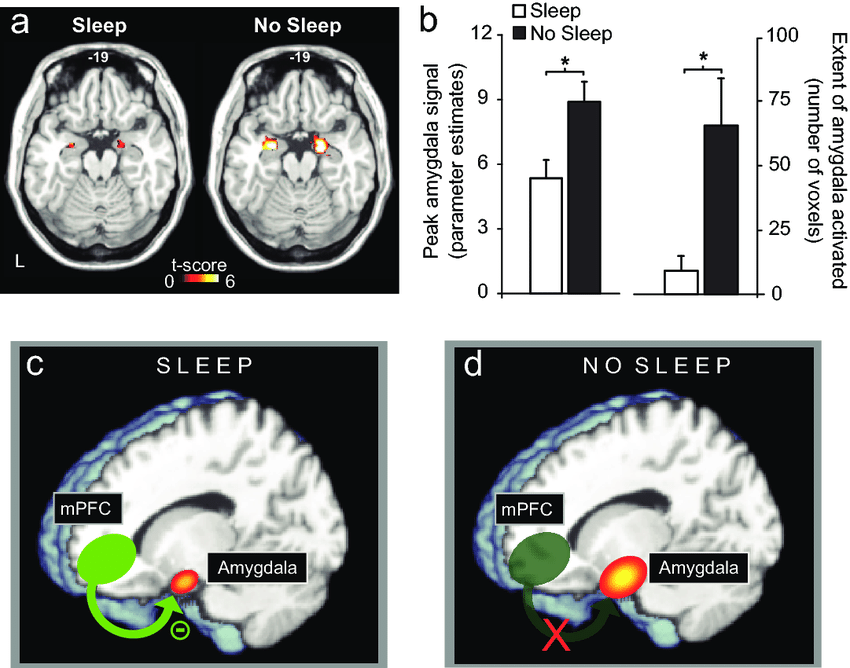
Apart from memory consolidation and creativity enhancement, another crucial aspect of sleep’s impact on brain function is its role in regulating emotions and stress levels. Sleep deprivation or poor-quality sleep has been linked to increased levels of stress, anxiety, and emotional instability.
For students in alternative education settings who may already face various emotional challenges or have experienced trauma, ensuring proper sleep hygiene becomes even more important. By promoting healthy sleep habits and creating a supportive environment that accommodates individual needs, educators can help mitigate the negative effects of stress on learning and memory.
It is also worth noting that the timing of sleep can significantly influence brain function. The human body follows a natural circadian rhythm that regulates our sleep-wake cycles. Disrupting this rhythm by irregular sleeping patterns or exposure to artificial light at night can have detrimental effects on overall brain health.
In alternative education programs where flexibility in scheduling may be more feasible than traditional schools, it is essential to consider aligning school hours with students’ natural circadian rhythms whenever possible. This could involve allowing for later start times or adopting flexible attendance policies that accommodate individual variations in optimal wake-up and bedtimes.
In conclusion, understanding the impact of sleep patterns on brain function is crucial for educators in alternative education settings who seek to create optimal learning environments for their students. By prioritizing adequate and quality sleep through strategies such as flexible scheduling, supporting healthy sleeping habits, and promoting an emotionally nurturing environment, educators can enhance memory retention, creativity, attention span, and overall cognitive abilities among their students. Ultimately, incorporating brain-based approaches to address sleep-related issues will contribute to improved educational outcomes and better support the diverse needs of learners in alternative schooling programs.
 Alternative Amie
Leave a comment