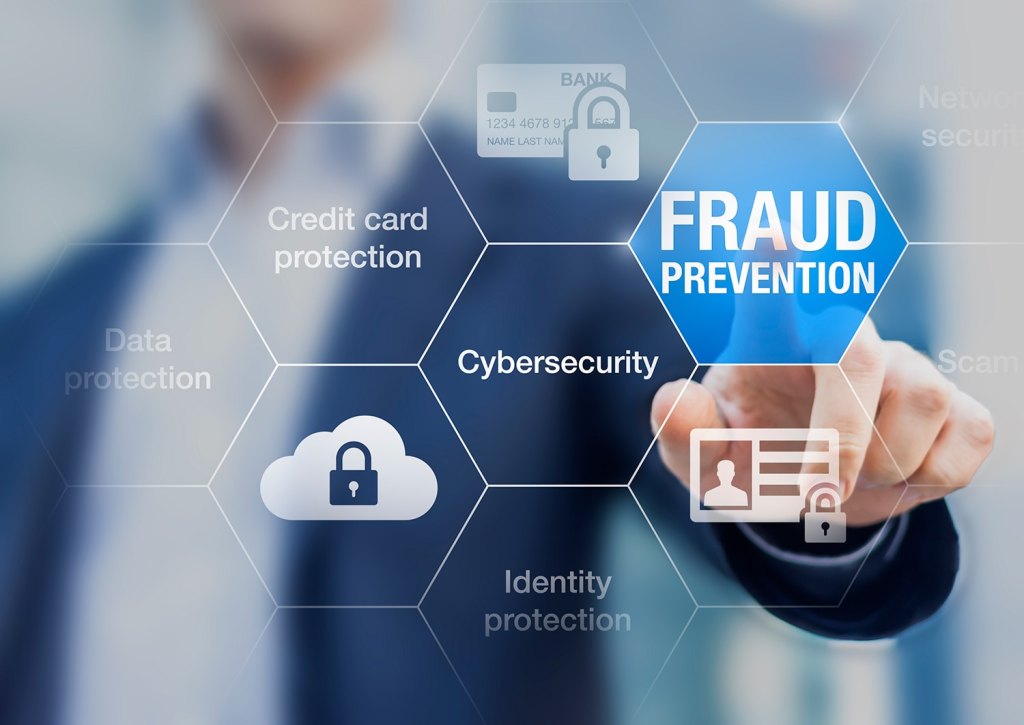
Financial Scams and Fraud Prevention Tips
In today’s digital age, financial scams and fraud have become increasingly common. With scammers evolving their tactics to exploit unsuspecting individuals, it is essential to stay informed about the various types of scams circulating and how to protect yourself from falling victim. In this article, we will discuss some prevalent financial scams and provide you with valuable tips for preventing fraud.
1. Phishing Scams:
Phishing scams involve fraudulent attempts to obtain sensitive information such as usernames, passwords, credit card details, or social security numbers by posing as a trustworthy entity via email or phone call. These messages often trick individuals into clicking on malicious links or providing personal information under false pretenses.
To avoid falling victim to phishing scams:
– Be cautious while opening emails from unfamiliar senders.
– Double-check the sender’s email address for any inconsistencies.
– Avoid clicking on suspicious links in emails or messages.
– Don’t share personal information unless you are certain about the recipient’s identity.
2. Identity Theft:
Identity theft occurs when someone steals your personal information (such as your name, Social Security number, or bank account details) without authorization for fraudulent purposes. Armed with this stolen data, criminals can open accounts in your name, make unauthorized purchases using your credit cards, or even file fake tax returns.
To safeguard against identity theft:
– Regularly monitor your bank statements and credit reports for any discrepancies.
– Shred important documents before disposing of them.
– Use strong passwords across all online platforms.
– Avoid sharing personal information over insecure channels.
3. Investment Scams:
Investment scams aim to deceive individuals by promising high returns on investments that sound too good to be true. These schemes often target inexperienced investors who may not have sufficient knowledge about investment practices.
To steer clear of investment scams:
– Research thoroughly before investing in any opportunity.
– Consult a licensed financial advisor if needed.
– Be skeptical of aggressive sales tactics and high-pressure offers.
– Beware of investments that guarantee unusually high returns.
4. Online Shopping Scams:
Online shopping scams involve the sale of counterfeit or non-existent goods, where scammers trick buyers into paying for items they will never receive. These scams are particularly prevalent on online marketplaces and auction sites.
To avoid online shopping scams:
– Purchase from reputable sellers with positive reviews.
– Use secure payment methods, such as credit cards or PayPal, that provide buyer protection.
– Be cautious when dealing with overseas sellers or extremely low-priced items.
– Research the website’s legitimacy before making a purchase.
5. Lottery and Sweepstakes Scams:
Lottery and sweepstakes scams typically involve individuals receiving notifications claiming that they have won a large sum of money or valuable prizes. However, to claim their winnings, victims are asked to pay fees or provide personal information upfront.
To protect yourself from lottery and sweepstakes scams:
– Remember that you cannot win a contest you did not enter.
– Be suspicious of requests for money in exchange for prize claims.
– Never share your financial information over the phone unless you initiated the call.
– Consult official sources to verify any winning notifications received.
By staying vigilant and informed about these common financial scams, you can better protect yourself from falling victim to fraudulent activities. Remember to trust your instincts and always double-check before sharing personal information or making financial transactions online. If something seems too good to be true, it probably is!
 Alternative Amie
Leave a comment