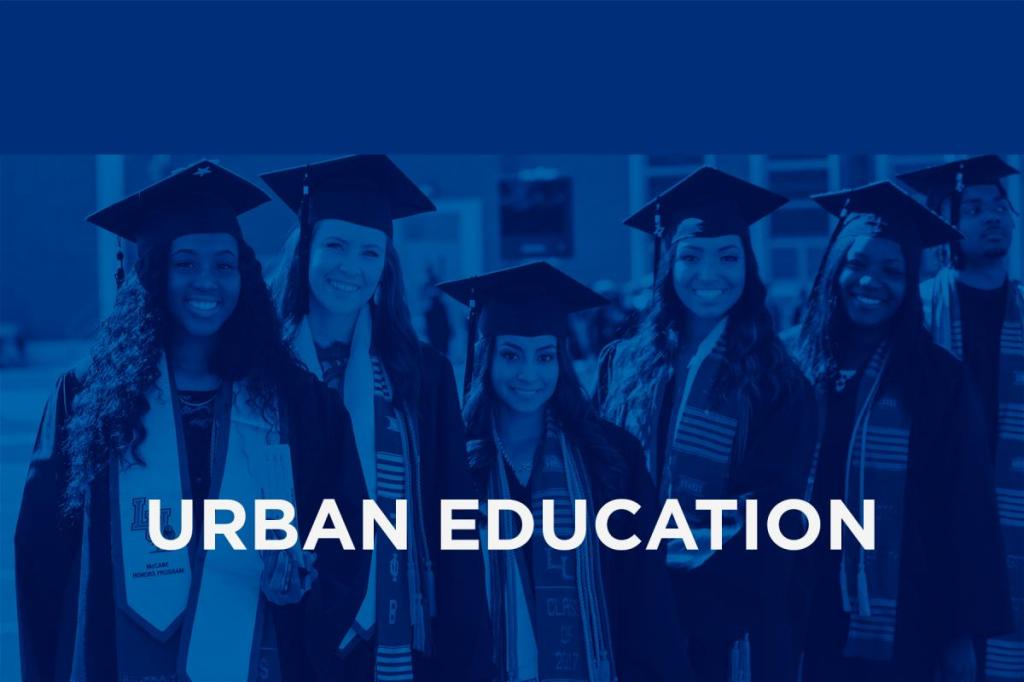
Urban Education: Nurturing Bright Minds in the City
In today’s fast-paced and ever-evolving world, education plays a critical role in shaping the future of our society. While traditional schools have been the norm for many years, alternative approaches to education are gaining popularity, particularly in urban areas. Urban education focuses on providing quality and innovative learning experiences that meet the unique needs of students living in cities. In this article, we will explore some DIY-style strategies that can be employed to enhance urban education.
1. Community Partnerships:
One key aspect of urban education is fostering collaboration between schools and community organizations. By partnering with local businesses, non-profit organizations, and universities, schools can provide students with real-world experiences and access to resources beyond the classroom walls. For example, arranging internships or mentorship programs allows students to engage with professionals who can share their expertise.
2. Project-Based Learning:
Project-based learning (PBL) is an effective approach that encourages active engagement and problem-solving skills among students. It involves designing projects around real-world problems where students take ownership of their learning by researching, planning, executing projects collaboratively while applying knowledge gained from various disciplines.
3. Technology Integration:
Embracing technology is crucial for modern-day education regardless of location; however, it becomes even more relevant in urban settings due to limited physical space constraints or resource availability. Schools should aim to provide adequate technological infrastructure such as computer labs or utilizing mobile devices like tablets for interactive lessons or online research opportunities.
4. Cultural Diversity:
Urban areas are often rich in cultural diversity which should be celebrated within educational environments. Incorporating culturally responsive teaching practices ensures all students feel valued and represented within the curriculum while promoting mutual respect among peers from different backgrounds.
5. Flexible Scheduling:
Flexible scheduling is essential in urban education as it allows educators to address individual student needs effectively while accommodating external factors prevalent in city life such as commuting challenges or part-time work. Implementing flexible schedules can include staggered start times, evening classes, or online learning options.
6. Outdoor and Experiential Learning:
Urban education should not be limited to the confines of a classroom. Encouraging outdoor and experiential learning experiences provides students with opportunities for hands-on exploration of their city’s unique resources and cultural landmarks. Field trips, nature walks, or community service projects help foster a deeper connection between students and their urban environment.
7. Family Engagement:
Strong partnerships with families are vital in supporting student success in urban education. Schools can organize regular family workshops, parent-teacher conferences, or involve parents as volunteers within the school community to create meaningful connections between home and school life.
By implementing these DIY-style strategies in urban education settings, we can create inclusive and engaging learning environments that cater to the diverse needs of students living in cities. Education is the key to unlocking endless possibilities for young minds regardless of where they reside – let’s nurture them together!
 Alternative Amie
Leave a comment