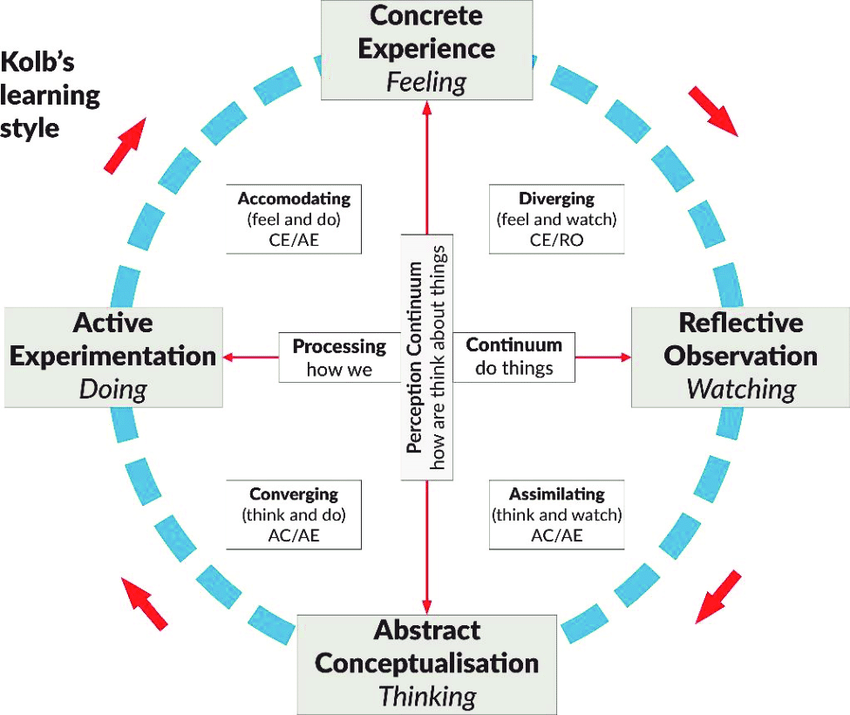
Experiential learning is an educational approach that focuses on hands-on experiences, allowing students to actively engage in the learning process. It goes beyond traditional methods of teaching and encourages students to explore, experiment, and reflect on their own experiences. This approach has gained popularity in recent years due to its numerous benefits for students. In this article, we will discuss the top 10 reasons why experiential learning is a valuable method of education.
1. Active Engagement: Experiential learning promotes active engagement among students by providing them with real-life situations to solve or explore. Whether it’s through field trips, internships, or hands-on projects, this approach ensures that learners are fully engaged in their education.
2. Practical Application: One of the key advantages of experiential learning is its emphasis on practical application. Students have the opportunity to apply theoretical knowledge in real-world scenarios, helping them grasp concepts more effectively and understand their relevance.
3. Critical Thinking Skills: By engaging in problem-solving activities and challenging tasks, experiential learning enhances critical thinking skills among students. They learn how to analyze situations from different angles and develop creative solutions.
4. Collaboration and Communication: Experiential learning often involves group work or collaborative projects where students must communicate effectively with their peers. This fosters teamwork skills and allows individuals to learn from one another’s perspectives.
5. Motivation and Engagement: Traditional classroom settings can sometimes lack excitement for certain students who may struggle with passive listening or memorization-based techniques. Experiential learning brings freshness into education by making it fun, interactive, and relevant – thus increasing student motivation and engagement levels.
6. Long-Term Retention: Studies have shown that when learners actively participate in their own education through experiential methods, they retain information better compared to passive forms of instruction like lectures or reading alone.
7. Emotional Intelligence Development: Experiential learning provides opportunities for students to explore and understand their emotions in different contexts. It helps them develop emotional intelligence, empathy, and self-awareness – all crucial skills that contribute to personal growth and success.
8. Career Preparation: Experiential learning is often tailored towards preparing students for the professional world. Through internships, apprenticeships, or job shadowing experiences, learners gain practical skills and insights into various industries.
9. Personal Growth: As experiential learning encourages self-reflection and exploration of one’s strengths and weaknesses, it promotes personal growth among students. They become more aware of their abilities, interests, and passions – a valuable asset when making important life decisions.
10. Real-World Connections: Experiential learning bridges the gap between classroom knowledge and real-world applications. It allows students to make connections between academic concepts and their practical significance – giving them a deeper understanding of the subject matter.
In conclusion, experiential learning has proven to be an effective educational approach with numerous benefits for students. It enhances critical thinking skills, promotes collaboration and communication abilities while fostering motivation and engagement in the learning process. With its emphasis on practical application and real-world connections, this method prepares individuals both academically and professionally while facilitating personal growth along the way. Incorporating experiential learning techniques in education can truly transform traditional schooling into a dynamic experience that equips students with essential lifelong skills.
 Alternative Amie
Leave a comment