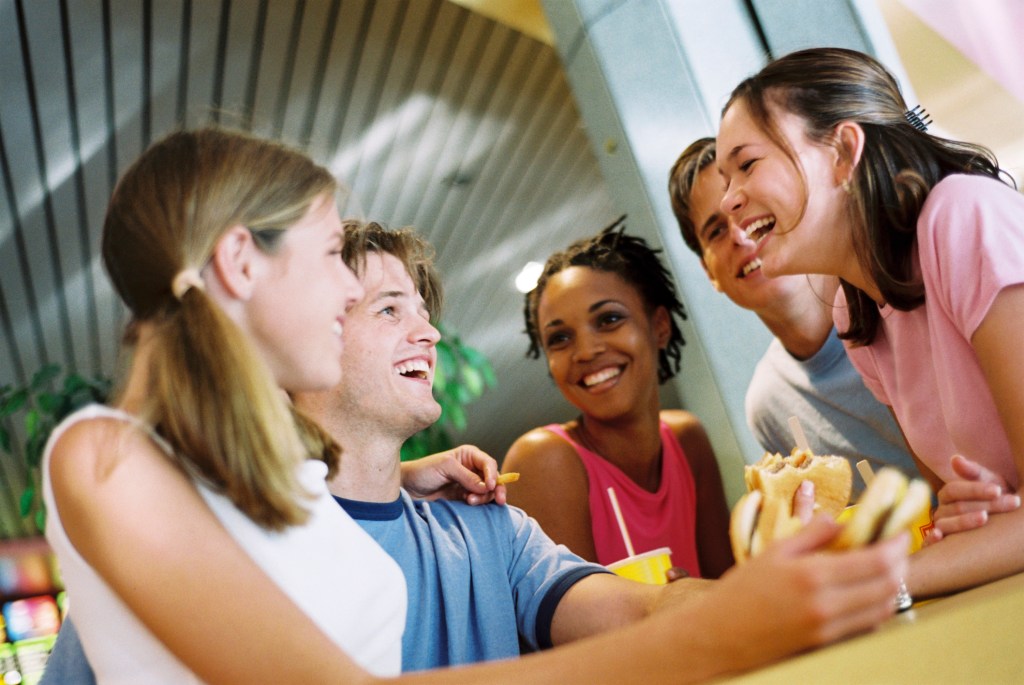
Unschooling and Its Impact on Socialization
Unschooling is an alternative educational approach that emphasizes child-led learning, self-direction, and the pursuit of individual interests. Unlike traditional schooling methods, unschooling allows children to learn at their own pace and in ways that are meaningful to them. One common concern about unschooling is how it impacts a child’s socialization skills. In this article, we will explore the concept of unschooling and its impact on socialization.
Traditional schools provide opportunities for children to interact with peers through structured activities such as group projects or recess. However, these interactions are often limited to same-aged peers within a controlled environment. Unschoolers argue that this type of socialization does not adequately prepare children for the real world where they will need to interact with people of different ages and backgrounds.
In contrast, unschooled children have the opportunity to engage in authentic social interactions with individuals from various age groups and backgrounds. They can participate in community events, join clubs or organizations based on their interests, collaborate with mentors or experts in specific fields, and even engage in apprenticeships or internships. These experiences allow unschooled children to develop strong communication skills while also fostering empathy and understanding towards others.
Furthermore, because unschooled children have more control over their time and activities than traditional schooled children do, they often have more opportunities for unstructured playtime. Play is essential for the development of social skills as it helps children learn how to cooperate, negotiate conflicts, share resources, take turns, listen actively, express themselves verbally or non-verbally – all valuable skills necessary for successful interpersonal relationships.
Through play experiences with siblings or friends from diverse backgrounds who may attend school or be enrolled in different educational programs (such as homeschooling), unschooled children acquire invaluable life lessons like problem-solving techniques through trial-and-error strategies without adult intervention – which ultimately nurtures independence too!
Another aspect of unschooling that contributes to socialization is its emphasis on community involvement. Unschooling families often actively seek out opportunities for their children to engage with the local community. This may involve volunteering, participating in community events or organizations, joining sports teams or clubs, and even collaborating with local businesses or nonprofits.
By engaging in these activities, unschooled children develop a sense of belonging and responsibility towards their communities. They learn how to contribute positively and make a difference in the world around them. These experiences also provide opportunities for children to interact with individuals from different backgrounds and age groups, further enhancing their social skills.
It’s worth mentioning that critics argue that unschooled children may not be exposed to diverse perspectives or challenging viewpoints as they would be in a traditional school setting. However, proponents of unschooling believe that by allowing children to pursue their interests freely, they are more likely to engage deeply with subjects they are passionate about – which can lead them naturally towards seeking out new information sources and exploring multiple perspectives.
In conclusion, while some may have concerns about the impact of unschooling on socialization skills, evidence suggests that this alternative educational approach provides ample opportunities for authentic social interactions and the development of essential interpersonal skills. Through unstructured playtime, community involvement, exposure to diverse age groups and backgrounds, unschooled children gain valuable life experiences that foster strong communication abilities and empathy towards others. So if you’re considering unschooling your child but worried about their socialization skills – rest assured that it is definitely possible for them to develop into well-rounded individuals through this unique educational approach!
 Alternative Amie
Leave a comment