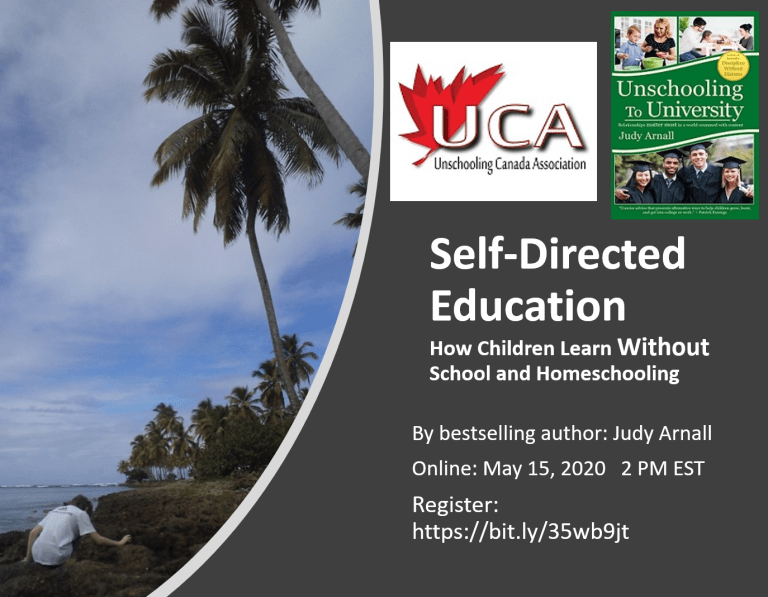
In recent years, there has been a growing trend of unschooling, where parents choose to let their children learn outside of traditional school environments. This alternative approach to education allows students to explore their interests and passions independently, without following a set curriculum. While unschooling can be incredibly beneficial for personal growth and creativity, many parents may wonder how it prepares their teens for college and career readiness. In this post, we will discuss some strategies that can help unschooled teens successfully transition into higher education or the workforce.
1. Self-directed learning: Unschooling encourages teenagers to take charge of their own education. By allowing them to pursue topics they are passionate about, it fosters independence and self-motivation – skills that are highly valued in college and the workplace.
2. Building strong foundations: Although unschooled teens may not follow a structured curriculum, it is important for them to acquire foundational knowledge in subjects like math, science, English, history, and social sciences. Parents can provide resources such as textbooks or online courses tailored to their child’s interests.
3. Pursuing extracurricular activities: Unschooled teens have ample time to engage in extracurricular activities that align with their passions or potential career paths. Whether it’s volunteering at local organizations or participating in community projects related to their interests, these experiences enrich both personal development and college applications.
4. Dual enrollment programs: Many colleges offer dual enrollment programs that allow high school students – including those who are homeschooled – to take college-level courses while still enrolled in high school. This enables unschooled teens to gain valuable credits that can be transferred once they enter college.
5. Apprenticeships/internships: For teenagers considering entering the workforce directly after high school instead of pursuing higher education immediately, apprenticeships or internships provide invaluable hands-on experience and networking opportunities.
6. Developing communication skills: Communication is essential for success in both college and the workplace. Unschooling parents can encourage their teens to participate in debates, join public speaking clubs, or take writing workshops to enhance their communication skills.
7. Standardized test preparation: While unschooled teens may not have followed a traditional curriculum, they may still need to take standardized tests such as the SAT or ACT for college admissions. Parents can support their teenagers by providing study materials or enrolling them in test preparation courses.
8. Online resources: The internet is an incredible resource for unschooled teens seeking knowledge and skill-building opportunities. Online platforms offer a plethora of courses, tutorials, and forums that facilitate learning beyond the confines of traditional classrooms.
9. Building a portfolio: Rather than relying solely on grades and transcripts, unschooled teens can create portfolios showcasing their projects, research papers, artwork, or any other relevant achievements. These portfolios serve as tangible evidence of their abilities and interests when applying to colleges or jobs.
10. Seeking guidance from mentors: Unschooled teens can benefit greatly from having mentors who possess expertise in areas they are interested in pursuing further. Mentors provide guidance, advice, and connections that open doors to various opportunities.
11. Networking events and conferences: Attending networking events or conferences related to fields of interest allows unschoolers to connect with professionals who share similar passions. This exposure helps them gain insight into potential career paths while expanding their network of contacts.
12. College application assistance: Applying for college might seem daunting without formal transcripts or GPA scores; however, there are alternative ways for unschooled teens to present themselves effectively on applications through personal essays that highlight their unique educational journeys and experiences.
In conclusion, while unschooling may differ from traditional schooling methods, it does not hinder college and career readiness for teenagers if approached strategically. By fostering self-directed learning, building strong foundations across subjects through tailored resources or dual enrollment programs, engaging in extracurricular activities, and seeking mentorship, unschooled teens can successfully navigate the transition to higher education or the workforce. With careful planning, open-mindedness, and a supportive network, these students have ample opportunities to thrive in their college and career paths.
 Alternative Amie
Leave a comment