Nature-Based Learning: Unlocking the Potential of Alternative Education
In recent years, alternative education methods have gained popularity as parents and educators seek to provide a more holistic and experiential approach to learning. One such method that has emerged is nature-based learning, which emphasizes outdoor experiences and environmental education as a means of fostering curiosity, creativity, and critical thinking among students. In this article, we will explore the benefits of nature-based learning and how it can be incorporated into alternative schooling.
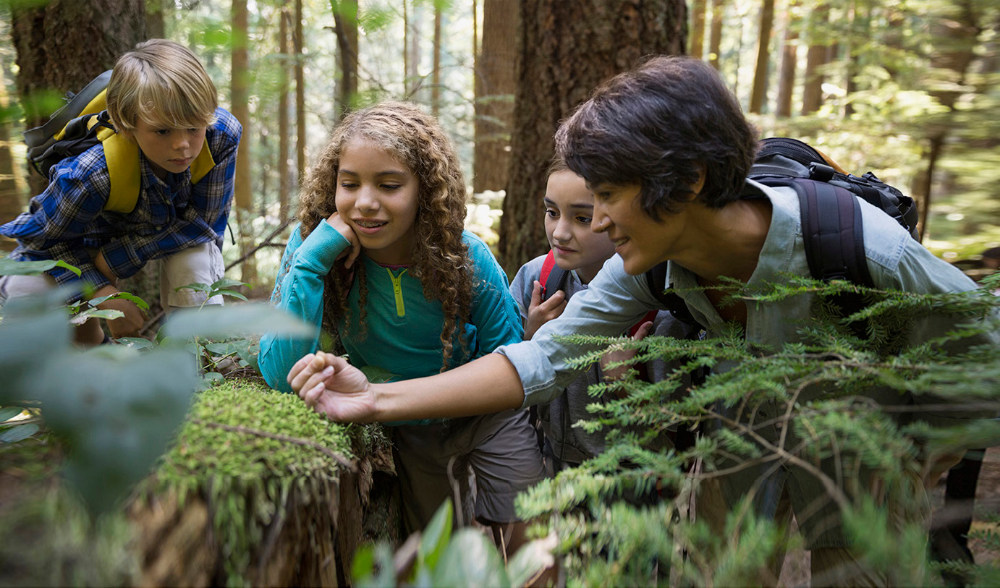
Nature-based learning involves using natural environments as classrooms where children can engage in hands-on activities that promote observation, exploration, problem-solving, and teamwork. Unlike traditional classroom settings with desks and whiteboards, nature provides an ever-changing backdrop for learning that stimulates all senses.
One key advantage of nature-based learning is its ability to foster a deep connection between children and the natural world. Through repeated exposure to outdoor spaces like forests, parks, or gardens, students develop an appreciation for their surroundings while also developing a sense of responsibility towards the environment. This connection not only enhances their understanding of ecological systems but also promotes empathy towards living organisms.
Being immersed in nature offers endless opportunities for sensory experiences. Students can touch different textures such as leaves or rocks; listen to bird songs or rustling leaves; smell fragrant flowers or fresh air; taste herbs from an organic garden; and observe various colors found in plants or insects. Such multisensory experiences deepen engagement with the subject matter being taught while stimulating cognitive development.
Nature-based learning also encourages active exploration rather than passive absorption of information. Instead of simply reading about ecosystems in textbooks or watching videos online, students can actively investigate habitats firsthand by identifying plants and animals they encounter during field trips or collaborating on research projects related to local biodiversity. These direct experiences create lasting memories that solidify knowledge acquisition.
The inherent unpredictability of nature challenges students’ problem-solving skills by presenting them with real-world scenarios outside their comfort zones. Whether it’s crossing a stream, building a shelter, or identifying edible plants, students are forced to think critically and adapt their strategies based on the resources available. This hands-on approach helps develop resilience and resourcefulness while instilling confidence in their ability to overcome obstacles.
Nature-based learning also promotes physical activity and overall well-being among students. Spending time outdoors engages children in active play, which is essential for their healthy development. Whether climbing trees, running through fields, or hiking along trails, these activities improve motor skills, balance, coordination, and spatial awareness. Additionally, exposure to natural light boosts vitamin D levels while reducing stress and anxiety.
Integrating nature-based learning into alternative schooling can be achieved through various approaches. One option is establishing outdoor classrooms where lessons are conducted in designated outdoor spaces equipped with seating areas and materials suitable for different subjects. These environments can include gardens for science lessons or open spaces for art classes.
Another approach involves taking regular field trips to local parks or nature reserves where students can learn about the environment first-hand from experts such as park rangers or environmental educators. Such excursions provide opportunities for interactive experiences like bird watching sessions or plant identification walks that connect classroom theories with real-life observations.
For schools without access to extensive natural landscapes nearby, partnerships with community organizations can prove valuable. Collaborating with local farms allows students to engage in agricultural practices while understanding concepts of sustainability and food production systems. Similarly, working with wildlife rehabilitation centers exposes children to ecological conservation efforts by caring for injured animals before releasing them back into the wild.
To enhance nature-based learning experiences further, technology tools can be integrated thoughtfully without overshadowing the importance of direct engagement with nature itself. Students could utilize digital cameras or mobile devices equipped with relevant applications like bird identification guides or plant recognition software during field trips as an extension of their observational skills.
In conclusion, nature-based learning offers numerous benefits that align perfectly with the goals of alternative education methods by fostering curiosity, creativity, critical thinking, and a deep appreciation for the natural world. By immersing students in outdoor environments and providing hands-on experiences, alternative schools can create a unique educational journey that nurtures well-rounded individuals who are connected to their surroundings and equipped with the skills needed to thrive in an ever-changing world.
 Alternative Amie
Leave a comment