Experiential Learning for Special Needs Students: A Path to Success
Education is a fundamental right, and it should be accessible to all students, including those with special needs. Experiential learning has emerged as a valuable approach that caters to the unique requirements of these students. By focusing on hands-on experiences and real-world applications, experiential learning provides an inclusive and dynamic educational environment where special needs students can thrive.
At its core, experiential learning encourages active engagement and participation. Rather than relying solely on traditional teaching methods like lectures or textbooks, this approach emphasizes practical exercises and interactive activities. For special needs students who may struggle with conventional classroom settings, experiential learning offers an alternative path that taps into their strengths and interests.
One significant advantage of experiential learning for special needs students is its ability to foster independence. Through real-life experiences, they gain practical skills relevant to their daily lives. For example, a student with autism might participate in a simulated grocery shopping activity where they learn how to identify items on a list, calculate prices, and interact with store personnel. These hands-on encounters empower them by enabling them to apply what they have learned in meaningful ways.
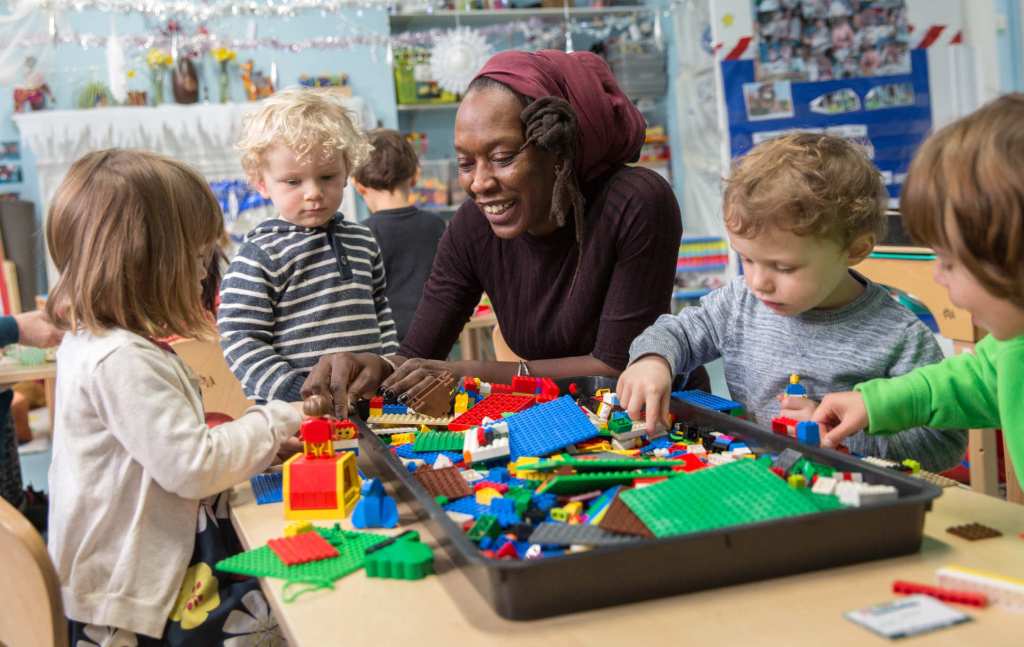
Furthermore, experiential learning promotes social interaction among special needs students. Collaborative projects or group activities allow them to develop important interpersonal skills such as communication, teamwork, and problem-solving abilities. In addition to the academic benefits gained from these interactions, the social aspect plays a crucial role in building self-confidence and fostering connections within their peer group.
Inclusive classrooms are essential for promoting empathy and understanding among all students. Experiential learning actively encourages inclusion by creating opportunities for mainstream classmates to engage with their special needs peers constructively. By working together on shared projects or participating in joint activities designed around specific themes or topics of interest (e.g., environmental conservation), barriers are broken down while mutual respect flourishes.
Finally, one of the most significant aspects of experiential learning is its ability to tap into individual strengths and interests. Special needs students often possess unique talents that may go unnoticed in a traditional classroom setting. Experiential learning provides them with an environment where their abilities can be identified, nurtured, and celebrated. Whether it’s through art, music, technology, or outdoor exploration, these students have the opportunity to shine and develop a sense of purpose.
In conclusion, experiential learning holds immense potential for special needs students. By embracing this approach, educators can create inclusive classrooms that cater to diverse learning styles and abilities. The hands-on nature of experiential learning empowers special needs students by fostering independence and enhancing social skills. It also promotes inclusion among mainstream classmates while celebrating each student’s individual strengths and interests. Ultimately, adopting experiential learning methods ensures that all students have equal access to education while preparing them for success in both academics and life beyond the classroom walls.
 Alternative Amie
Leave a comment