Creating Effective Mentorship Structures within Small-Scale or Independent Alternative Schools
In the world of alternative education, mentorship plays a vital role in facilitating growth and development among students. Unlike traditional schools, small-scale or independent alternative schools often have more flexibility to design mentorship structures that cater to the unique needs of their learners. In this article, we will explore some effective ways to create mentorship structures within these educational settings.
1. Personalized Matching: One key aspect of an effective mentorship structure is ensuring compatibility between mentors and mentees. Small-scale alternative schools can leverage their close-knit community by carefully matching mentors with students based on shared interests, personalities, or goals. This personalized approach fosters trust and makes it easier for mentees to open up about their challenges and aspirations.
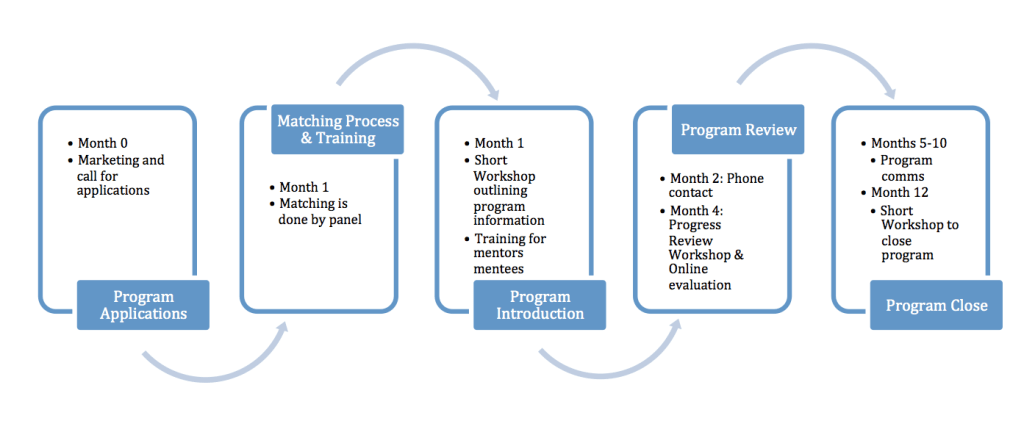
2. Regular Check-ins: Consistent communication is essential for successful mentoring relationships. Establishing a schedule for regular check-ins ensures that both mentors and mentees have dedicated time together to discuss progress, address concerns, set goals, and celebrate achievements. These check-ins can take various forms such as one-on-one meetings, group sessions, or even virtual discussions depending on the school’s resources.
3. Structured Learning Activities: Mentorships should go beyond casual conversations; they should provide meaningful learning experiences for both mentors and mentees alike. Small-scale alternative schools can organize structured activities like workshops, seminars, or collaborative projects where mentors share their expertise with students while fostering skill development and critical thinking.
4. Peer Mentoring Opportunities: In addition to adult mentors, peer-to-peer mentorships can also be highly beneficial in small-scale alternative schools. Students who have excelled in specific areas can serve as mentors themselves by sharing their knowledge with others who may need support in those particular domains. This not only strengthens bonds within the student community but also encourages skill-sharing and collaboration.
5. Goal Setting and Reflection: Mentorship provides an excellent platform for setting personal and academic goals. Encourage mentors to work with their mentees in setting realistic objectives, breaking them down into actionable steps, and monitoring progress along the way. Regular reflection exercises can help mentees assess their growth, identify areas for improvement, and celebrate achievements.
6. Supportive Network: Effective mentorship structures within small-scale alternative schools should extend beyond one-on-one relationships. Creating a supportive network where mentors connect with each other allows for collaboration, idea-sharing, and problem-solving. This network can be facilitated through regular meetings or an online platform that enables mentors to communicate and learn from one another’s experiences.
7. Professional Development Opportunities: To ensure that mentors are equipped with the necessary skills and knowledge to support their mentees effectively, small-scale alternative schools should invest in ongoing professional development opportunities for their mentorship staff. These could include workshops on active listening techniques, effective communication strategies, conflict resolution skills, or any other relevant topics identified by the school community.
8. Evaluation and Feedback: Lastly but importantly, it is essential to have a system in place for evaluating the effectiveness of the mentorship program as well as gathering feedback from all stakeholders involved – mentors, mentees, parents/guardians, and school administrators. Regular assessment helps identify areas of improvement while feedback ensures that everyone’s voices are heard in shaping a better mentorship structure.
In conclusion, creating effective mentorship structures within small-scale or independent alternative schools requires careful consideration of personalized matching between mentors and mentees; regular check-ins; structured learning activities; peer mentoring opportunities; goal setting and reflection exercises; a supportive network among mentors; ongoing professional development opportunities; as well as evaluation processes accompanied by feedback mechanisms. By implementing these strategies thoughtfully while considering the unique needs of each student population within these educational settings, alternative schools can cultivate nurturing environments where students thrive under the guidance of dedicated mentors who genuinely care about their holistic growth and success.
 Alternative Amie
Leave a comment