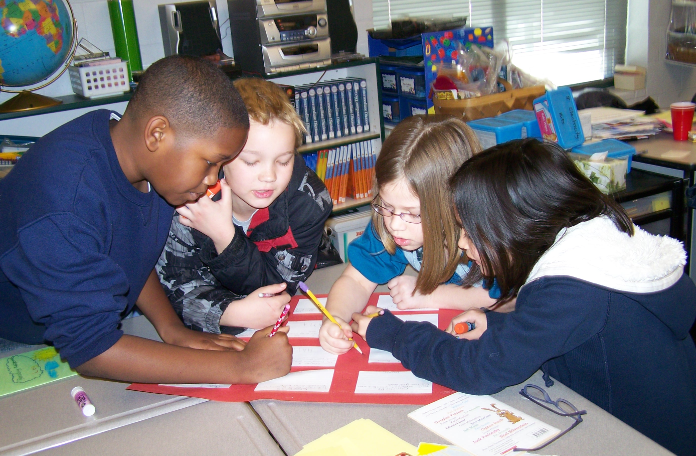
Cooperative Learning Groups: Enhancing Education through Collaboration
In traditional classroom settings, students often work independently, with the teacher being the sole authority figure. However, alternative schooling and education approaches recognize the importance of collaboration and cooperation among students. Cooperative learning groups offer a powerful tool to enhance education by fostering teamwork, critical thinking skills, and social development.
What are cooperative learning groups?
Cooperative learning groups involve small teams of students working together to achieve a common goal or complete a task. These groups are carefully structured to ensure that each member has an equal opportunity to contribute and learn from others. Rather than simply listening to lectures or completing assignments individually, students actively engage in discussions, problem-solving activities, and peer teaching.
Benefits of cooperative learning groups:
1. Promotes active engagement: Cooperative learning encourages active participation from every student in the group. By interacting with their peers regularly, learners become more engaged in the subject matter and develop a deeper understanding of concepts.
2. Develops communication skills: Collaborative tasks require effective communication between group members. Students learn how to express their ideas clearly and respectfully while also listening attentively to others’ perspectives.
3. Enhances critical thinking: Working as part of a team exposes students to different viewpoints and challenges them to think critically about various solutions or approaches. This process helps them develop analytical skills that can be applied across disciplines.
4. Encourages empathy and tolerance: In cooperative learning groups, individuals come from diverse backgrounds with unique strengths and weaknesses. By collaborating closely with one another on academic tasks, students develop empathy for their peers’ struggles and learn tolerance towards differences.
5. Builds social skills: Through interaction within small teams, children build essential social skills such as leadership abilities, conflict resolution strategies, negotiation techniques, patience, compromise readiness while also practicing teamwork dynamics.
Implementing cooperative learning groups:
To effectively implement cooperative learning groups within alternative schooling environments:
a) Establish clear goals for each group task, ensuring that they align with the curriculum and learning objectives.
b) Provide guidelines on how groups should function, emphasizing respect for all members’ ideas and contributions.
c) Assign roles within each group to ensure equal participation and accountability. These roles can include a leader, timekeeper, note-taker, and encourager.
d) Monitor group dynamics regularly to identify any issues or conflicts that may arise. Intervene when necessary to facilitate resolution.
In conclusion, cooperative learning groups offer numerous benefits in alternative schooling settings. By actively engaging students in collaborative tasks, these groups promote critical thinking skills, communication abilities, empathy, tolerance as well as social development. Through their participation in cooperative learning activities, learners not only enhance their academic prowess but also develop lifelong skills essential for success beyond the classroom walls.
 Alternative Amie
Leave a comment