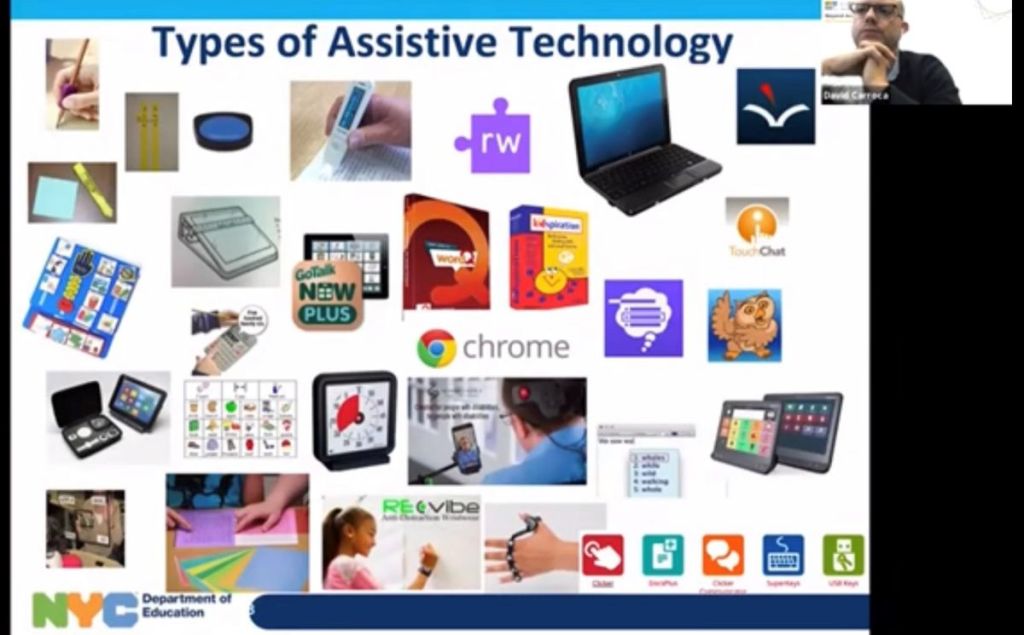
Personalized learning in blended environments is a powerful approach to education that combines the benefits of both traditional classroom instruction and online learning. By tailoring instruction to meet the unique needs and interests of each student, personalized learning fosters engagement, motivation, and academic success.
In a blended environment, students have the opportunity to work at their own pace, accessing educational materials and resources online while also receiving support from teachers and peers in face-to-face interactions. This flexibility allows students to take ownership of their learning journey and pursue topics that interest them.
One effective strategy for implementing personalized learning in a blended environment is through the use of adaptive technology. Adaptive software can assess students’ strengths and weaknesses in real-time, providing targeted feedback and personalized recommendations for further study. This not only helps students fill knowledge gaps but also enables teachers to individualize instruction based on each student’s progress.
Another key aspect of personalized learning is goal setting. In a blended environment, students can set short-term and long-term goals for their academic achievement, which are then regularly reviewed with teachers. This empowers students by giving them agency over their education while also promoting self-reflection and metacognitive skills.
Additionally, collaborative projects can be incorporated into blended classrooms as part of personalized learning initiatives. Students can work together on group projects or participate in virtual collaborations with peers from different locations or backgrounds. These experiences help develop important interpersonal skills such as communication, teamwork, problem-solving, and empathy.
Overall, personalized learning in blended environments offers immense potential for transforming education by meeting the diverse needs of every learner. By leveraging technology tools, fostering collaboration opportunities, setting goals collaboratively with students,
and providing individualized support,
teachers can create engaging,
relevant,
and meaningful educational experiences that empower learners to reach their full potential
 Alternative Amie
Leave a comment