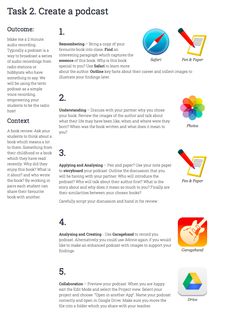
Technology integration in gifted education has revolutionized the way students learn and engage with the curriculum. By incorporating various technological tools and resources, educators can create a dynamic and personalized learning experience for gifted students, enabling them to reach their full potential. In this article, we will explore the benefits of technology integration in gifted education and provide practical tips for teachers to effectively implement it.
One of the primary advantages of using technology in gifted education is its ability to cater to individual learning needs. Every student has unique strengths, weaknesses, and interests, which can be addressed through personalized educational programs made possible by technology. Adaptive learning software allows students to progress at their own pace, ensuring that they are neither held back nor rushed ahead of their peers.
Moreover, technology provides access to an extensive range of resources beyond traditional textbooks. Online libraries, research databases, virtual field trips, and interactive simulations offer rich content that goes beyond what is available in a conventional classroom setting. Gifted students thrive on intellectual challenges and crave opportunities for exploration; integrating technology expands these possibilities exponentially.
Collaboration is another crucial aspect fostered by technology integration. Gifted learners often benefit from working with like-minded peers who share their passions or have complementary skill sets. Through online platforms such as discussion forums or video conferencing tools like Zoom or Google Meet, students can collaborate on projects irrespective of geographical boundaries.
Digital portfolios provide an excellent platform for showcasing gifted students’ work and accomplishments while also promoting self-reflection and goal-setting skills. Students can compile evidence of their achievements across various disciplines into a comprehensive portfolio that demonstrates growth over time. These portfolios enable both teachers and parents/guardians to track progress accurately while also serving as a valuable resource during college applications or future endeavors.
Virtual reality (VR) brings immersive experiences into classrooms like never before. With VR headsets or even just smartphone apps combined with simple cardboard viewers like Google Cardboard, students can explore historical landmarks, dive into underwater ecosystems, or even travel to outer space. Such experiences provide a deeper level of engagement and understanding, particularly for gifted learners who thrive on sensory-rich environments.
Incorporating coding and programming into the curriculum can also enhance problem-solving and critical thinking skills among gifted students. Coding platforms like Scratch or Python introduce students to logical reasoning, algorithmic thinking, and creative problem-solving methods. These skills are not only valuable in computer science but also applicable in various other disciplines.
Additionally, technology integration opens up opportunities for global connections and cultural exchange. Through video conferencing tools or online forums, gifted students can collaborate with peers from different parts of the world, gaining new perspectives and fostering a sense of global citizenship. This interaction helps develop cross-cultural communication skills while promoting empathy and understanding.
To effectively integrate technology into gifted education, teachers must first ensure they have access to the necessary devices and software. Schools should invest in reliable internet connectivity along with an adequate number of computers/tablets for student use. Additionally, educators need professional development opportunities to familiarize themselves with technological tools relevant to their subject area.
Once equipped with the right resources, teachers can begin integrating technology by identifying appropriate applications aligned with their curriculum objectives. Whether it’s using educational apps for skill reinforcement or incorporating multimedia presentations into lessons, technology should be purposefully integrated rather than used as a mere novelty.
Another essential aspect is ongoing assessment during technology integration in gifted education. Teachers must continuously evaluate how effectively these tools are supporting student learning outcomes. Gathering feedback from both students and parents/guardians helps identify areas that require further improvement or modifications.
Finally, it is crucial not to rely solely on technology for instruction; balance is key! While digital resources offer numerous benefits for gifted learners’ academic growth, face-to-face interactions remain invaluable for building social-emotional skills that cannot be replicated through virtual means alone.
In conclusion, technology integration has immense potential within gifted education settings by personalizing learning experiences, providing access to vast resources, fostering collaboration, and promoting global connections. When used purposefully and thoughtfully, technology can empower gifted students to thrive academically while developing essential skills for the future. By embracing technology in the classroom, educators can create an inclusive environment that nurtures the unique abilities of gifted learners and prepares them for success in a rapidly evolving world.
 Alternative Amie
Leave a comment