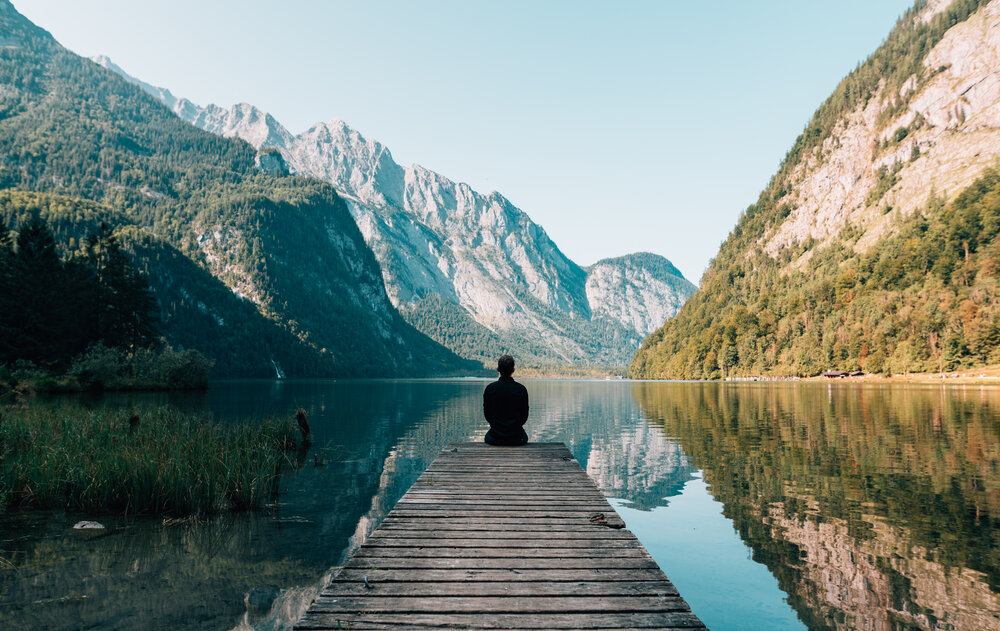
In today’s fast-paced and technology-driven world, it is easy to feel disconnected from nature. Many of us spend our days indoors, surrounded by concrete walls and fluorescent lights. We often forget the beauty and tranquility that can be found in the natural world. But what if I told you that there is a way to reconnect with nature, to immerse ourselves in its wonders? This is where nature immersion comes into play.
Nature immersion is not just about taking a walk in the park or going for a hike on the weekends. It goes beyond that; it is about truly immersing ourselves in nature – spending extended periods of time surrounded by trees, mountains, rivers, and wildlife. It is about disconnecting from our busy lives and reconnecting with the natural rhythms of the Earth.
One of the most popular ways to experience nature immersion is through wilderness retreats or eco-villages. These are places where people can live close to nature for an extended period of time – weeks or even months at a time. Here, individuals have the opportunity to learn new skills such as organic farming, permaculture design, herbal medicine making, and more.
Living in such close proximity to nature allows us to develop a deep connection with our surroundings. We begin to understand how everything is interconnected – how plants rely on insects for pollination, how animals depend on each other for survival, and how we humans are just one small part of this intricate web of life.
Aside from wilderness retreats and eco-villages, there are also alternative schools that incorporate nature immersion into their curriculum. These types of schools recognize that learning does not have to happen within four walls; it can take place outdoors too. Students may spend their days exploring forests, studying animal tracks, identifying different plant species or observing bird migrations.
By engaging students in hands-on activities like these, they develop a sense of wonderment towards the natural world around them. They learn to appreciate the beauty of a blooming flower, the sound of birdsong, and the feeling of fresh air on their skin. These experiences foster a love for nature that can last a lifetime.
Nature immersion also has numerous benefits for our mental and physical well-being. Studies have shown that spending time in nature reduces stress levels, boosts creativity, improves focus and concentration, enhances problem-solving skills, and increases overall happiness. It is no wonder why many people turn to nature as a form of therapy or escape from the demands of everyday life.
In conclusion, nature immersion is not just about being in nature; it is about immersing ourselves fully – mind, body, and soul. It offers us an opportunity to reconnect with our natural roots and gain a deeper understanding of the world around us. Whether through wilderness retreats or alternative schools that incorporate outdoor education into their curriculum, there are countless ways to experience the wonders of nature immersion. So next time you feel overwhelmed by the pressures of modern life, consider stepping outside and immersing yourself in the beauty that surrounds us all.
 Alternative Amie
Leave a comment