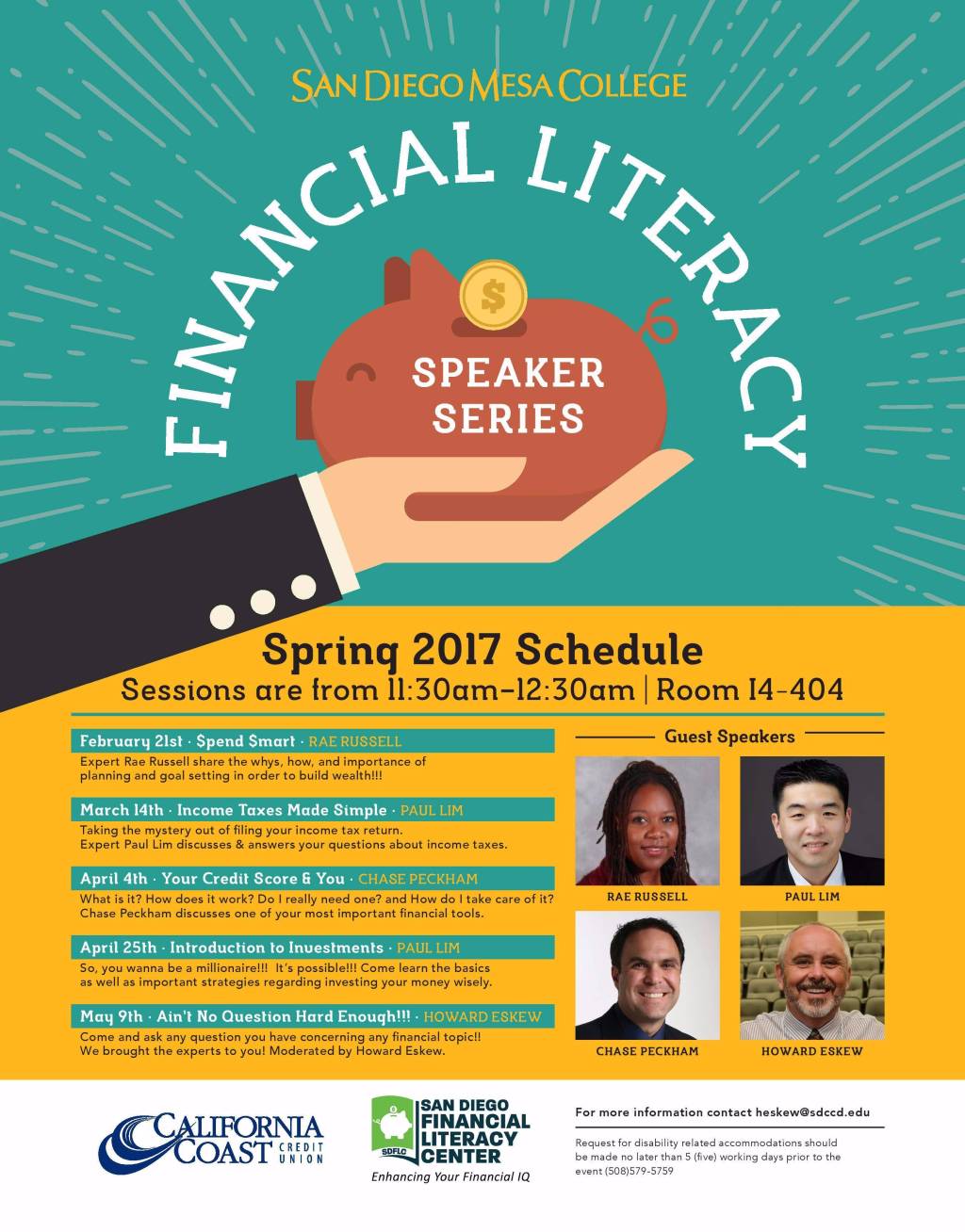
Financial literacy is a crucial life skill that every student should possess. Understanding how to manage money, make wise financial decisions, and plan for the future can have a significant impact on their lives as they transition into adulthood. However, traditional educational systems often neglect to provide comprehensive financial education to students. That’s where alternative schooling and education resources step in.
One excellent resource for financial literacy education is online platforms that offer free courses and interactive tools specifically designed for students. These platforms cover a wide range of topics, including budgeting, saving, investing, understanding credit scores, and even starting a small business. One such platform is Khan Academy which offers an extensive library of video lessons on personal finance. Students can learn at their own pace and receive immediate feedback on their progress.
Another popular option is the National Endowment for Financial Education (NEFE). NEFE provides various resources tailored to different age groups like high school students and young adults entering college or the workforce. From articles to online simulations and calculators, NEFE equips students with practical knowledge about managing money effectively.
Aside from these online platforms, many non-profit organizations focus solely on providing financial literacy education to young people. Junior Achievement USA is one such organization that partners with schools to deliver hands-on programs taught by volunteers from the business community. Through activities like creating budgets or running simulated businesses, students gain valuable insights into real-world financial scenarios.
Furthermore, some banks also offer specialized programs aimed at educating youth about finances. For instance, Wells Fargo has launched Hands on Banking®, an interactive website that offers self-paced modules covering topics like banking basics, budgeting skills, credit management strategies, and more.
In addition to these external resources provided by organizations or banks specifically dedicated to promoting financial literacy among students; it’s important not to overlook opportunities within schools themselves as well. Many alternative schools incorporate personal finance courses into their curriculum or offer elective classes focused solely on this subject matter.
Teachers who are passionate about financial literacy may also integrate it into their regular lessons across different subjects. For example, math classes can incorporate lessons on compound interest and budgeting, while social studies classes can explore the history of money or economic systems. By integrating financial education into various subjects, students receive a more holistic understanding of personal finance.
Lastly, parents play a crucial role in teaching financial literacy to their children. They can actively engage with their kids by discussing money matters at home, involving them in family budgeting decisions, and encouraging saving habits from an early age. Additionally, books and board games centered around personal finance can make learning about money fun and interactive for the whole family.
In conclusion, alternative schooling and education resources offer numerous avenues for students to gain valuable financial literacy skills. Online platforms like Khan Academy or NEFE provide comprehensive courses tailored to different age groups while organizations like Junior Achievement USA bring hands-on experiences into classrooms. Banks such as Wells Fargo also contribute by offering specialized programs aimed at educating youth about finances. Additionally, schools themselves have the opportunity to incorporate personal finance courses or integrate financial education across various subjects. Ultimately, parents should take an active role in teaching their children about money management through open discussions and engaging activities that make learning fun. With these collective efforts combined, we can better equip our students with the knowledge they need to navigate the complex world of personal finance successfully.
 Alternative Amie
Leave a comment